Ask a bag factory what certifications it holds and you will get a logo soup: ISO, BSCI, SEDEX, GRS, CE, RoHS, SGS, AEO — acronyms that mean different things, and that some suppliers display loosely. For an importer or compliance team, the real question is not whether a factory has certificates but what each one actually verifies and who requires it.
This guide maps the certifications that matter when sourcing bags, sorts them into management-system, social-audit, material and product-safety categories, and shows the specific questions that turn a wall of logos into a genuine assessment of a supplier.
Key Takeaways
- Bag certifications fall into four families — management-system (ISO), social/ethical audit (BSCI, SEDEX), material/recycled claim (GRS), and product safety (CE, RoHS, SGS) — each answering a different buyer question.
- ISO9001 certifies that quality processes are documented and followed; ISO14001 and ISO45001 cover environmental and occupational-health management.
- BSCI and SEDEX are social-compliance audits most Western retailers and importers require before onboarding a supplier.
- GRS verifies recycled content and is the certificate behind a credible sustainability claim; always check the scope and validity.
- A certificate proves a moment in time: verify the issuing body, scope, and expiry, and request the current report rather than a framed photo.
- Kingsons holds ISO9001, ISO14001, ISO45001, BSCI, SEDEX and GRS, with product-level CE, FCC, RoHS and SGS and a passed Walmart factory audit.
The Four Families of Bag Certification
Certifications get confusing because they answer different questions. Sorting them into four families makes any supplier’s claim easier to read.
| Family | Examples | Question It Answers |
|---|---|---|
| Management system | ISO9001, ISO14001, ISO45001 | Are processes documented and consistently followed? |
| Social / ethical audit | BSCI, SEDEX (SMETA) | Are workers and conditions audited to a code of conduct? |
| Material & recycled claim | GRS, RCS, OCS | Is recycled or organic content genuinely verified? |
| Product safety | CE, FCC, RoHS, SGS, REACH | Does the finished product meet market safety rules? |
A factory can hold one family and not another, which is why “we are certified” is not a useful answer. A well-run bag manufacturer usually carries management-system and social certificates because retailers demand them, and product-safety marks because specific markets require them.

Management-System Certifications: The ISO Family
ISO standards do not certify a product; they certify that a company runs a documented management system and follows it. For a bag buyer this is a proxy for process control and repeatability.
- ISO9001 (quality management): documented processes, defined responsibilities, corrective action and continuous improvement. The most common signal that quality is managed rather than lucky.
- ISO14001 (environmental management): controls waste, emissions and resource use — increasingly asked for by European buyers.
- ISO45001 (occupational health & safety): manages workplace risk to workers.
Kingsons holds all three. The practical test is not the certificate on the wall but whether the factory can show its internal audit records, corrective-action log and how a defect triggers a documented response. For what a real quality system looks like on the floor, see our quality control and testing guide.
Social and Ethical Audits: BSCI and SEDEX
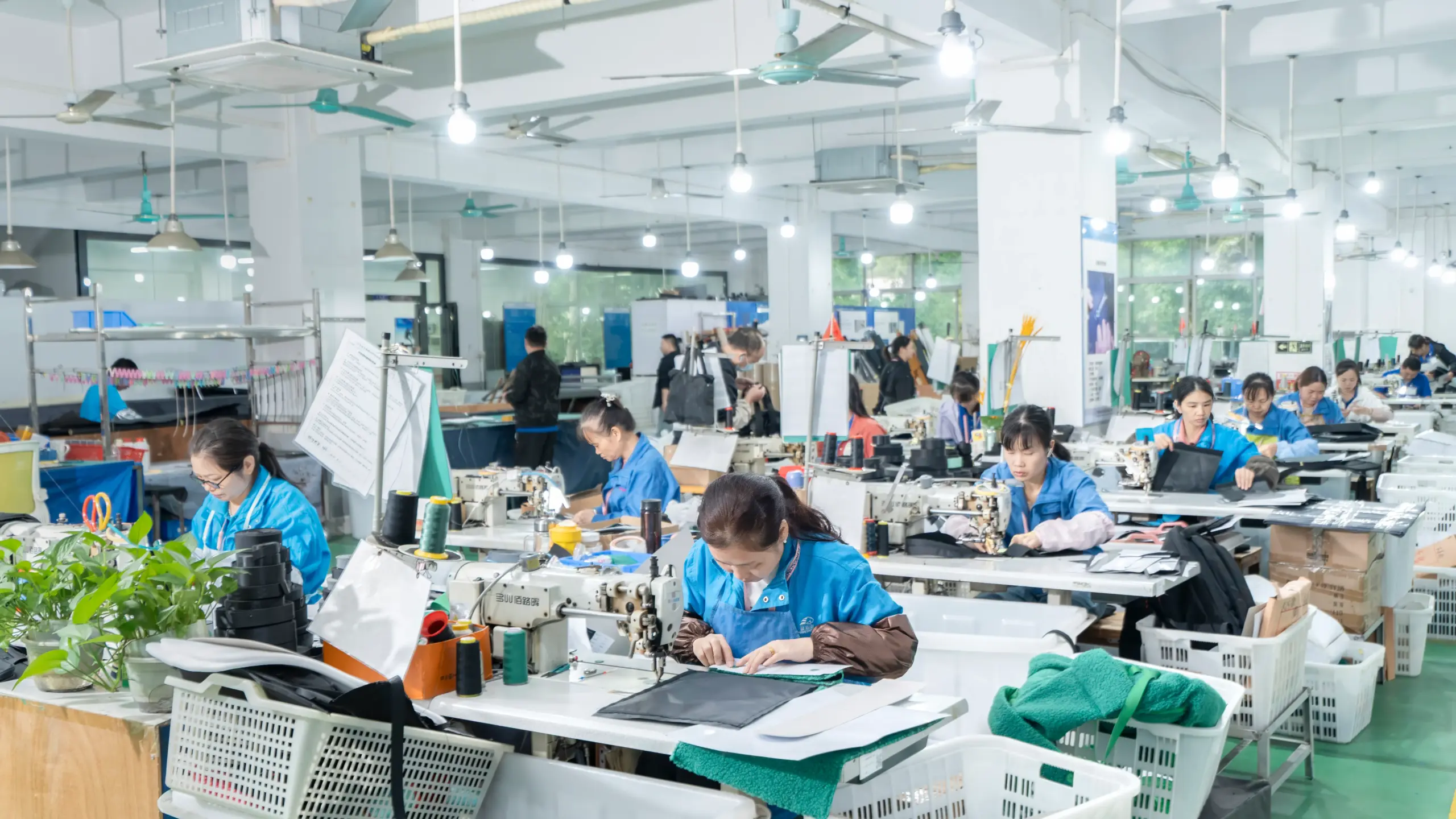
Social audits verify that a factory treats workers to an accepted code of conduct — wages, hours, safety, no forced or child labour, no discrimination. For retailers and brand importers in Europe and North America, these are frequently prerequisites to being put on an approved-supplier list at all.
| Audit | What It Is | Who Asks For It |
|---|---|---|
| BSCI | amfori social-compliance monitoring system with performance levels and follow-up | European importers and retailers |
| SEDEX (SMETA) | Ethical trade audit methodology covering labour, health & safety, environment, ethics | UK, EU and global retail supply chains |
| Customer audits | Retailer-specific factory audits, e.g. Walmart | Large chains onboarding suppliers |
Kingsons holds BSCI (with 2021 and 2026 reports) and SEDEX, and has passed Walmart’s factory audit. A valid social-audit report is dated and scored; a buyer should ask for the current report and its rating, not a generic logo, because an expired or poor-scoring audit is a live risk to your own compliance.
Material and Recycled-Content Claims: GRS
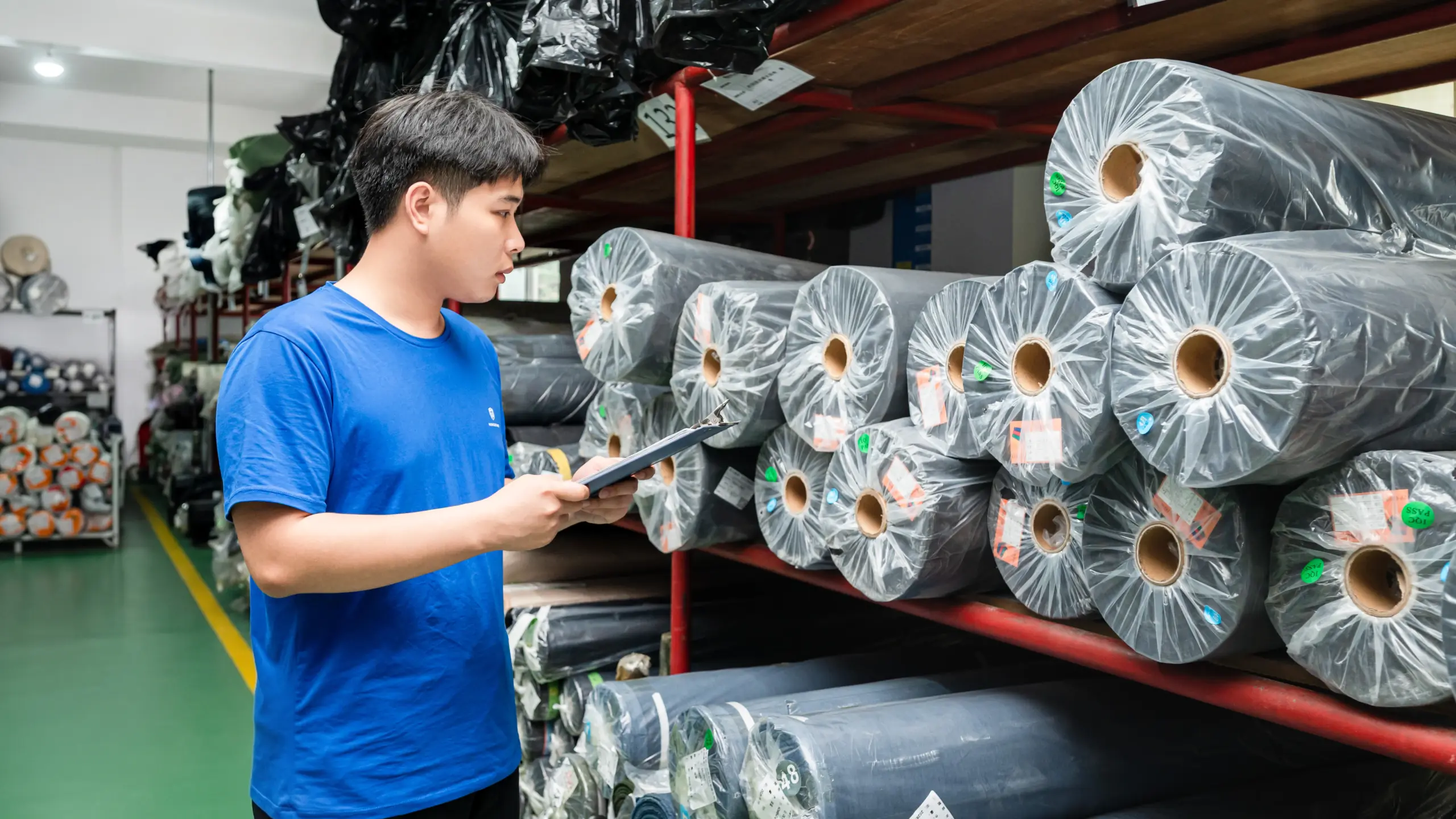
A sustainability claim is only as strong as the certificate behind it. The Global Recycled Standard (GRS) verifies the recycled content of a material and traces it through the supply chain under a chain-of-custody model, alongside social and chemical requirements. Without a valid GRS transaction, “made from recycled bottles” is a marketing sentence, not a fact.
Kingsons holds GRS certification and offers recycled polyester (rPET) and other sustainable materials. When a recycled claim matters to your brand, ask for the current GRS certificate and confirm its scope covers the specific material in your order. Our deeper dive on rPET fabric for bags explains how the claim is verified in practice.
Product-Safety and Market-Access Marks
Product certifications attach to the finished item and gate market entry rather than the factory itself. The relevant marks depend on what the bag contains and where it is sold.
- CE: conformity marking for the European Economic Area; relevant where a product falls under EU directives.
- FCC: US requirement for electronic components — matters for bags with charging circuits.
- RoHS: restricts hazardous substances in electrical and electronic equipment.
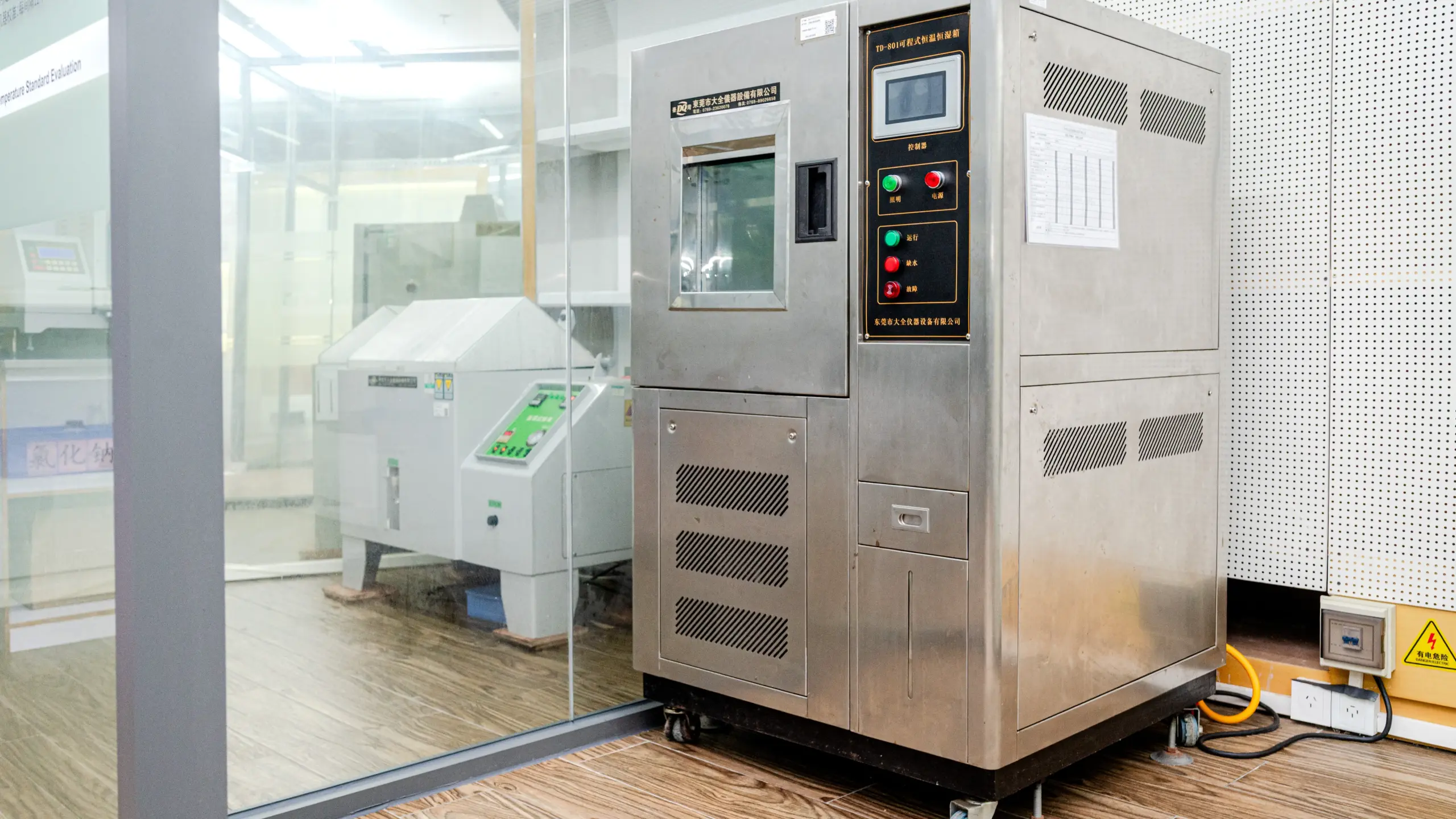
- SGS / third-party lab tests: independent verification of materials and safety by an inspection body.
Kingsons carries product-level CE, FCC, RoHS and SGS testing across its range, including smart and functional bags with electronic components. Chemical and substance compliance such as REACH and children’s-product rules like CPSIA are covered separately in our guide to compliance-driven manufacturing.
How to Verify a Certificate Rather Than Trust a Logo
Certificates are easy to photograph and hard to verify, which is why a compliance-minded buyer checks five attributes on every document a supplier sends.
- Issuing body. Who accredited and issued it? An unknown “consultancy” is not an accredited registrar.
- Scope. Does it name the legal entity and this specific factory, not a parent or a trading office?
- Dates. Is it currently valid, and when was it last audited?
- Rating or level. For social audits (BSCI), what performance level was awarded, and is there a corrective-action plan?
- Chain of custody. For GRS, does it cover the exact recycled material in your order?
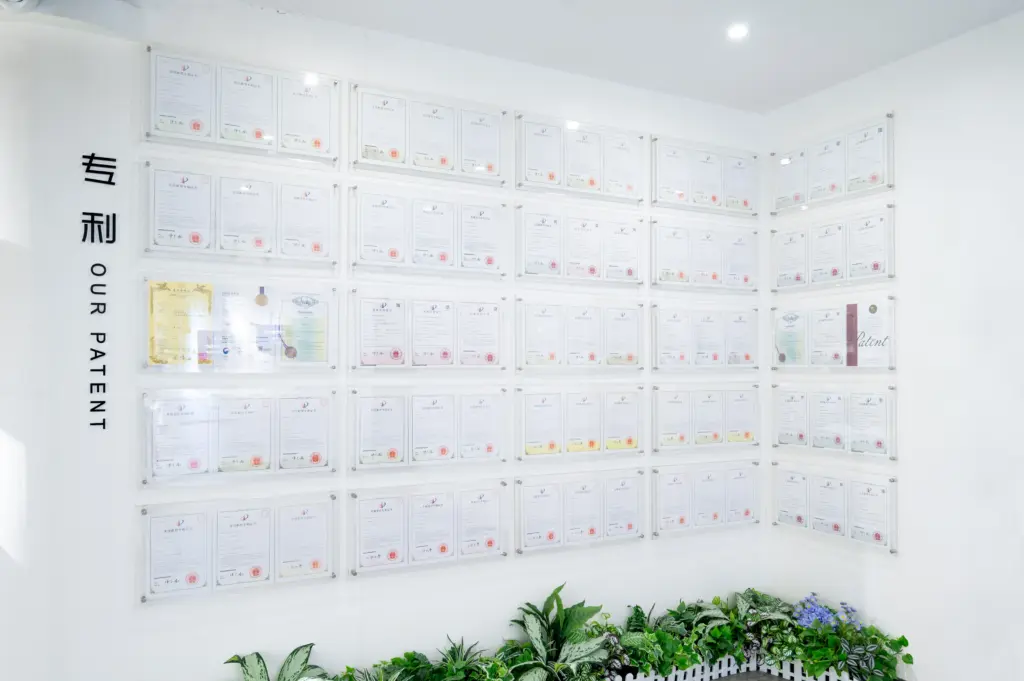
Ask for the current PDF and the audit report, not a framed picture, and cross-check registrars against public accreditation databases where available. A supplier confident in its own systems will send documents quickly; one working from a logo on a wall will stall. Our manufacturer vetting checklist builds verification into the wider selection process.
One distinction worth internalising: certification is maintained, not earned once. ISO, BSCI and GRS all require periodic re-audits, and a lapse silently turns a valid supplier into a non-compliant one between your onboarding and your third reorder. Put certificate expiry dates in your vendor file and set reminders to request refreshed copies, the way you would track a supplier’s insurance. The factories worth keeping treat that request as routine; the ones relying on an old framed logo do not.
Frequently Asked Questions
What certifications should a bag manufacturer have?
It depends on your market and customer. For most B2B buyers the core set is ISO9001 (quality management), a social audit such as BSCI or SEDEX if you sell into Western retail, GRS if you make recycled-content claims, and product-safety marks such as CE, FCC or RoHS where the product or destination requires them. Kingsons holds ISO9001, ISO14001, ISO45001, BSCI, SEDEX and GRS, plus CE, FCC, RoHS and SGS product testing and a Walmart factory audit.
What is the difference between ISO9001 and BSCI?
ISO9001 certifies a documented quality management system — that processes are defined, followed and improved. BSCI is a social-compliance audit that checks working conditions against a code of conduct. One tells you the factory manages quality consistently; the other tells you it treats workers ethically. Serious buyers usually need both, because they answer different risks.
What does GRS actually verify?
The Global Recycled Standard verifies the recycled content of a material and traces it through the supply chain under a chain-of-custody model, alongside environmental and social criteria. It is what turns “made from recycled bottles” into a verifiable claim. Check that the certificate is current and that its scope covers the exact material in your order.
How do I verify a certificate is genuine?
Check five attributes: the accredited issuing body, the scope (does it name this legal entity and factory), the validity dates, the rating for social audits, and the chain-of-custody coverage for material claims. Request the current PDF and the audit report, not a photograph of a framed certificate, and cross-check registrars against public accreditation databases where you can.
Do I need product certifications like CE and RoHS?
If your bags carry electronic components (charging circuits, lights) or you sell into markets that require them, yes. CE applies in the European Economic Area for in-scope products, FCC in the US for electronics, and RoHS restricts hazardous substances in electrical equipment. Independent lab testing such as SGS backs these up. Confirm which marks your destination market and product actually require, and ask the factory for the current report for each.
Are certifications enough to choose a supplier?
No — they are a filter, not a decision. Certificates verify a moment in time and a set of processes; they do not guarantee your specific bag is well made. Use them to shortlist credible suppliers, then confirm capability with a physical sample, a factory audit and consistency across reorders before committing volume.
Sourcing from a certified supplier? Kingsons carries the full documentation set a compliance team asks for — with transparent, verifiable certificates behind every claim.