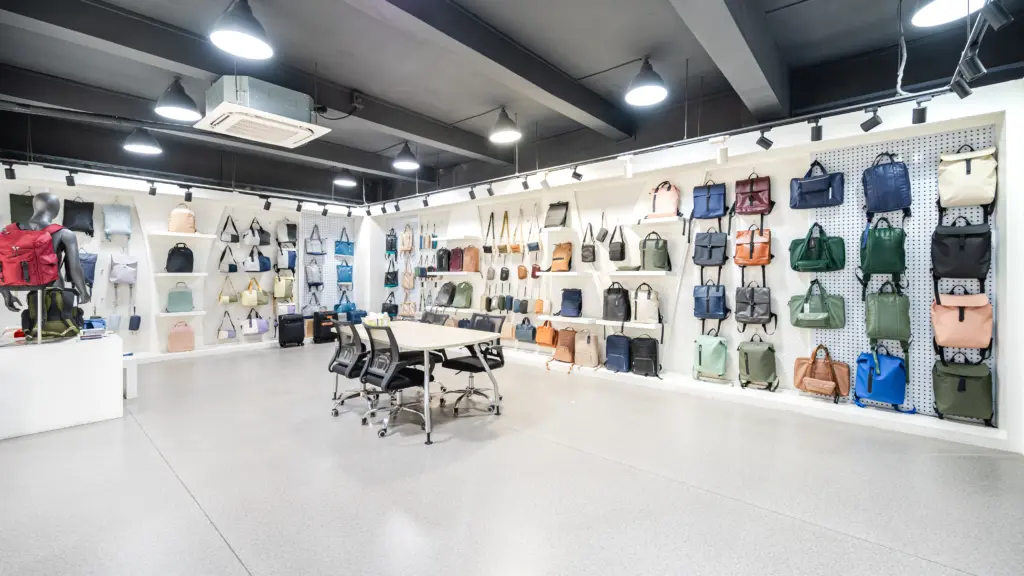
The backpack is having a quiet renaissance — not in unit volume, which has always been steady, but in what buyers now expect a bag to do. Sustainability, smart functionality, security, and sharper use-case design are moving from premium extras to shelf essentials, and importers who stock for those shifts are earning margin where commodity packs are fighting for scraps.
This is a directional read of the 2026 backpack market for importers, retail buyers and distributors: what is changing, why it matters commercially, and what to build your range around.
Key Takeaways
- Sustainability is now a filter, not a flourish — recycled (rPET/nylon) fabrics and certified low-impact packaging are increasingly expected by Western retail and can carry a price premium.
- Smart features (USB-C charging, RFID-blocking pockets, and on some lines solar or wireless options) give a bag a story a commodity pack cannot match — the difference between a price war and a margin.
- Security has become a mainstream design language, not a niche: lockable and cut-resistant construction and hidden pockets are among the strongest consumer triggers in the category.
- The market is fragmenting into scenarios — business, travel, school, gaming, medical, aviation — rewarding buyers whose range covers distinct jobs-to-be-done rather than one generic silhouette.
- Compliance and supply reliability are the new gatekeepers: documented material-safety and social-audit credentials, low test MOQs and fast replenishment decide which stockists can safely scale a trend.
How to read a “trends” piece without getting misled
Most backpack-trend content recites market-size forecasts that reset every year and predict nothing useful to someone actually placing an order. This piece is written from the sourcing side: the changes that alter what a buyer puts in a cart, what a retailer gives shelf space to, and what a manufacturer has to be able to build. Treat it as a merchandising lens, not a set of numbers to quote.
Trend 1 — Sustainability moves from premium line to default expectation
Recycled fabrics are no longer a niche eco capsule; buyers increasingly ask for them as standard. For importers this shows up as real specification language — recycled polyester (rPET) and nylon, and packaging with credible certification such as FSC for paper-based cartons. A manufacturer who can supply recycled-material constructions and a documented chain of custody lets you answer that brief with evidence rather than a vague “green” claim.

The commercial point: an eco credential is one of the few attributes a retailer will reward with shelf prominence and a buyer with a premium, precisely because it is defensible and story-able. Stocking recycled-fabric lines is a low-risk way to ride the shift without betting on a single brand.
Trend 2 — Smart functionality becomes a reason to trade up
The fastest way to escape the commodity black-pack price war is a genuine functional upgrade. USB-C charging pass-throughs, RFID-blocking card pockets, and — on advanced lines — solar or wireless charging turn an everyday carry into a problem-solving product. These features photograph well, fit an Amazon bullet or a retail hangtag, and let you trade a customer up from a base model.
For a stockist the practical question is whether your manufacturer can actually build and QA this electronics-adjacent hardware reliably at scale — a charging port that fails is a return, not a feature. It is worth reading our sourcing-side breakdown of anti-theft and smart backpack features before you commit to a tech-forward line.
Trend 3 — Security is now mainstream design language
A few years ago an anti-theft backpack was a novelty; today lockable zippers, cut-resistant panels, hidden back-access pockets and RFID shielding are a mainstream buying trigger, especially for commuters and travellers carrying laptops and devices. The demand is proven — Kingsons’ flagship one-chain anti-theft backpack crowdfunded past US$1.2 million on Kickstarter, evidence of how strongly a security story converts.
For importers, security features are attractive because they are easy to communicate and hard to price-compare: two bags that look identical are not comparable once one locks and the other does not. That is exactly the wedge you want in a crowded category.
Trend 4 — The category fragments into scenarios
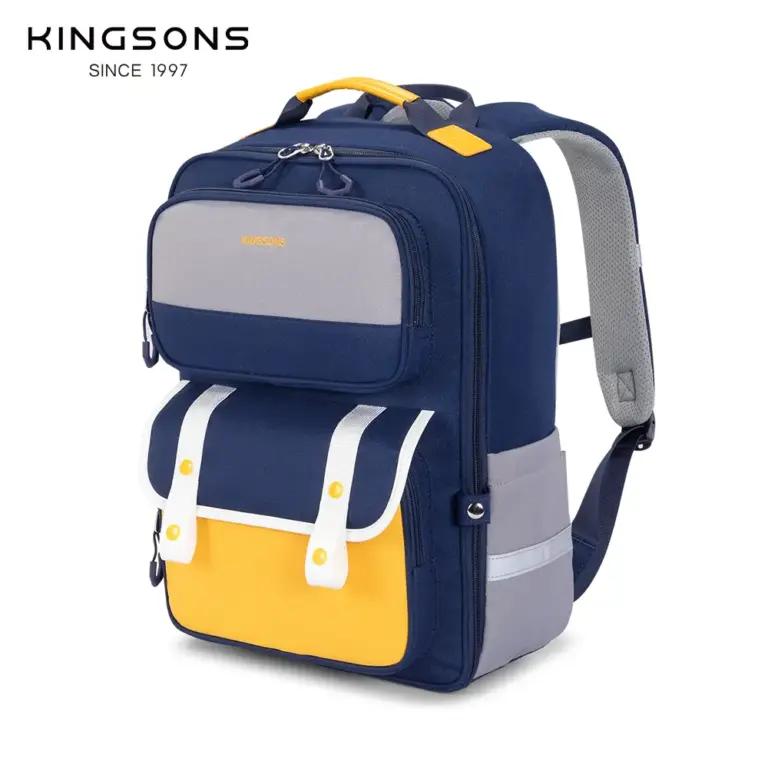
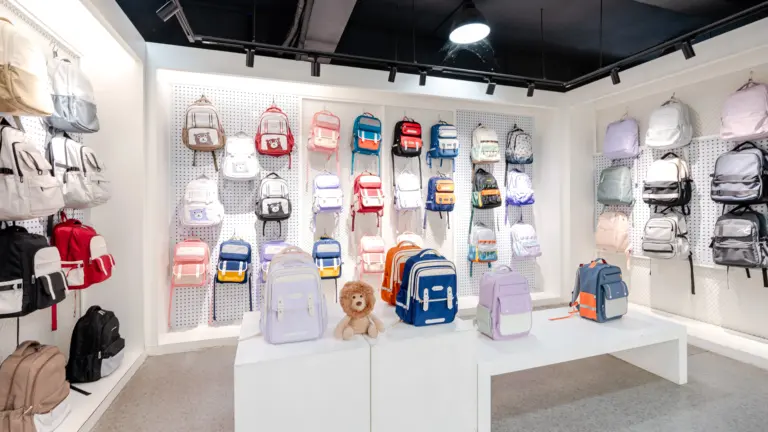
The era of “a backpack” is ending. Buyers shop for a job: business commute, weekend travel, school, gaming, medical-device carry, airline cabin. Each has distinct dimensions, compartments and materials, and each supports a different price point. Retailers and distributors who stock a scenario-mapped range — rather than one silhouette in ten colours — win more of the basket and face less direct price comparison.
| Scenario | What buyers prioritise | Stocking implication |
|---|---|---|
| Business / commute | Laptop protection, clean look, security | Premium, feature-rich SKUs |
| Travel | Capacity, cabin-size compliance, organisation | Seasonal depth around peaks |
| School | Durability, price, colour | High-volume, back-to-school spike |
| Gaming / tech | LED/RGB, device fit, statement design | Higher-margin niche |
| Specialist (medical/aviation) | Compliance, purpose-built fit | Low-volume, high-value |
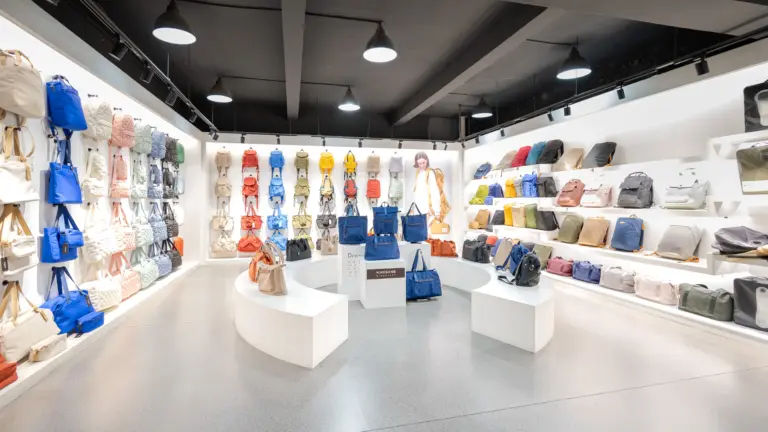
The corollary for a sourcing partner: breadth and refresh cadence matter. A manufacturer that brings genuinely new models each season lets you cover more scenarios and keep a range fresh — a distributor’s advantage over a spot-buyer running last year’s catalogue. Kingsons runs a twice-yearly catalogue (its 2025 spring and autumn lines carried 59 and 85 models) and launches new series annually, which is the kind of depth a scenario-led range needs.
Trend 5 — Durability and reviews are the new marketing
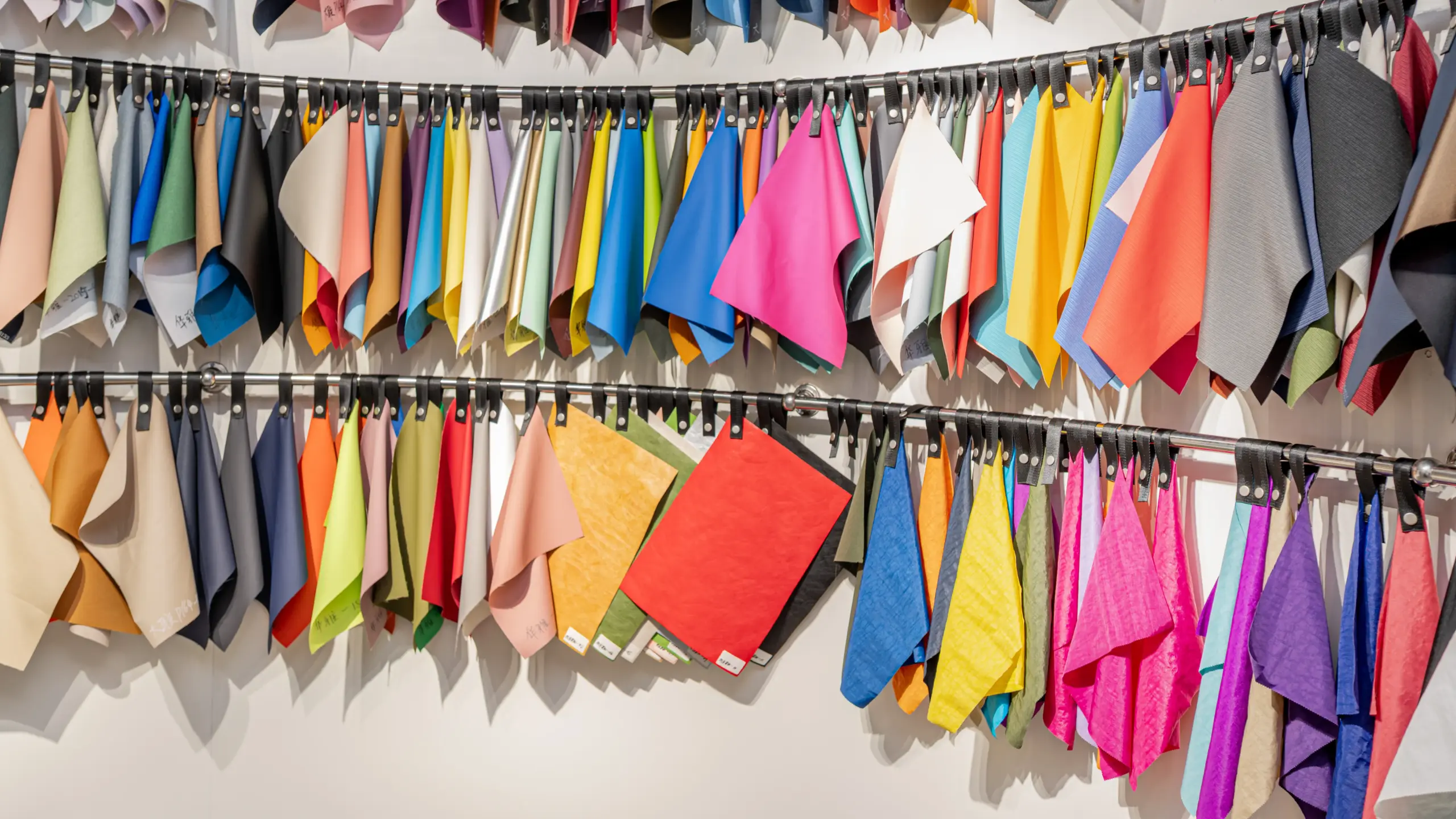
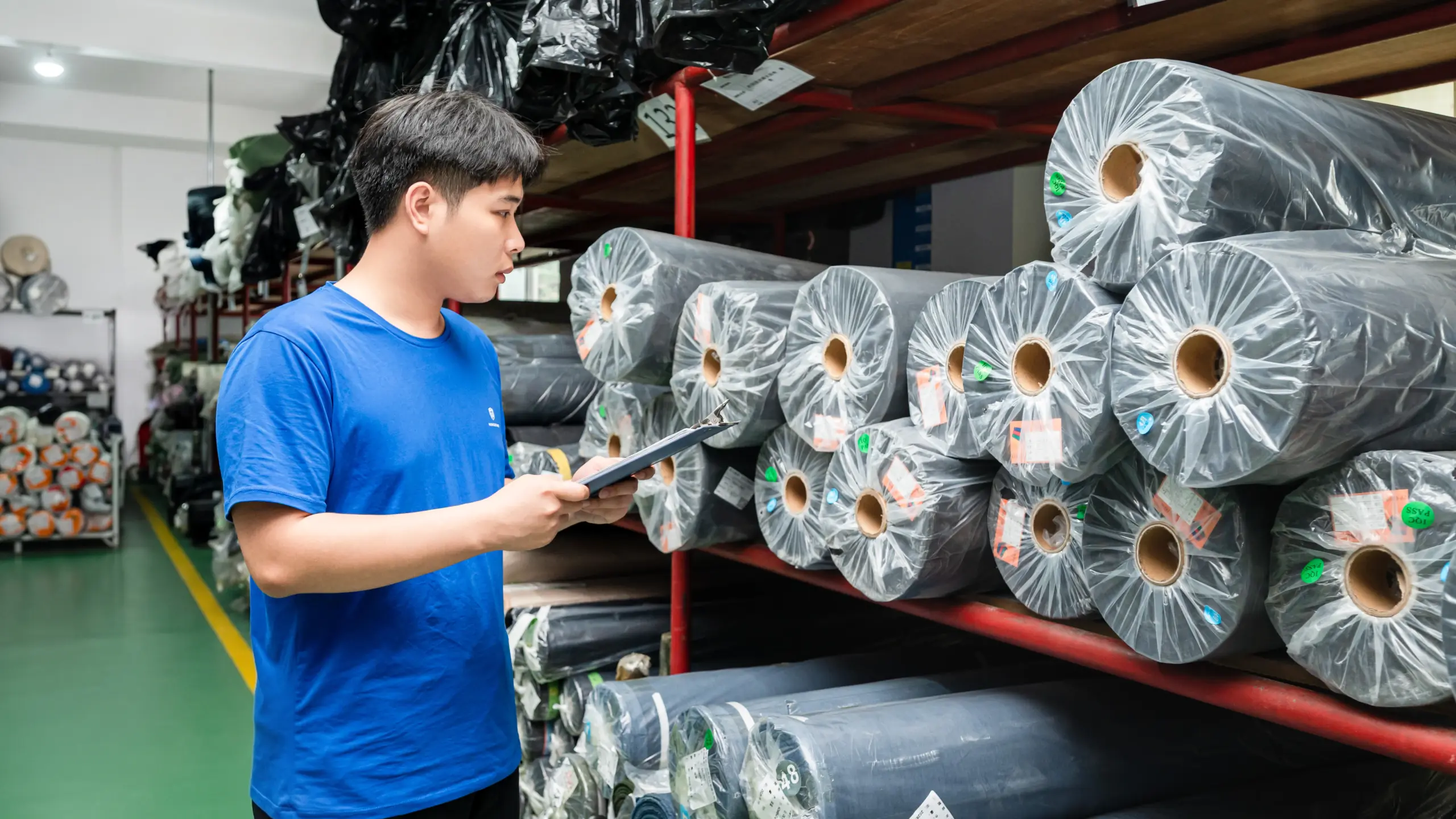
As e-commerce and marketplaces make quality instantly visible through ratings and return rates, “buy it for life” durability has become a commercial factor, not just a value. Named-brand hardware (YKK, SBS, SAB zippers), colour-fastness that survives use, and consistent construction reduce returns and lift review scores — which, online, is the whole game.
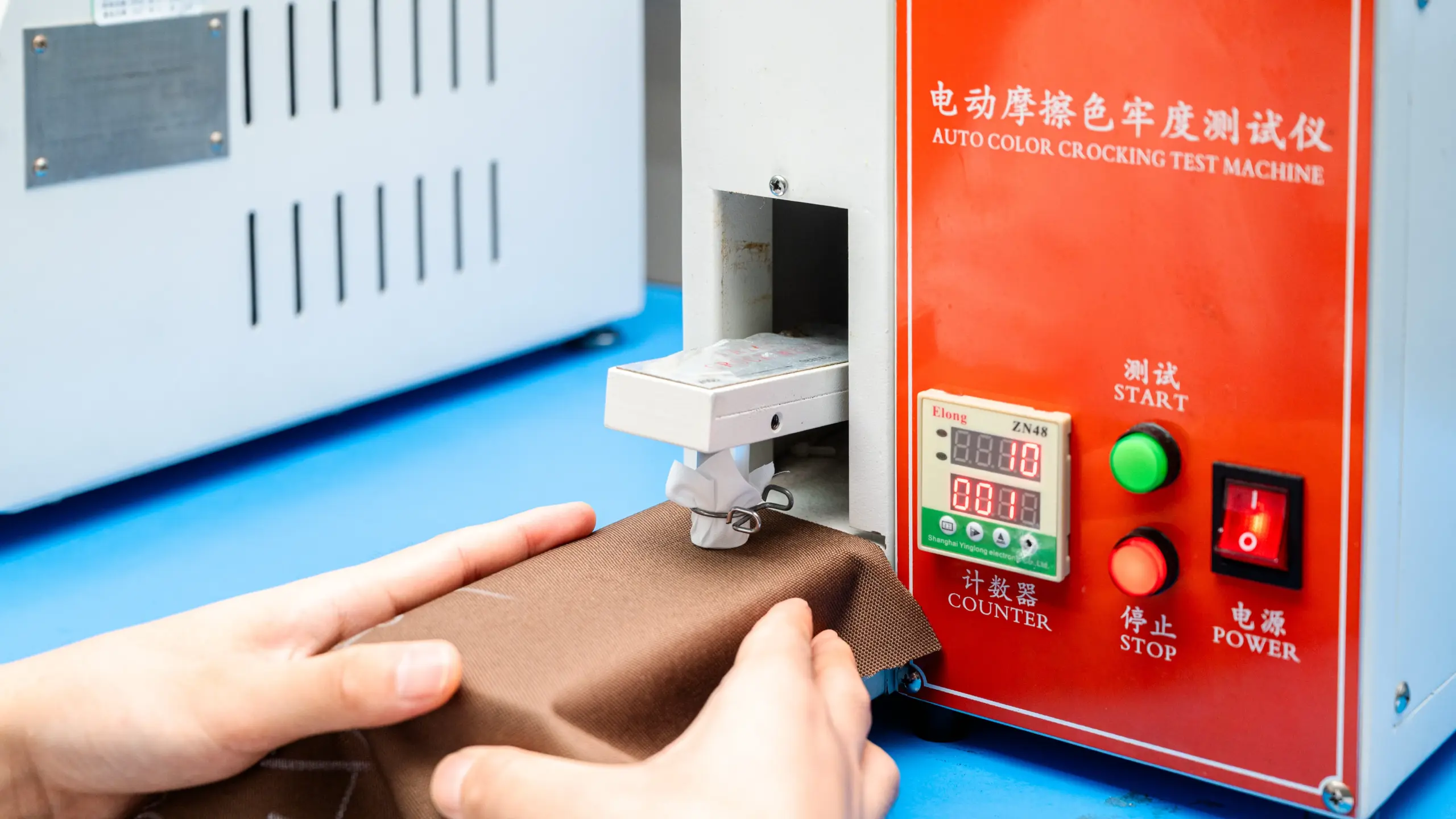
The stocking lesson is to choose suppliers who can evidence quality control — in-house testing and a real warranty — so the trend toward review-driven buying works for you instead of against you.
Trend 6 — Compliance and audits are the gatekeepers of shelf access
Regulated retail channels increasingly make documentation a condition of doing business. Material-safety requirements (REACH in the EU, CPSIA and California Proposition 65 in the US) and social-compliance audits (BSCI/SMETA, and chain-specific programs like Walmart’s) are filters on who can sell where. A stockist who partners with a manufacturer already holding current reports can move into a trend without a compliance scramble stalling the launch.
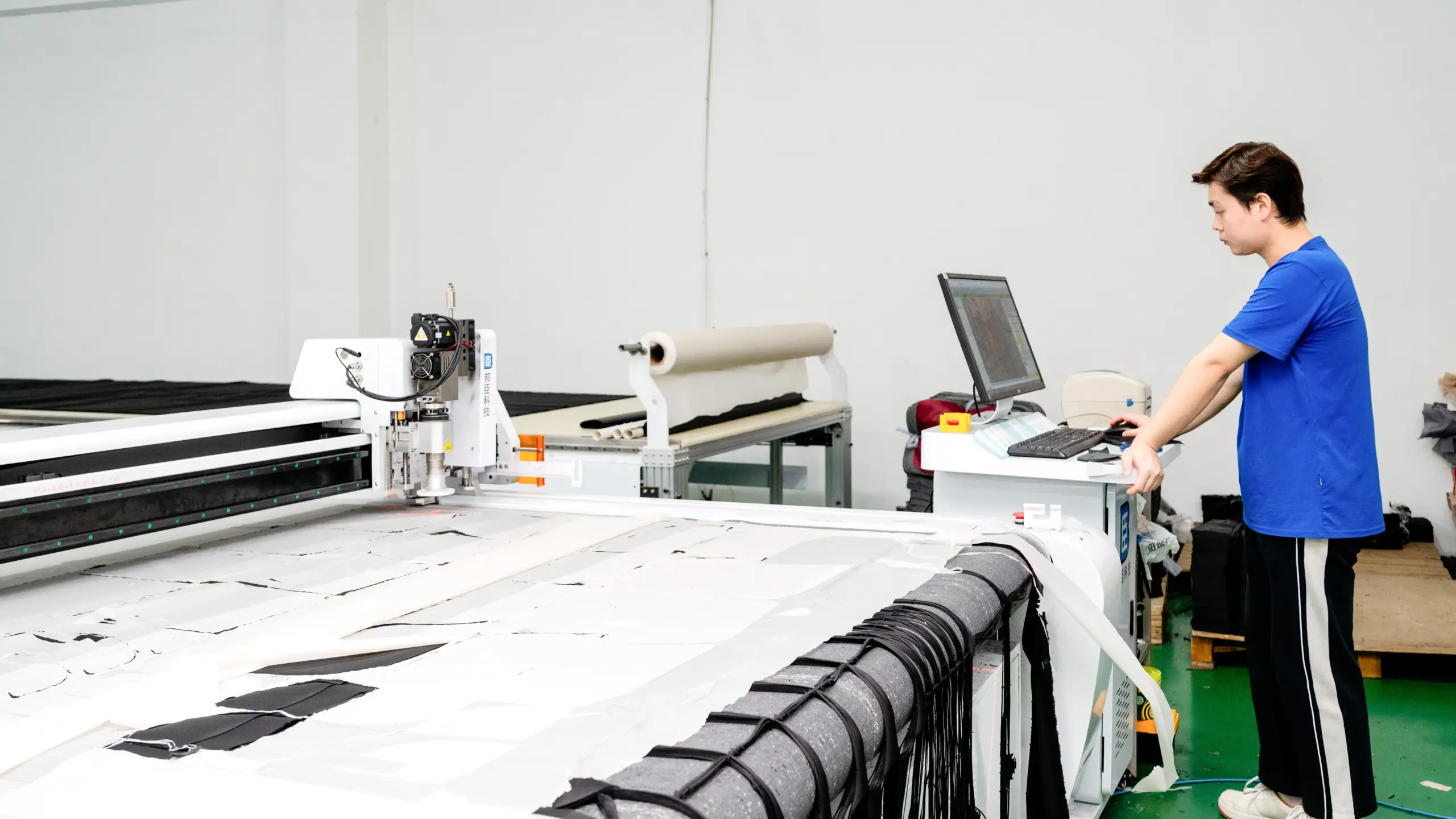
Kingsons carries BSCI (2021 and 2026 reports), SEDEX coverage, ISO 9001/14001/45001 and a passed Walmart factory audit — exactly the evidence a retailer’s buying team asks for before giving a trend shelf space.
Trend 7 — Flexible MOQs let stockists test trends safely
The risk in any trend is betting too big on something that doesn’t turn. The sourcing shift that matters most for 2026 is MOQ flexibility: the ability to test a trend line in small, mixed batches before committing capital. Low in-stock MOQs, colour mixing and small trial runs convert a trend from a gamble into a portfolio of cheap experiments — the model behind our guide to bag distribution and our Amazon FBA sourcing playbook.
What this means for your 2026 buying plan
Read together, the trends point one way: value is migrating from generic volume to specified, story-able, compliant product. A practical stocking response:
- Add a credible sustainable line — recycled fabrics and certified packaging, evidence-backed.
- Layer in functional heroes — charging, RFID and security features that justify a premium.
- Cover scenarios, not silhouettes — map range to distinct buyer jobs and their seasons.
- Buy from audited, quality-evidenced factories — so compliance and reviews never block a trend.
- Insist on flexible MOQs — test small, scale winners, keep cash free.
Why Kingsons is positioned for the 2026 shifts
Kingsons is a functional-tech bag manufacturer (heritage back to 1997) whose capability set maps directly onto these trends: recycled-material lines and FSC-style packaging for sustainability; anti-theft, RFID-blocking and charging products for the smart and security shifts; scenario breadth across business, travel, school and outdoor for the fragmentation trend; named-brand hardware and in-house testing plus ISO, BSCI, SEDEX and a passed Walmart audit for the quality and compliance gates; and low, mixable, trial-friendly MOQs so a stockist can test all of the above without over-committing. For importers and retailers building a 2026 range, the practical question is which of these shifts to stock first — and starting with a partner who can evidence every one of them de-risks the whole plan.
Frequently Asked Questions
What is the biggest backpack market trend for 2026?
No single trend dominates; the common thread is that value is moving from generic volume to specified product — sustainability as a default, smart and security features as trade-up reasons, and scenario-specific design over one generic silhouette. For stockists the safest response is a portfolio that covers several of these shifts rather than betting on one.
Are recycled-material backpacks actually worth stocking?
Yes, if the claim is evidenced. Recycled (rPET/nylon) fabrics and certified packaging are increasingly expected by Western retail and can carry a premium and gain shelf prominence precisely because they are defensible. Stock them with a supplier who can show a chain of custody rather than a vague “green” label.
Do smart features like charging and RFID actually sell?
They do when they solve a visible problem and are reliably built. USB-C pass-throughs, RFID-blocking pockets and security construction give a bag a photographable story that justifies a premium over a commodity pack — but only if the hardware is QA’d, since a failed charging port becomes a return. Choose a manufacturer with real QC and named-brand components.
How do compliance and audits affect what I can stock?
They are gatekeepers of shelf access. Material-safety rules (REACH, CPSIA, Prop 65) and social audits (BSCI/SMETA, Walmart programs) determine who can sell into regulated channels. Partnering with a factory that already holds current reports — Kingsons carries BSCI, SEDEX, ISO 9001/14001/45001 and a passed Walmart audit — lets you move into a trend without a compliance scramble.
How much should I order when testing a new trend?
As little as the supplier allows. The defining sourcing shift for 2026 is MOQ flexibility — low in-stock minimums, colour mixing and small trial runs turn a trend from a gamble into cheap experiments. Test a trend line in a small mixed batch, then scale the winners; over-ordering an unproven SKU is the classic cash-flow mistake.
Which backpack trends should a retailer prioritise first?
Start with the two lowest-risk, highest-recognition shifts: a credible sustainable line and a security/anti-theft line, both of which are easy to communicate and hard to price-compare. Then layer scenario-specific models as your data shows what turns. Read our other sourcing guides for how to evaluate each with a supplier.
Stock the 2026 shifts with a manufacturer who can evidence them — recycled materials, smart and security features, audited quality and trend-friendly MOQs.