custom bag case study is the first checkpoint buyers should lock before they approve a supplier, budget, or production slot. This email chain provides a perfect setup for the topic of discussion. From: Sourcing Manager To: QA Lead Subject
That email is a classic sourcing nightmare. It highlights why a detailed backpack manufacturer case study is more than just a story; it’s a breakdown of the process controls that separate a good one-off sample from a reliable 10,000-unit run. Getting the initial sample approval is the easy part. The real challenge is ensuring the ten-thousandth bag has the same stitching, fabric weight, and quality tolerance as the first one you signed off on. This is where most brands get burned.
Scaling from a prototype to mass production isn’t about finding a factory that says yes. It’s about finding a partner who can proactively de-risk the process. A partner who identifies that an over-engineered buckle is costing you $0.45 لكل وحدة, or uses 3D modeling to save you weeks on a sample round. Those are the markers of a true production partner, not just a vendor. This is a look at what that process actually involves.
The Client: A Growing E-commerce Brand
An established Amazon seller needed a flagship product to build their own brand and escape the generic marketplace.
The client was a successful e-commerce operator with years of experience selling on platforms like Amazon. They understood the market but were caught in the cycle of competing on price with generic bags. To launch their own direct-to-consumer brand, they needed a proprietary product that could command a premium and build lasting brand equity.
The Challenge: A Market-Ready Anti-Theft Backpack
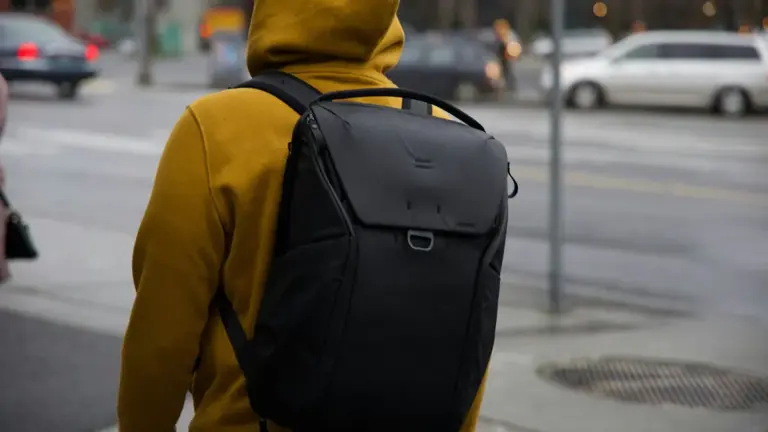
They approached us with a strong concept but no formal tech pack. The goal was to develop a unique anti-theft backpack for urban commuters that was distinct from the dozens of lookalikes online. This wasn’t just about adding a logo; it was about engineering a new product from the ground up to support a successful e-commerce launch.
- Design Gap: Translate a visual concept into a manufacturable design with precise material specs, construction methods, and functional hardware.
- Feature Integration: Incorporate specific anti-theft features like hidden zippers and slash-proof fabric without making the bag bulky or driving up the unit cost.
- Quality Standard: Establish a strict quality tolerance from the start to ensure the final production run matched the approved sample, preventing costly defects and negative customer reviews post-launch.
Stage 1: Design Refinement and Prototyping
Digital prototyping cut three weeks and $800 from the timeline before a single piece of fabric was even cut.
An e-commerce brand’s initial tech pack is a starting point, not a production-ready blueprint. It often contains contradictions or overlooks manufacturing realities. The first job of an experienced OEM backpack production process is to stress-test the design on paper to prevent costly errors on the factory floor.
How the R&D Team Perfected the Tech Pack
Our 20-person R&D team used its in-house 3D modeling system to build a digital version of the client’s anti-theft bag. This digital prototype immediately revealed that the specified side pocket dimensions would interfere with the main compartment zipper when full. Correcting this digitally saved an entire round of physical sampling—a three-week, $800 mistake averted.
Creating the ‘Golden Sample’ in 4 Weeks
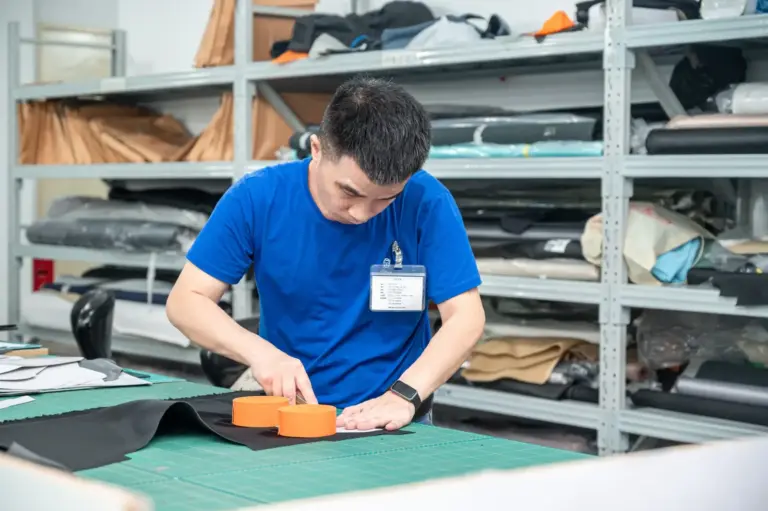
With the design validated, creating the ‘golden sample’ began. This is the physical benchmark against which all 10,000 units will be judged. It’s more than just a prototype; it is the physical contract for quality. The sample approval is the final gate before committing to raw materials.
- Component Lock-in: Every element was finalized, from the specified ripstop fabric down to the exact SBS zipper pulls. No substitutions are permitted after this stage.
- Construction Standard: Stitch density, bar-tack reinforcement points, and panel alignments were documented. This sets the definitive quality tolerance for the entire production run.
Stage 2: Material Sourcing and Cost Optimization
A perfect sample means nothing if you can’t replicate it 10,000 times on budget.
With the ‘golden sample’ approved, the project shifted from design to supply chain execution. The challenge was clear: source materials for 10,000 units while holding the line on quality and hitting a target unit cost. This is where most OEM backpack production processes falter, but where an established manufacturer’s network becomes invaluable.
Securing High-Quality Ripstop Fabric at Scale
The client specified a durable ripstop nylon. For a 10,000-unit run, locking in a consistent dye lot and weave is non-negotiable. Any variation could ruin the brand’s launch. Leveraging long-standing accounts with major mills like Teijin and Covestro allowed the procurement team to secure the entire fabric order from a single, pre-vetted batch, eliminating the risk of quality tolerance issues between shipments.
Reducing Unit Cost by 12% Through Construction Adjustments
Hitting the target FOB pricing wasn’t about squeezing margins. It was about intelligent value engineering. The client’s initial tech pack included hardware that was over-specified for the bag’s intended use case. This is a common blind spot for new brands.
The 20-person R&D team flagged a key opportunity. The specified main buckle was over
- The Saving: $0.45 per unit on a single component.
- The Impact: A total of $4,500 saved on the 10,000-unit order, forming the core of the 12% total cost reduction without touching the fabric or primary zippers.
| Objective | Action | Tactic | Impact |
|---|---|---|---|
| Secure High-Quality Fabric at Scale | Leveraged our established supply chain and long-term partnerships with premier material suppliers like Teijin and Covestro. | Bulk-purchased the specified ripstop nylon, ensuring consistent dye lots and passing all incoming material quality control (مراقبة الجودة) checks for REACH and California 65 compliance. | Guaranteed material availability and quality consistency for the entire 10,000-unit production run, eliminating potential sourcing delays and quality variances. |
| Reduce Final Unit Cost | Conducted a comprehensive Bill of Materials (BOM) and construction review to identify areas for optimization without sacrificing quality. | Identified that the client’s initial choice of buckle was over-engineered for the bag’s load. We sourced and tested a new, equally durable buckle. | Saved the client $0.45 لكل وحدة, contributing to an overall 12% reduction in unit cost and a total saving of $4,500 on the order. |
Stage 3: Mass Production and Quality Control
AQL 2.5 is the industry standard, but a defect rate under 1% is the mark of a top-tier manufacturing partner.
The ‘Golden Sample’ is a promise. Mass production is where that promise is kept or broken. Scaling from one perfect unit to 10,000 identical ones is the single biggest test of a supplier’s process discipline. This is where many partnerships fail, not in design, but in execution.
Implementing AQL 2.5 for a Sub-1% Defect Rate
Many factories will quoteAQL 2.5, the standard for acceptable quality. But few can prove how
This multi-stage process, managed by our dedicated QC teams across 20 خطوط الإنتاج, caught minor deviations before they could cascade. The result was a final defect rate of just 0.7%—well below the 2.5% allowance. That’s the difference between hitting a spec and owning a process.
Navigating Logistics for a Successful Launch
Getting 10,000 units manufactured is only half the battle. Getting them delivered on time and ready for sale is the other. This involves more than just booking a container. We ensured all packaging was optimized for both protection and volumetric weight, directly impacting the client’s shipping costs, especially on FOB pricing terms. All cartons were correctly labeled for the e-commerce brand’s receiving warehouse, preventing costly delays and sorting errors on their end.
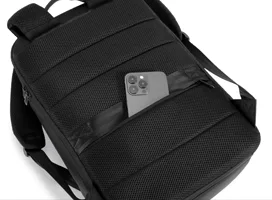
The Result: A Successful Product and Lasting Partnership
The final defect rate was 0.7%, beating the industry-standard AQL 2.5 target and proving the value of a true partnership.
A successful product launch is more than just getting boxes to the warehouse on time. For the e-commerce brand, the real success was in the verifiable numbers that protected their margin and launch schedule. This is the difference between a simple transaction and a genuine manufacturing partnership.
Tangible Savings Before Production Even Started
Early-stage collaboration delivered immediate financial gains. By identifying an over-engineered buckle in the initial tech pack, a switch to an equally durable alternative saved $0.45 لكل وحدة. On a 10,000-unit order, that’s a direct $4,500 cost reduction. This is the kind of value a partner brings to the table.
The timeline was also compressed. Using in-house 3D modeling for digital proportion approval eliminated an entire physical sample round. This single step saved the client an estimated $800 in shipping and sample costs and, more importantly, cut three weeks from the pre-production schedule.
Proof of Quality: Documented Defect Rates
The most critical metric for any OEM backpack production process is the final quality. Proactive QC checks at three stages—material arrival, mid-production, and final assembly—were implemented. The result was a final defect rate of just 0.7% across all 10,000 وحدات, a key factor in scaling an e-commerce product with confidence.
Here’s the benchmark: The standard Acceptable Quality Limit (AQL) for this product category is 2.5. Achieving a rate nearly four times better isn’t an accident; it’s the outcome of a rigorous system. This low rate, backed by a 12-month warranty, gives the brand confidence to scale without fearing a wave of customer returns.
خاتمة
Scaling from a tech pack to a 10,000-unit production run isn’t just about negotiating favorable FOB pricing. As this case study shows, a successful launch depends on a manufacturing partner’s ability to challenge assumptions, optimize components, and manage quality at every stage. The initial sample approval is only the first checkpoint; true partnership is about proactive problem-solving that drives down unit costs and ensures the final shipment matches the golden sample.
- Component optimization can yield major savings; changing one over-engineered buckle saved $4,500 on the total order.
- Digital 3D modeling can eliminate entire physical sample rounds, saving weeks of time and hundreds of dollars.
- A multi-stage QC process can achieve a defect rate below 1%, significantly outperforming the AQL 2.5 industry standard.
Here is your benchmark for your next supplier call: a 0.7% final defect rate on a 10,000-unit order. Most manufacturers will commit to an AQL 2.5 quality tolerance, which allows for more than three times as many defects. Ask potential partners for the actual defect rate on their last large-scale run. Their answer reveals the difference between stated policy and shop-floor reality. To see the product integrity that this level of process control delivers, you can review the range of finished custom backpacks and their specifications.
الأسئلة المتداولة
What’s the timeline for a 10k unit order?
A custom order of 10,000 units typically ships in 37-50 days after you approve the final sample. This timeline accounts for our 7-10 day sampling cycle and 30-40 day mass. Complex material sourcing or significant design changes will extend this baseline schedule.
What is your minimum for a custom bag?
Our minimum order quantity (موك) for a fully custom OEM/ODM bag is 500 units per design. This is half the typical industry requirement, allowing for more flexible. For smaller trial runs, we offer wholesale on existing brand stock with a 200-unit MOQ.
How do you ensure quality on large orders?
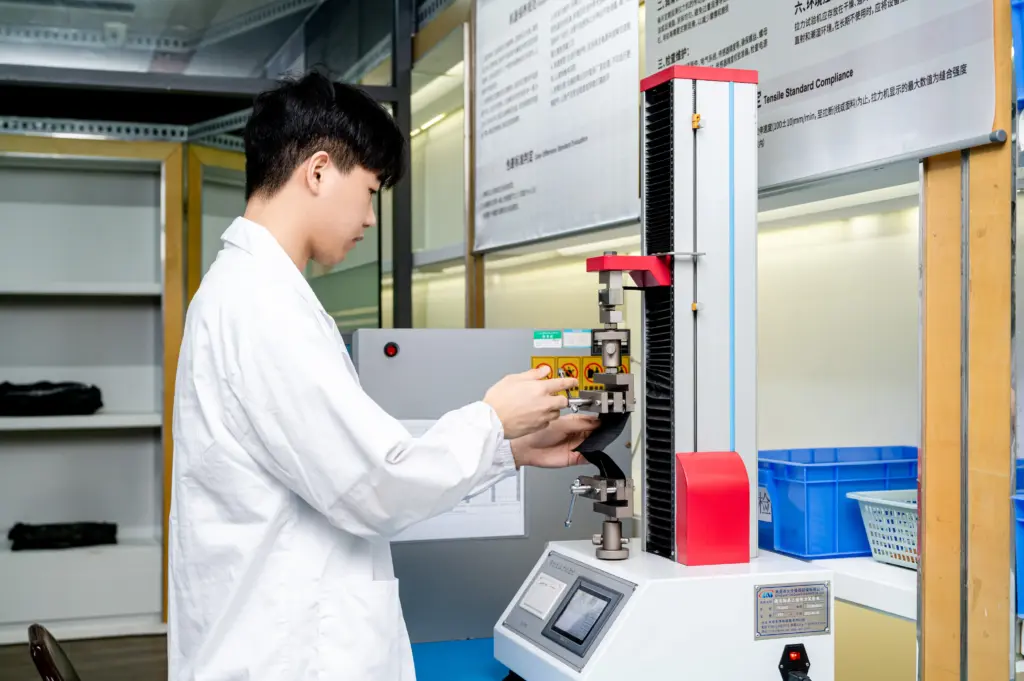
We manage quality through a full-process system, from raw material inspection to final AQL-based checks before packing. Our ISO9001-certified factory uses dedicated test equipment for durability. This process ensures consistency across the entire production run, from the first unit to the last.
Can I get a sample before mass production?
نعم, a physical ‘golden sample’ is created for your approval before any bulk production is scheduled. This pre-production sample process typically takes 7-10. Any fees for custom molds or tooling required for the sample are usually credited to your mass production order.