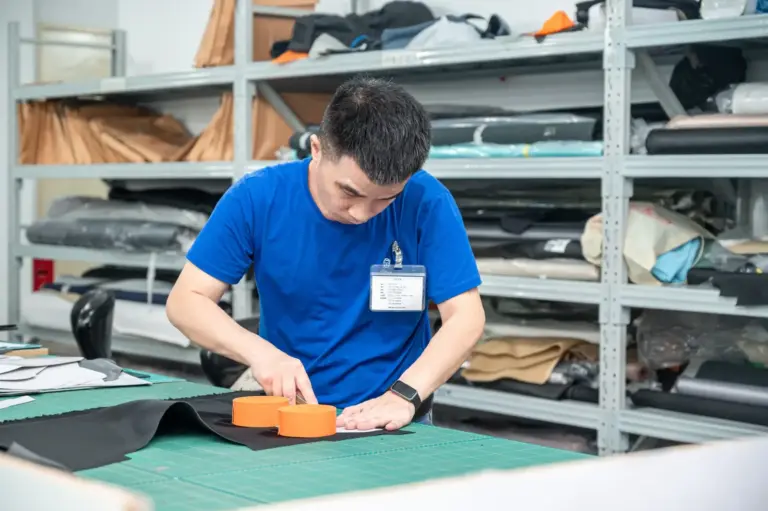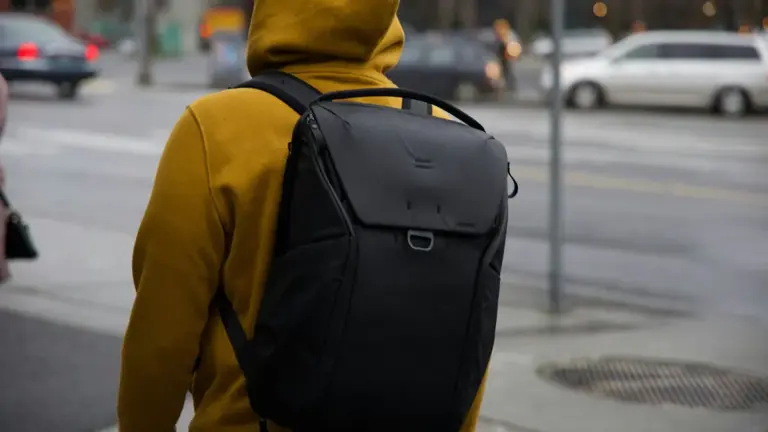
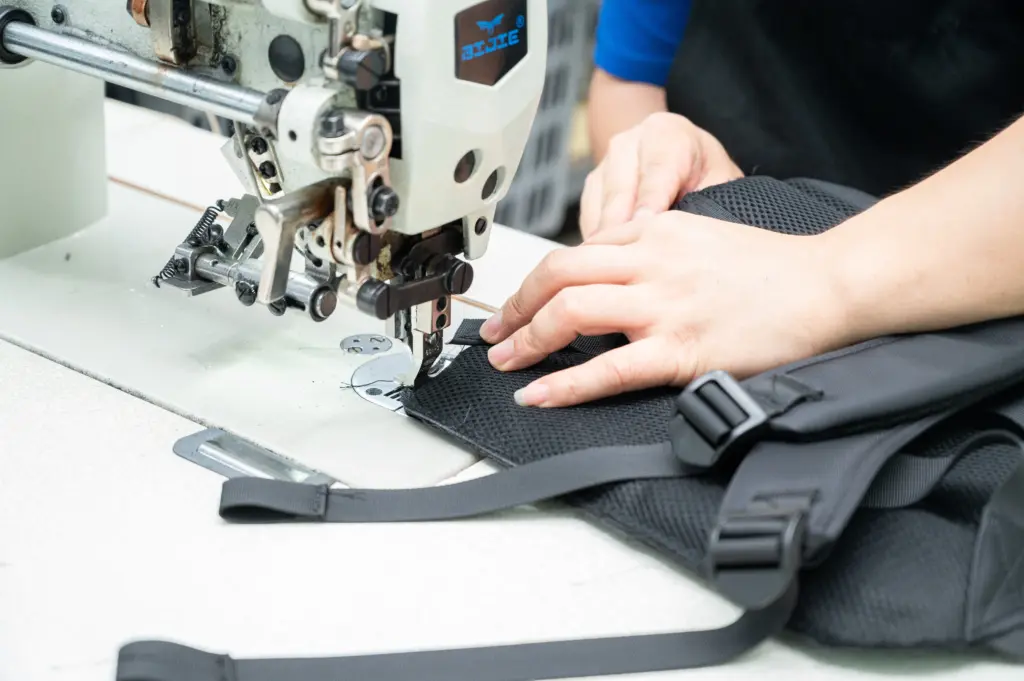
custom bag materials is the first checkpoint buyers should lock before they approve a supplier, budget, or production slot. Every sourcing guide tells you to sign off on the pre-production sample before committing. That advice is dangerously incomplete. I’ve seen a buyer get burned on a $50,000 order because the 600D polyester on the final run felt flimsier than the perfect sample they approved. The failure wasn’t in the sample approval stage; it was in trusting that a single sample could represent 10,000 units’ worth of custom bag materials from different dye lots.
Experienced product managers know that golden sample is just the starting point. The real work is locking down the spec sheet beyond just the fabric name. It’s about defining the acceptable quality tolerance for the entire material batch—the specific GSM, the coating thickness, the exact zipper supplier. Without that, you’re not buying a product; you’re buying a lottery ticket. This guide is about building a spec that ensures the bag you approve is the bag you actually receive.

Fabric Fundamentals: Denier, GSM, and Coatings Explained
A high denier count means nothing if the fabric’s weight and coating are wrong.
I’ve seen buyers get burned on $50K orders because they only looked at the denier (D). They approve a 600D polyester sample that feels substantial, but the bulk production arrives feeling flimsy and cheap. The supplier didn’t change the 600D fabric. They just used a lighter weave and a thinner PU coating to cut costs. Denier only measures thread thickness; it says nothing about the density of the weave (GSM) or the backing that gives the fabric its structure and water resistance. Without all three, your spec sheet is incomplete.
Common Woven Fabrics: Polyester, Nylon, and Cordura
The choice between these workhorse fabrics is a direct trade-off between cost, durability, and perceived value. Polyester is the cost-effective default for most promotional and retail bags. It holds color well and resists UV degradation. Nylon, particularly in higher denier counts like 840D or 1000D, offers a superior strength-to-weight ratio and better abrasion resistance, but at a higher cost. It’s the right call for bags meant to take a beating.
Then there’s branded fabric like CORDURA®. It’s a specific type of high-tenacity, air-textured nylon. While it can be 20-30% more expensive than generic 1000D nylon, internal tests show it offers up to triple the abrasion resistance. For a premium product line where durability is a key selling point, that cost is an investment, not an expense. It justifies a higher retail price and drastically reduces warranty claims. The final quality tolerance you set for your product will dictate which material makes financial sense.
Sustainable Options: The Real Cost of RPET
Many brands hesitate to specify sustainable materials, assuming a massive price jump. That’s a misconception. Switching from standard polyester to a certified RPET (recycled polyethylene terephthalate) fabric often only increases the per-unit cost by 5-8%. For that minor increase, you gain a powerful marketing story and appeal to an entire segment of eco-conscious buyers.
But be careful. Any factory can claim to use “recycled” materials. Without verification, you could be paying a premium for nothing. This is where certifications are non-negotiable. Insist on materials from a supplier with a valid Global Recycled Standard (GRS) certification. This ensures traceability and validates the recycled content claim from the source, protecting your brand’s integrity.
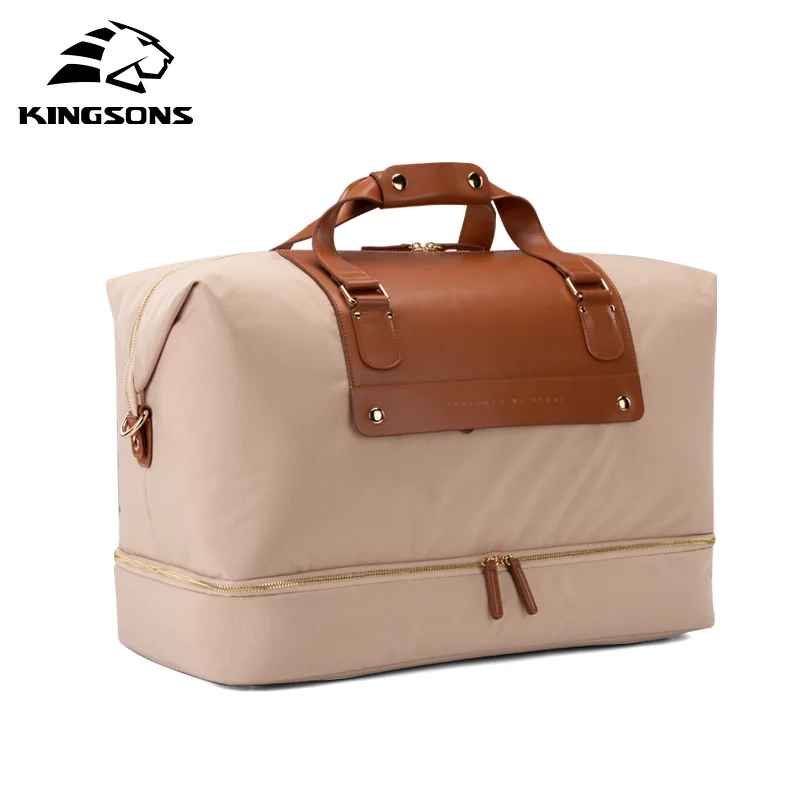
A Look at Leather: Full-Grain vs. Top-Grain vs. PU Leather
The word ‘leather’ on a spec sheet is a red flag until you define which of the three classes it belongs to.
A buyer approves a beautiful leather sample for a corporate gift bag order. The production run of 5,000 units arrives, and visually, it matches. But three months later, customer complaints flood in about cracking and peeling. The supplier met the look but substituted a higher-grade top-grain sample with a low-grade PU for the main production. This is a classic bait-and-switch that sinks product lines.
Full-Grain vs. Top-Grain: A Matter of Hide Layers
Full-grain is the outermost layer of the hide, with all its natural imperfections. It’s the toughest and develops a patina over time, but the yield from each hide is low, making it the most expensive option. Top-grain is the layer underneath, which is sanded to remove blemishes and then coated. It offers a uniform look and solid durability at a more accessible price point, making it a workhorse for premium-mainstream products.
PU (Polyurethane) Leather: Not All Synthetics Are Equal
Polyurethane leather is a fabric base with a polymer coating. Its quality varies dramatically, and this is where product managers must be precise in their specifications. A cheap PU will destroy your brand’s reputation. A high-quality PU can outperform low-grade leather.
- The Base Fabric: Durability is dictated by the fabric underneath the coating. A cheap, non-woven base will tear. A woven polyester or cotton base provides structural integrity. Your spec sheet must define the base material.
- The Coating: Thin coatings crack and peel. Ask for the coating thickness and, critically, request hydrolysis test results. This test simulates aging in humid conditions and is the best indicator of whether the PU will delaminate.
- The PVC Risk: An unscrupulous factory might substitute cheaper PVC for PU. PVC is stiff, has a strong chemical smell, and cracks in cold weather. Your purchase order must explicitly forbid PVC to protect yourself.
Your choice maps directly to your market position. For a luxury line, nothing short of top-grain will do. For a high-volume e-commerce brand, a well-specified PU is often the smarter commercial decision. Ensuring consistency requires working with a manufacturer whose quality systems, like those audited under BSCI or ISO9001, can trace materials from sourcing to final assembly. This prevents deviation from the approved sample.
Hardware and Trims: Zippers, Buckles, and Straps
A $0.10 saving on a zipper can lead to a $50,000 product recall.
The fabric is the body, but the hardware is the nervous system. It’s where your customer interacts with the bag every single day, and it’s where failures are most acutely felt. I’ve audited supply chains where a minor cost-saving on a zipper pull cascaded into a catastrophic product recall. Hardware is not an area for casual compromise; it’s a line item that defines your product’s warranty risk and perceived quality.
YKK vs. SBS Zippers: The Real-World Decision
Everyone knows YKK is the gold standard for zippers. The action is smooth, the tolerances are tight, and the failure rate is near zero. But here’s the unvarnished truth: for 90% of consumer and promotional bags, it’s overkill. The real decision isn’t about ‘best’ but ‘appropriate’. Specifying SBS or SAB zippers can reduce your FOB price without a noticeable drop in performance for the average end-user, freeing up budget for a better face fabric or more complex features.
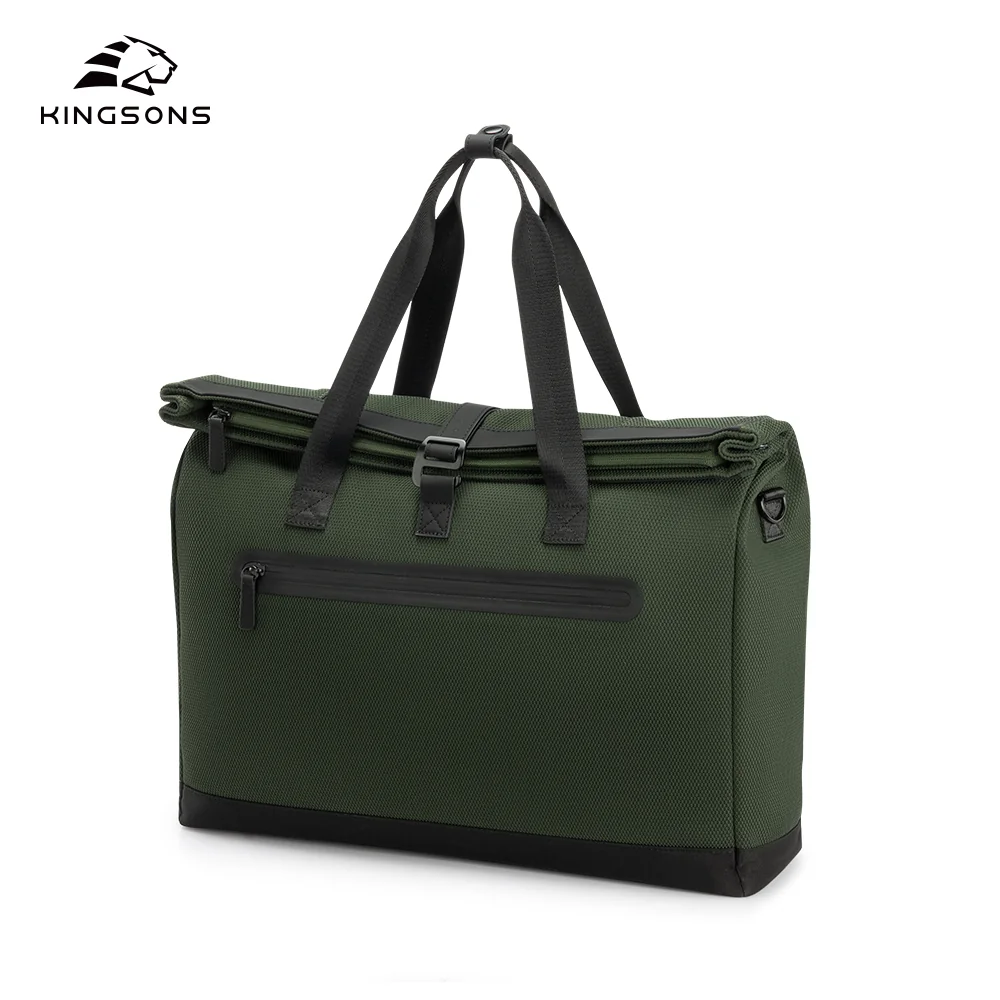
This is a conversation about brand positioning. A mature manufacturer like Kingsons has established supply chains with all major zipper suppliers—including YKK, SBS, and SAB. This allows a product manager to make a strategic choice, not just a default one. You can spec YKK for a premium line and SBS for a volume-driven product, all from the same factory floor.
Buckle Material: Beyond ‘Plastic vs. Metal’
The spec sheet that just says ‘plastic buckle’ is a red flag. There is a massive difference between a cheap polypropylene (PP) buckle that will crack in cold weather and a high-grade polyoxymethylene (POM/Acetal) buckle from a reputable supplier like ITW. The cost difference per component is marginal, but the impact on durability is enormous.
- Quality Plastic (e.g., POM): Lightweight, silent in operation, and maintains flexibility in low temperatures. This is the standard for any serious performance, outdoor, or daily commuter bag.
- Metal (e.g., Zinc Alloy): Chosen for perceived heft and a premium aesthetic, common on executive or fashion bags. The primary risk isn’t breakage, but poor plating that chips, revealing the base metal underneath.
But the final 10% of hardware quality isn’t the buckle itself. It’s the strap webbing and the thread holding it. A premium buckle on a strap made of cheap, fraying polypropylene webbing is pointless. A professional’s spec sheet calls out the webbing material (e.g., seatbelt-grade nylon) and specifies bar-tack stitching at all major stress points. That’s the detail that separates a one-season bag from one that lasts a decade.
Matching Materials to Your Bag’s Function (Laptop vs. Travel)
Specifying the wrong material for the bag’s function is the fastest way to destroy your brand’s reputation and your profit margin.
I once audited a brand that got burned on a $50K order of laptop bags. The pre-production sample looked great, made from a sturdy 900D polyester. The problem? The purchase order didn’t specify the padding density or the lining fabric. The factory, trying to meet a tight FOB price, swapped the high-density foam for a cheap, open-cell version and used a rough 150D lining. The bags looked identical, but the first batch of customer returns cited scratched laptops and zero drop protection. The entire order was a write-off.
The Laptop Bag: Protection is the Priority
A bag designed to carry electronics is not a fabric shell; it’s a protective system. The exterior material is secondary to the construction. Your spec sheet must prioritize features that absorb impact and prevent abrasion on the device itself. This is where a manufacturer’s specific capabilities, like Kingsons’ patented airbag shockproof technology, become a critical differentiator, not just a marketing point.
- Padding Specification: Don’t just write “padded compartment.” Specify “8mm closed-cell EPE foam” or a similar standard. This prevents the cost-cutting substitution that dooms products.
- Lining Fabric: The standard 210D polyester lining is functional, but it can feel abrasive. Upgrading to a soft-touch brushed tricot or microfiber for the laptop sleeve costs pennies per unit but dramatically increases the perceived value and protects the device’s finish.
- Water Resistance: A PU or TPE coating on the main fabric is non-negotiable. It buys the end-user critical time in a sudden downpour. Verify the coating’s presence, as it’s invisible to the naked eye.
The Travel Bag: Durability Against Abuse
A travel bag lives a brutal life. It’s thrown by baggage handlers, scraped on concrete, and overstuffed. Here, the exterior fabric’s abrasion and tear resistance are everything. While a 600D or 900D polyester is adequate for light use, it won’t survive long in heavy travel. This is where material selection directly impacts your warranty claim rate.
For a premium product line, specifying a branded material like Cordura® is a smart investment. While it can be 20-30% more expensive than generic 1000D nylon, its superior abrasion resistance is a measurable performance benefit you can market. It’s the difference between a bag that looks worn after five trips and one that looks good after fifty. Also, pay attention to the zippers. A failed zipper mid-trip is a catastrophe. Specifying a reliable brand like YKK or a high-grade SBS zipper is a cheap insurance policy against returns.
| Bag Category | Primary Focus | Recommended Materials | Critical Features | Kingsons Advantage |
|---|---|---|---|---|
| Business & Laptop Bags | Device Protection & Professionalism | High-Denier Polyester (600D-900D), Nylon, PU Leather Accents, Soft Microfiber Lining. | Superior shock absorption, multi-compartment organization, water-resistance, and a sleek, modern aesthetic. | Patented Airbag shockproof technology, dedicated padded sleeves, and use of premium, GRS-certified sustainable fabrics. |
| Travel & Outdoor Bags | Durability, High Capacity & Weather Resistance | Ballistic Nylon, Ripstop Polyester (900D+), or branded fabrics like Cordura® for maximum abrasion resistance. | High tear strength, waterproof coatings, robust hardware (YKK/SBS zippers), ergonomic carrying system, and security features. | Expertise in durable construction with high-performance, water-repellent materials and reinforced stitching for long-haul reliability. |
Conclusion
A detailed spec sheet covering fabric denier, hardware brands, and leather grades gets you 90% of the way to a solid product. It ensures your FOB pricing is based on a clear foundation. But the final 10%, the part that separates a good product line from one that generates warranty claims, lies in the components often relegated to footnotes. It’s the thread weight, the foam density in the straps, and the quality of the lining that dictate the final hand-feel and long-term durability.
- Upgrading to Cordura® from generic nylon can triple abrasion resistance for a 20-30% cost increase.
- The perceived value of a soft-touch microfiber lining far outweighs its minimal cost over standard 210D polyester.
- Switching to RPET fabric from standard polyester often adds only 5-8% to the unit cost but builds significant brand equity.
- The choice between YKK and SBS zippers directly impacts reliability and is a key indicator of overall quality tolerance.
The true test of your material selection comes when these components are assembled into a physical product. Your next step is to move beyond the material list and discuss the complete construction with a potential manufacturing partner, defining expectations before the critical sample approval stage. To see how these details translate into finished goods, review a portfolio of specialized bags and analyze how different custom bag materials are combined for specific functions and price points.
Frequently Asked Questions
What materials can I customize for my bags?
You can specify a wide range of materials, including genuine leather, synthetics like PU and PVC, and fabrics such as nylon, polyester, and canvas. We also support specialized. Your final material choice depends on the bag’s function, target cost, and compliance needs.
Can you source sustainable or eco-friendly materials?
The company regularly sources sustainable materials like GRS-certified recycled nylon and rPET for its partners. The factory
What’s better for durability, nylon or polyester?
Both nylon and polyester offer excellent durability, but they have different strengths. Nylon typically provides superior abrasion and tear resistance, while polyester often has better UV. The best choice depends on the specific denier, coating, and intended use case for the bag.
Do you use brand-name components like YKK zippers?
Bags can be equipped with zippers from leading suppliers, including YKK, SBS, and SAB. Spec