A cura della redazione di Kingsons · Pubblicato ad agosto 22, 2026
Fabric choice alone accounts for 25–35% of a laptop backpack’s unit cost, and it is the single decision that most B2B buyers get wrong — not because they lack knowledge, but because the material options look similar on a spec sheet and only reveal their differences after six months of customer use. A 600D polyester and an RPET recycled nylon may both be listed as “water-resistant” and “durable,” but their abrasion performance, UV stability, and hand feel diverge sharply in the field.
This guide is written from the perspective of a manufacturer that has produced laptop backpacks in every mainstream fabric for 29 anni, sourcing materials from suppliers including Corcovado, 科思创 (Covestro), 帝人 (Teijin), and 安利 (Anli). It covers the six fabric options most commonly specified for laptop backpacks, the zipper and hardware decisions that determine long-term reliability, the foam density requirement that protects laptops from shock damage, and the cost-performance tradeoffs that help buyers match materials to their target price point and market positioning.
Punti chiave
- 600D polyester is the workhorse fabric for B2B laptop backpack orders — it balances cost, durabilità, and printability at high volume.
- 1680D ballistic nylon delivers premium durability at a 40–60% cost premium, best reserved for products retailing above $60.
- RPET recycled nylon meets the same abrasion standards as virgin nylon at a 10–15% premium — increasingly required by European retail chains.
- Zipper brand matters more than most buyers realize: the cost gap between YKK and no-name is $0.30–$0.80 per unit, but the field failure cost ratio is 1:10 A 1:50.
- Laptop compartment foam must be at least 25 kg/m³ density — anything below 20 kg/m³ compresses within weeks and leaves the laptop unprotected.
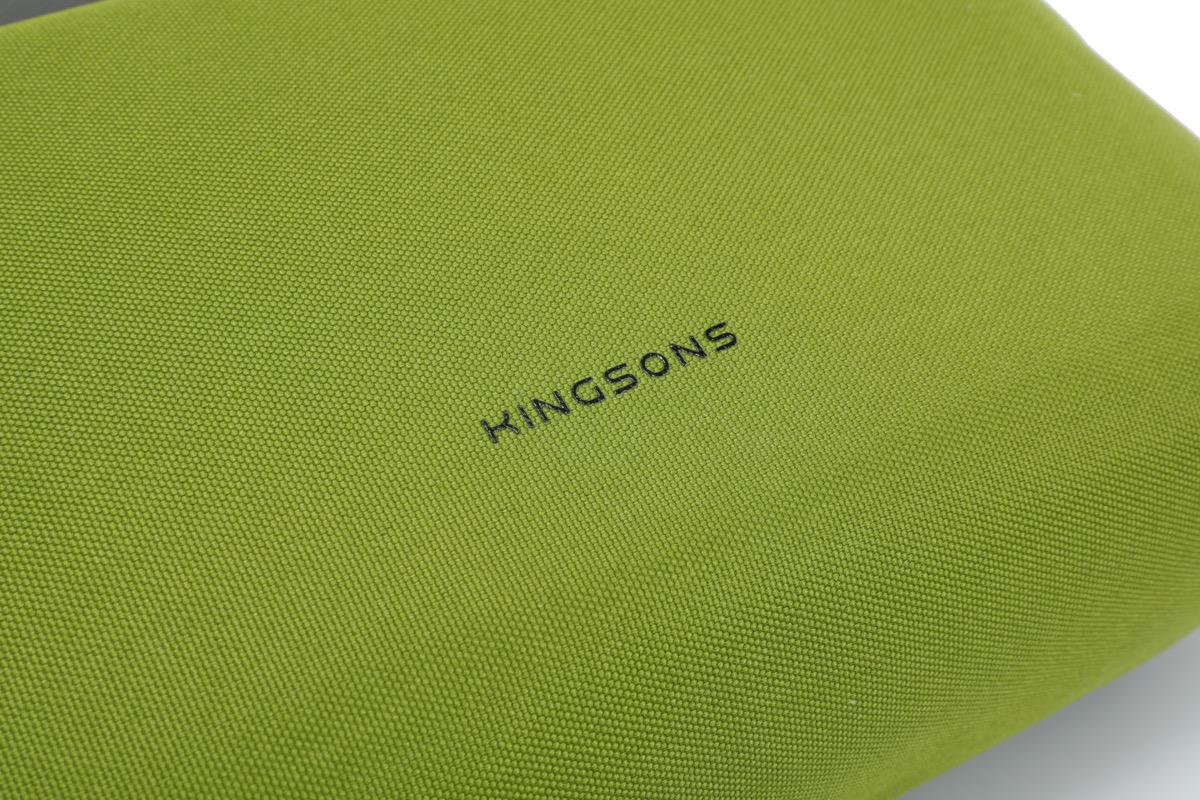
Six Fabric Options for Laptop Backpacks, Ranked by Performance
The laptop backpack market uses a relatively narrow range of fabrics, but the differences between them are significant. Here is how the six most common options compare across the dimensions that matter most to B2B buyers: durabilità, water resistance, peso, cost, and market positioning.
| Fabric | Denier / Peso | Resistenza all'abrasione | Water Resistance | Cost Index | Ideale per |
|---|---|---|---|---|---|
| 600D Polyester | 600D | Bene (3,000–5,000 cycles) | Moderate (PU coating) | Base | Mid-range business, high-volume runs |
| 1680D Ballistic Nylon | 1680D | Excellent (10,000+ cicli) | Alto | +40–60% | Premium business, anti-theft models |
| RPET Recycled Nylon | 420–600D | Good–Very Good | Moderate–High | +10–15% | Eco-positioned brands, European market |
| Cordura in nylon | 500–1000D | Excellent (8,000+ cicli) | Moderate | +25–40% | Outdoor-positioned laptop backpacks |
| Tela (cotton blend) | 12–18 oz | Moderate | Low (needs treatment) | +5–20% | Fashion/lifestyle laptop bags |
| TPU Laminated Fabric | Varies | Very Good | Very high (3,000mm+) | +50–80% | Waterproof/outdoor laptop backpacks |
600D Polyester: The Volume Workhorse
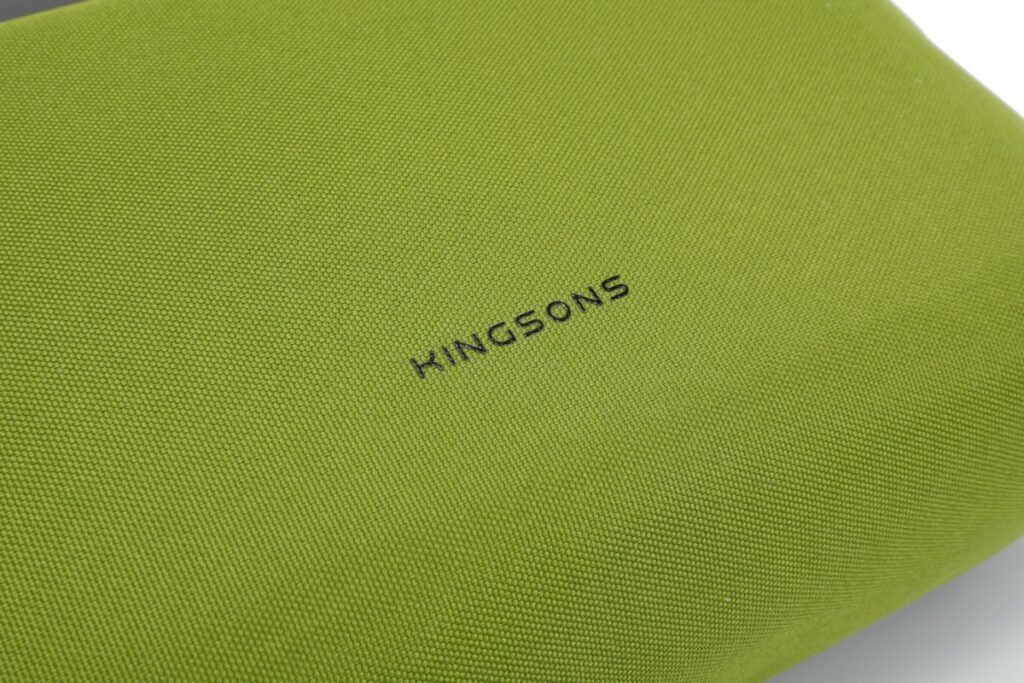
600D polyester accounts for the majority of B2B laptop backpack orders worldwide. It is the default choice for mid-range business backpacks retailing between $20–$45, and it offers the best balance of cost, printability, and adequate durability for daily commute use. The fabric accepts silk-screen printing, heat transfer, and sublimation well, making it the preferred base for branded corporate orders.
The limitation of 600D polyester is abrasion resistance. At 3,000–5,000 Martindale cycles, it holds up well for light-to-moderate daily use but shows wear faster than nylon-based alternatives on high-contact areas like the bottom panel and shoulder strap edges. For products positioned above $40 vedere al dettaglio, many buyers upgrade to a nylon face fabric on high-wear panels while keeping 600D polyester on the body to manage cost.
1680D Ballistic Nylon: The Premium Standard
Originally developed for military flak jackets, 1680D ballistic nylon is the fabric of choice for premium laptop backpacks retailing above $60. Its dense weave delivers abrasion resistance exceeding 10,000 Martindale cycles — roughly double that of 600D polyester. The fabric has a distinctive smooth, slightly glossy hand feel that signals quality to end consumers.
The cost premium is 40–60% over 600D polyester. This is justified for products where the end consumer expects premium durability — business professionals, frequent travelers, and outdoor-positioned laptop backpacks. For budget-oriented product lines, the premium is difficult to absorb without compressing margins.
RPET Recycled Nylon: The Compliance Choice
RPET (Recycled Polyethylene Terephthalate) fabric is made from post-consumer plastic bottles. It has moved from niche to mainstream over the past three years, driven by European retail chain requirements and consumer demand for sustainable products. A Kingson, RPET orders have grown from under 5% of production volume in 2022 to over 15% In 2025.
The key advantage is compliance. Con GR (Standard globale di riciclo) certification, RPET fabric validates a brand’s sustainability claims in a way that marketing copy alone cannot. The cost premium over virgin nylon is 10–15% — the smallest among performance upgrades. For brands targeting the European market, RPET is increasingly not optional but required.
Zippers and Hardware: The Components That Fail First
Fabric gets the attention, but zippers and hardware are the components that fail first in the field. A laptop backpack with premium fabric and cheap zippers will generate more returns than one with mid-range fabric and premium zippers. B2B buyers who understand this dynamic specify branded components from the start.
Zipper Brands: YKK, SBS, and the Cost of Going No-Name
| Brand | Origin | Typical Cost per Unit | Reciprocating Test Result | Best Application |
|---|---|---|---|---|
| YKK | Giappone | $0.80–$1,50 | 15,000+ cicli | Premium business, antifurto, outdoor |
| SBS | Cina (premium) | $0.40–$0,80 | 12,000–15,000 cycles | Mid-range business, e-commerce brands |
| SAB | Cina | $0.35–$0.70 | 10,000–12,000 cycles | Budget-conscious branded products |
| No-name | Various | $0.10–$0.30 | 4,000–6,000 cycles | Not recommended for laptop backpacks |
The per-unit cost gap between YKK and no-name is $0.30–$0.80. On a 5,000-unit order with five zippers per backpack, the total zipper cost difference is $7,500–$20,000. But the field failure cost of a no-name zipper — measured in returns, replacement shipments, negative reviews, and lost retail accounts — typically runs 10–50x that amount.
A Kingson, all laptop backpack orders use YKK or SBS zippers as standard. The zipper brand and model are specified in the production specification sheet, and any substitution requires written buyer approval. This clause protects both parties: the buyer gets the quality they specified, and the factory has a clear standard to meet.
Hardware: Fibbie, D-Rings, and Strap Adjusters
The same logic applies to buckles and hardware. Specify branded components from SFS or ITW — the same suppliers used by major outdoor and tactical brands. The cost premium over generic hardware is $0.10–$0.30 per piece. The performance difference shows up in two areas: cold-weather cracking (generic buckles fail below -10°C; branded buckles pass to -30°C) and UV degradation (generic hardware becomes brittle after 200 hours of UV exposure; branded hardware passes 500+ hours).
For laptop backpacks sold in North America or Northern Europe, where winter temperatures regularly drop below freezing, this is not a theoretical concern. A cracked buckle on a shoulder strap adjuster turns a functional backpack into a product that cannot be worn.
Foam Density: The Specification That Protects Laptops
The laptop compartment is the reason the product exists. Yet the foam inside it is the component most commonly de-specced by factories trying to cut costs — and the one most likely to generate a catastrophic failure claim if a laptop is damaged in transit.
Minimum Density Requirements
| Foam Type | Minimum Density | Protection Level | Cost | Note |
|---|---|---|---|---|
| Closed-cell EPE | 25 kg/m³ | Adequate for daily commute | Base | Standard for most laptop backpacks |
| Closed-cell EVA | 30 kg/m³ | Higher impact absorption | +15–25% | Preferred for premium / rugged models |
| Molded EVA (custom shape) | 35–40 kg/m³ | Maximum protection, form-fitting | +40–60% | Used with tooling investment |
| Recycled foam | 15–20 kg/m³ | Inadequate — compresses within weeks | -20–30% | Not recommended for laptop compartments |
The critical threshold is 25 kg/m³. Below this density, the foam compresses under the laptop’s weight within weeks of daily use, creating a thin layer that provides virtually no shock absorption. A laptop dropped onto compressed foam experiences the same impact force as one with no padding at all.
A Kingson, all laptop backpacks use closed-cell EPE foam at 25 kg/m³ minimum for the laptop compartment, with EVA upgrades available for premium lines. The foam density is verified at IQC — every incoming foam batch is weighed and measured to confirm it meets specification before it enters the production line.
A buyer received a sample with 28 kg/m³ EVA foam — it felt solid and protective. The mass production batch used 18 kg/m³ recycled foam that looked identical from the outside. The only way to catch this: specify foam type and density in the purchase contract, and verify with a density test at IQC.
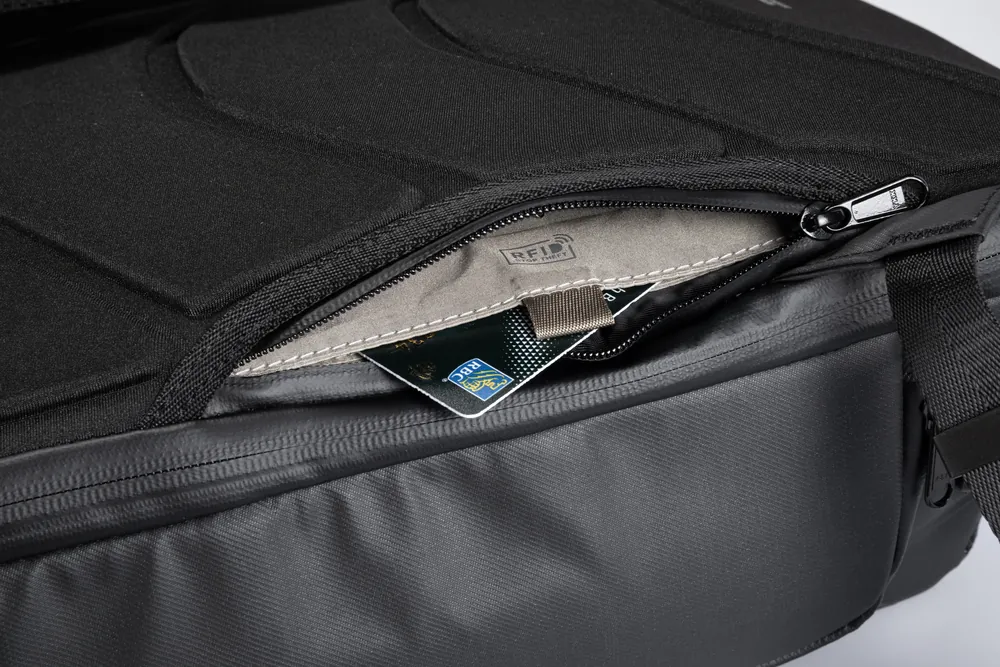
Cost-Performance Matrix: Matching Materials to Your Target Price
The right material choice depends on your target retail price. Here is how the most common material configurations map to price positioning, based on production data from a factory that manufactures across all tiers.
| Target Retail | Recommended Fabric | Cerniera | Hardware | Foam | Est. Material Cost |
|---|---|---|---|---|---|
| $15–$25 | 600D Polyester | SBS | Generic (branded if possible) | EPE 25 kg/m³ | $3.50–$5.50 |
| $25–$45 | 600D Polyester + nylon accent panels | YKK or SBS | SFS | EPE 25 kg/m³ | $5.50–$8.50 |
| $45–$70 | 1680D Ballistic Nylon or RPET | YKK | SFS / ITW | EVA 30 kg/m³ | $8.50–$13.00 |
| $70+ | Cordura or TPU-laminated | YKK waterproof | ITW | Molded EVA 35+ kg/m³ | $13.00–$20.00+ |
These are material costs only — labor, overhead, confezione, and factory margin add another 50–70% on top. But the material tier is the primary driver of unit cost, and it is the decision that most directly determines your product’s quality perception in the market.
The RPET Premium: Worth It or Marketing Gimmick?
For the European market, RPET is increasingly non-negotiable. Major retail chains including Carrefour and Decathlon now require GRS-certified materials for their own-brand products. Amazon’s Climate Pledge Friendly badge gives RPET products a visibility advantage in search results.
For the North American and Asian markets, the RPET premium (10–15% over virgin nylon) is justified when your brand positioning emphasizes sustainability. If sustainability is not part of your brand story, the premium does not deliver a proportional return — buyers in these markets respond more to feature differentiation (antifurto, Ricarica USB, compressione del vuoto) than to material provenance.
Sourcing laptop backpacks with the right materials for your market? Kingsons sources from Corcovado, Covestro, Teijin, and Anli — with YKK/SBS zippers, SFS/ITW hardware, and GRS-certified RPET options available.
500+ Brevetti | 29 Anni | MOQ da 500 pz
How to Write Material Specifications Into Your Tech Pack
The most expensive material mistake B2B buyers make is being vague. A tech pack that says “nylon fabric” or “quality zipper” gives the factory room to interpret — and the default interpretation is the cheapest option that technically meets the description. Here is how to specify materials precisely.
Fabric Specification Checklist
- Material type: Not just “polyester” — specify 600D polyester, 1680D ballistic nylon, or RPET 420D recycled nylon.
- Source supplier: Name the fabric mill (per esempio., Corcovado, Covestro, Teijin). This prevents mid-production fabric swaps.
- Coating: Specify PU coating weight (per esempio., 1,000mm water column) or TPU lamination if waterproof is required.
- Colore: Provide a Pantone reference number. Do not rely on photos or screen colors — they are unreliable across devices.
- Peso: Specify grams per square meter (GSM). A fabric sold as “600D” can vary by ±10% in actual weight — set an acceptable range.
- Certification: If RPET, require GRS transaction certificate. If OEKO-TEX, specify the standard (100 for apparel, 1000 for home textiles).
Hardware and Component Specification
- Zipper brand and model: per esempio., “YKK #8 coil, auto-lock slider, nickel finish.” Include the penalty clause for unauthorized substitution.
- Buckle brand: per esempio., “SFS side-release buckles, 25mm width, black matte finish.” Specify UV resistance rating (500+ hours).
- D-rings and adjusters: Specify material (zinc alloy vs plastic), fine, and load rating.
- Thread: Specify bonded nylon thread (per esempio., Coats or A&E) for load-bearing seams. Cotton thread degrades under UV exposure and moisture.
Conclusione
Material selection for laptop backpacks is a cost-performance optimization problem, not a guesswork exercise. The right fabric, zipper, hardware, and foam combination depends on your target retail price, your market’s compliance requirements, and your brand’s quality positioning. The wrong combination — cheap foam in a premium-looking bag, no-name zippers on 1680D nylon — creates a product that fails in the field and damages your brand.
Material Decision Framework
- Match fabric tier to your target retail price: 600D polyester for $15–$45, ballistic nylon or RPET for $45–$70, Cordura or TPU for $70+.
- Specify branded zippers (YKK or SBS) on every laptop backpack — the $0.30–$0.80 per-unit premium prevents 10–50x the cost in field failures.
- Require 25 kg/m³ minimum foam density for laptop compartments, verified at IQC.
- Write exact material sources, models, and certifications into your tech pack — vague specs invite cost-cutting.
- For European market products, plan for RPET with GRS certification as a baseline requirement, not an upgrade.
If you need help selecting the right material configuration for your laptop backpack product line, the next step is a conversation with a manufacturer that stocks multiple fabric options, sources from named suppliers, and can quote exact cost impacts for each upgrade.
Domande frequenti
What is the best fabric for a laptop backpack?
For mid-range products ($15–$45 retail), 600D polyester offers the best balance of cost, durabilità, and printability. For premium products ($45–$70), 1680D ballistic nylon or RPET recycled nylon deliver higher abrasion resistance and better hand feel. The “best” fabric depends on your target price point and market positioning.
Is RPET recycled fabric as durable as virgin nylon?
SÌ. GRS-certified RPET nylon meets the same abrasion and tensile strength standards as virgin nylon. The performance difference is negligible — the value of RPET lies in sustainability compliance and market positioning, not in physical performance improvement.
What foam density is needed for laptop protection?
A minimum of 25 kg/m³ closed-cell EPE foam is required for adequate laptop protection. Below 20 kg/m³, the foam compresses under the laptop’s weight within weeks and provides virtually no shock absorption. For premium or rugged models, upgrade to EVA foam at 30 kg/m³ or molded EVA at 35+ kg/m³.
Are YKK zippers worth the extra cost?
For laptop backpacks, yes. The per-unit cost premium over no-name zippers is $0.30–$0.80, but YKK zippers consistently exceed 15,000 reciprocating cycles compared to 4,000–6,000 for no-name alternatives. The field failure cost of a cheap zipper — returns, negative reviews, brand damage — runs 10–50x the upfront savings.
How do I prevent my factory from swapping materials during production?
Specify exact material brands, models, and suppliers in your purchase contract — not just generic descriptions. Include a penalty clause for unauthorized substitution. Verify materials at IQC with density tests, fabric weight checks, and zipper brand identification. Contractual specificity is the only reliable protection.