Personalization is becoming an important selling point in the children’s backpack market, but the term can mean different things at the sourcing stage. A school brand asking for personalized backpacks may need each student’s name embroidered, school colors matched across a collection, or a fully custom design developed with support for growing children. Each option comes with different minimum order quantities (MOQs), unit costs, and lead times.
This guide explains the main types of backpack personalization at the factory level, helping school brands and promotional distributors plan their programs with a clearer understanding of production requirements.
Punti chiave
- School backpack personalization covers four main levels: individual name decoration, brand colors and logos, feature configuration, and full custom OEM/ODM development. Each level has different MOQ and cost requirements.
- Name decoration is a finishing process rather than a product redesign. Ricamo, trasferimento di calore, and screen printing can personalize an existing backpack without changing its basic design or tooling.
- Children’s backpack programs require careful attention to ergonomics, material safety, and market-specific compliance. These requirements should be planned before production begins.
- The standard MOQ for custom backpacks is 500 pezzi per stile per colore. Trial orders of 200–300 pieces may be negotiable, while small batches from 50 pieces are available for pilots and events. Branded stock models start at 200 pezzi.
- Il campionamento richiede 7-10 giorni lavorativi, e la produzione di massa richiede 30-45 giorni lavorativi. For back-to-school programs, brands should brief the factory in early spring to receive inventory in June and July.
Why Personalization Matters in the Kids Backpack Market
School buyers are not just purchasing a bag, they are choosing a product that represents a school’s identity. A backpack with a student’s name, a school crest, or school colors can become a personal keepsake rather than just another school supply. This can help personalized children’s products compete on value instead of price alone.
Search demand reflects this interest. The keyword “childrens personalized backpack” draws thousands of monthly searches with strong commercial intent. School brands, kindergartens, and promotional distributors are among the buyers who can turn this demand into larger orders.
Personalization also helps distributors manage inventory. When names are added to a standard model at the final stage, one base SKU can serve an entire school roster. This requires a different production approach from developing a completely new design, yet the two are often confused during initial inquiries.
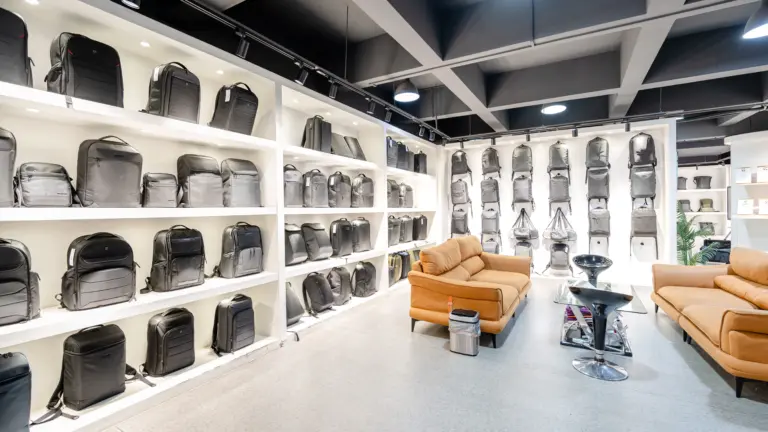
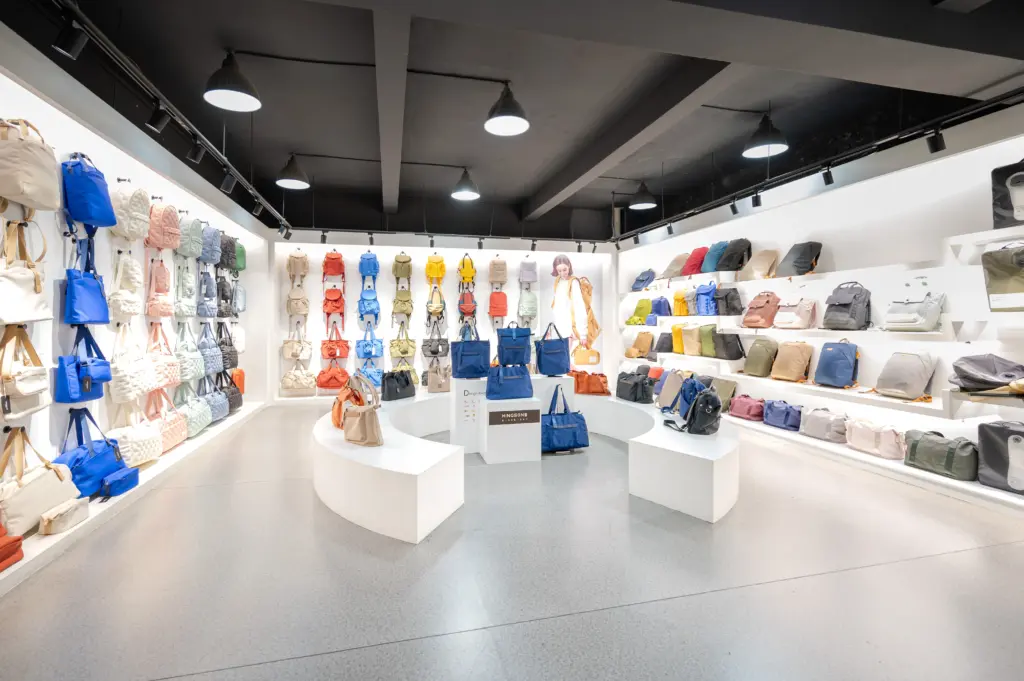
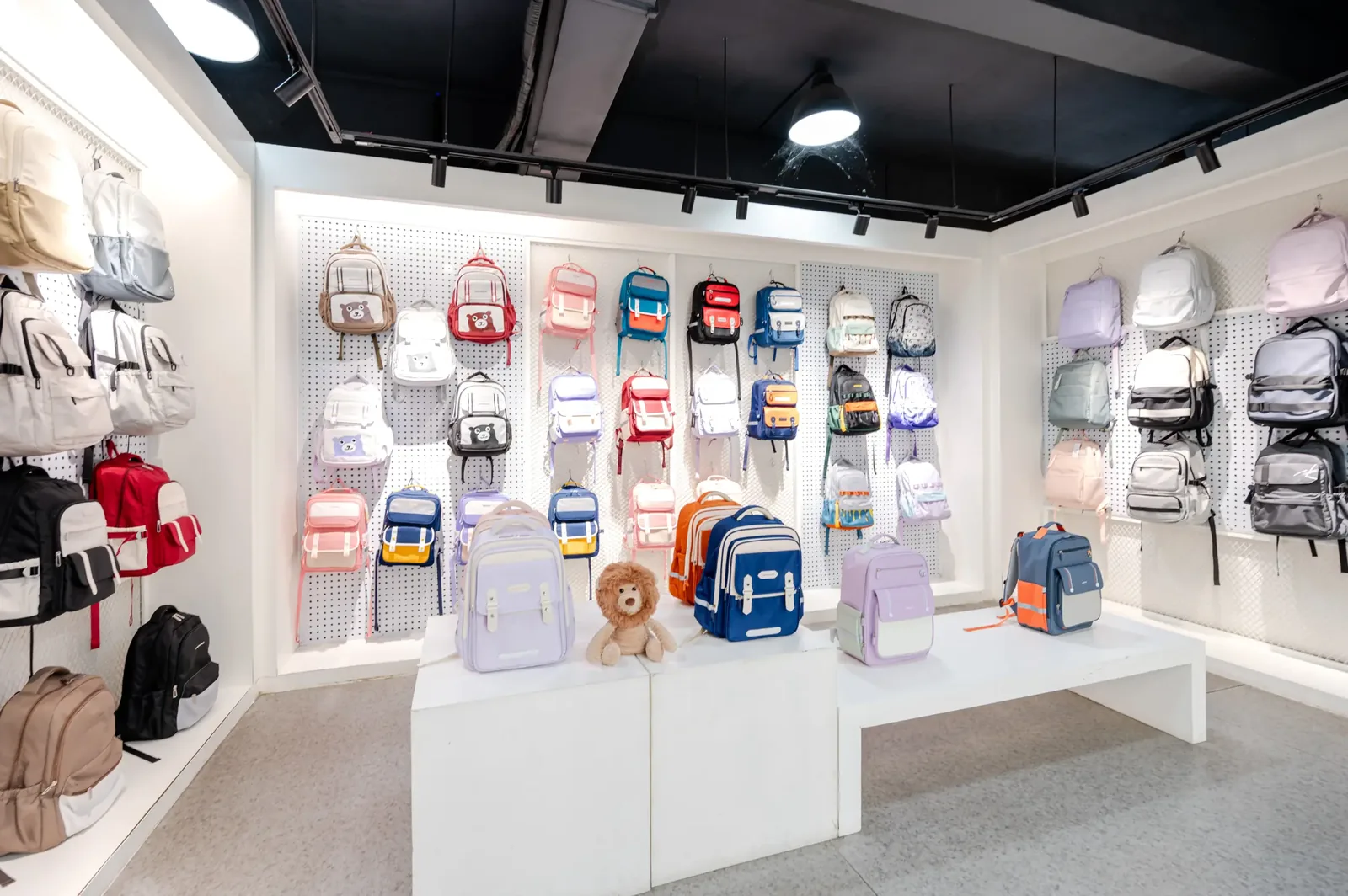
The manufacturing partner also matters. Kingsons has produced school and children’s backpack lines since 1997. Its 2025 catalog includes a dedicated 15-model school collection, supported by a campus with 20 production lines and a monthly production capacity of 300,000 unità.
Four Levels of Kids Backpack Customization at the Factory
Before requesting a quotation, identify the level of customization your program needs. Confusing these levels is one of the main reasons buyers receive higher-than-expected quotes or face missed deadlines.
| Tier | What Changes | Typical MOQ | Lead Time | Ideale per |
|---|---|---|---|---|
| 1. Per-student decoration | Names or initials applied to an existing model at finishing stage | From 200 pz (stock) / 500 pz (custom base) | Sample 7–10d · Production 30–40d | Schools, kindergartens, graduation keepsakes |
| 2. Brand identity program | Crest logo, house colors, Pantone-matched fabric and lining on a catalog model | 500 pz / colore | Sample 7–10d · Production 30–40d | School brands, academy chains |
| 3. Feature configuration | Compartment layout, back-protection system, water resistance adjusted for age group | 500 pz / style | Sample 10–15d · Production 35–45d | DTC kids brands differentiating on function |
| 4. Full bespoke OEM/ODM | New pattern engineered from your design brief; new molds and tooling | 500–1,000 pcs | Sample 15–20d+ · Production 40–50d | Established children’s brands with proprietary silhouettes |
Livello 2 e Livello 3 cover the majority of school-brand programs we see at our Guangzhou factory. If you are deciding between Level 3 e Livello 4, our companion guide to opzioni di personalizzazione dello zaino explains the different elements a manufacturer can change, including materials, hardware, marchio, and features, along with the MOQ and timeline implications.
Name Personalization: Ricamo, Trasferimento di calore, and Other Methods
Individual names and initials are usually added during the finishing stage, after the main backpack has been made. Four techniques are commonly used. The right choice depends on the font, tessuto, design, and number of unique names in the order.
| Technique | Ideale per | Durability | Cost Driver |
|---|---|---|---|
| Ricamo | Names, crests and monograms on polyester, nylon and canvas panels | Very high | Stitch count and letter count |
| Heat transfer | Multi-color names, scripts and gradients | Medio | Setup plus print area |
| Serigrafia | Large solid house crests on flat panels | Medium–high | Number of colors |
| Debossing / metal label | Premium gift-boxed editions, PU-trimmed styles | Very high | Mold fee (creditable against later orders) |
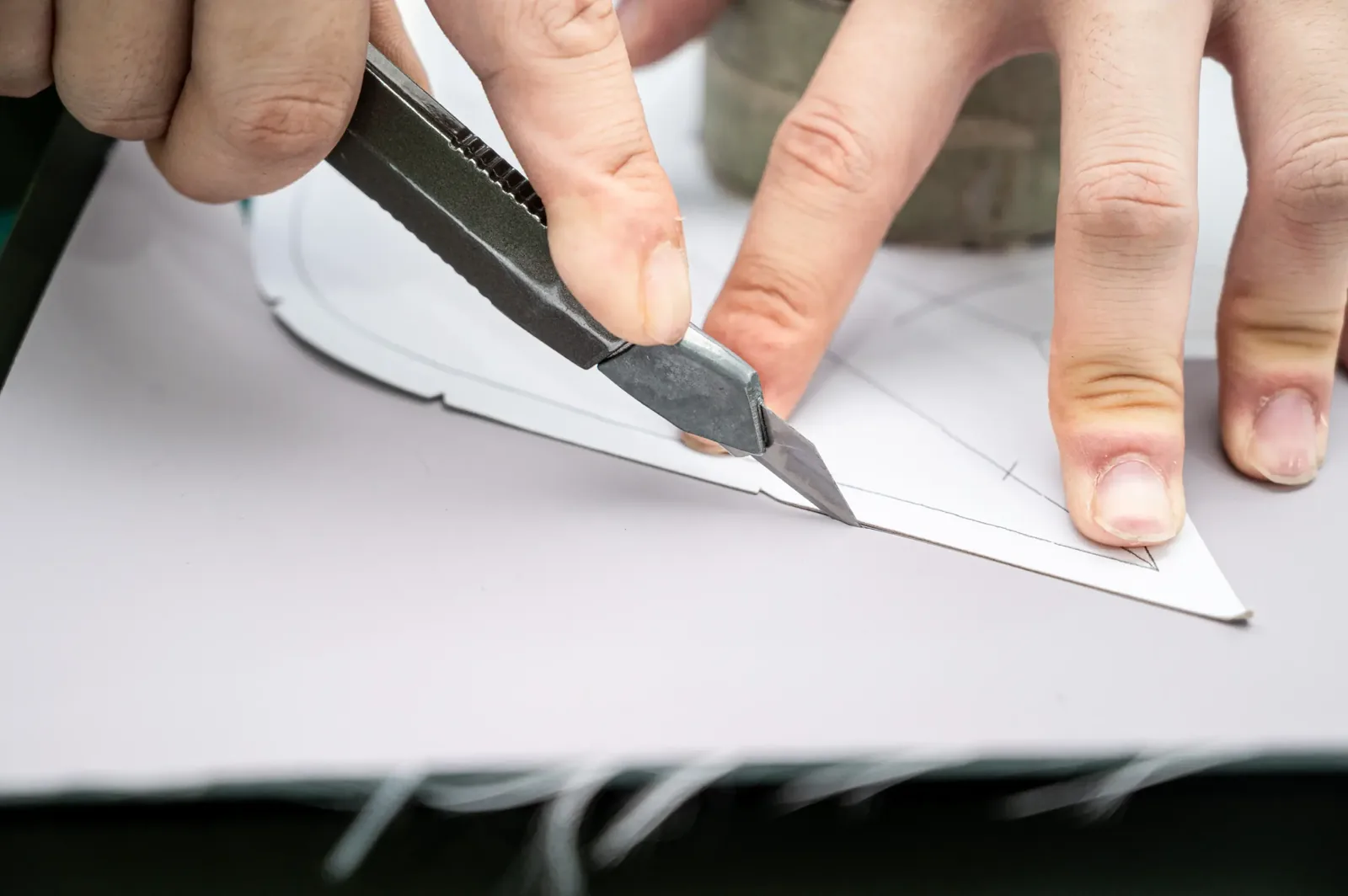
For individual-name programs, the factory works from a decoration list. You provide a spreadsheet that maps names to order quantities, and the factory schedules the embroidery or heat-transfer process accordingly.
Keep the name list final before decoration begins. Late changes are one of the most common causes of rework at this stage.
For branding beyond individual names, including crest placement, label selection, and packaging inserts, see our guide to custom logo backpack programs. For more detail on embroidery, see our guide to custom embroidered backpacks.
Materials for Children’s Backpacks: Sicurezza, Peso, and Durability
Material selection for children’s backpacks differs from that for adult bags. Weight and skin contact come first, followed by abrasion resistance and appearance.
Common materials for school programs include lightweight polyester (600D–900D), which provides structure without adding excessive weight; Oxford cloth for casual styles that need printable surfaces; and recycled rPET made from reclaimed plastic for programs with sustainability requirements. Kingsons is GRS-certified and offers rPET alongside organic cotton and biodegradable fabric options.
Three material considerations deserve attention in children’s backpack programs:
- Weight budget. An empty primary-school backpack should be lightweight. Heavier fabrics and excessive hardware can add unnecessary load to developing shoulders. Leggero, ergonomic design is a key feature of Kingsons’ school backpack lines.
- Lining and trim. Interior fabrics come into contact with the contents children carry every day. Specify the lining weight and print inks alongside the outer fabric rather than leaving these details until later.
- Compliance planning. Children’s products must meet the rules that apply in their target markets, including CPSIA in the United States, EN 71 in the EU, and comparable requirements elsewhere. Include these requirements in material selection from the beginning, and request current test documentation for the exact materials quoted.
Ergonomics and Back Protection: Features Parents Look For
Parents often pay close attention to straps that dig into their shoulders, backs that become hot, and loads that hang too low. For school brands, the carrying system is an important part of the product’s reputation and a key area for customization.
- Back-protection carry structure. Padded, contoured back panels with waist and shoulder support designed for growing spines. This is a defining feature of Kingsons’ school backpack engineering.
- Adjustable shoulder straps and chest buckles. Widened, thickened shoulder straps with adjustable lengths can be matched to the target age group. Non-slip chest buckles help keep the load high and centered.
- Breathable padding. Padding on contact surfaces helps reduce heat buildup during classes and daily commutes.
- Well-planned compartments. A practical layout with book sleeves, stationery pockets, and bottle pockets helps prevent items from shifting inside the bag. This layout can be configured in Tier 3 programs.
- Reflective accents. Reflective details on straps and panels improve visibility in low light. They are a relatively low-cost addition that schools increasingly include in their specifications.
Planning for different age groups is also worthwhile. A 6-year-old and a 12-year-old need different torso lengths, strap shapes, and load expectations. Brands that divide a product platform into two or three size tiers consistently outperform single-size programs in parent satisfaction. The additional tooling requirements are modest when these tiers are planned together.
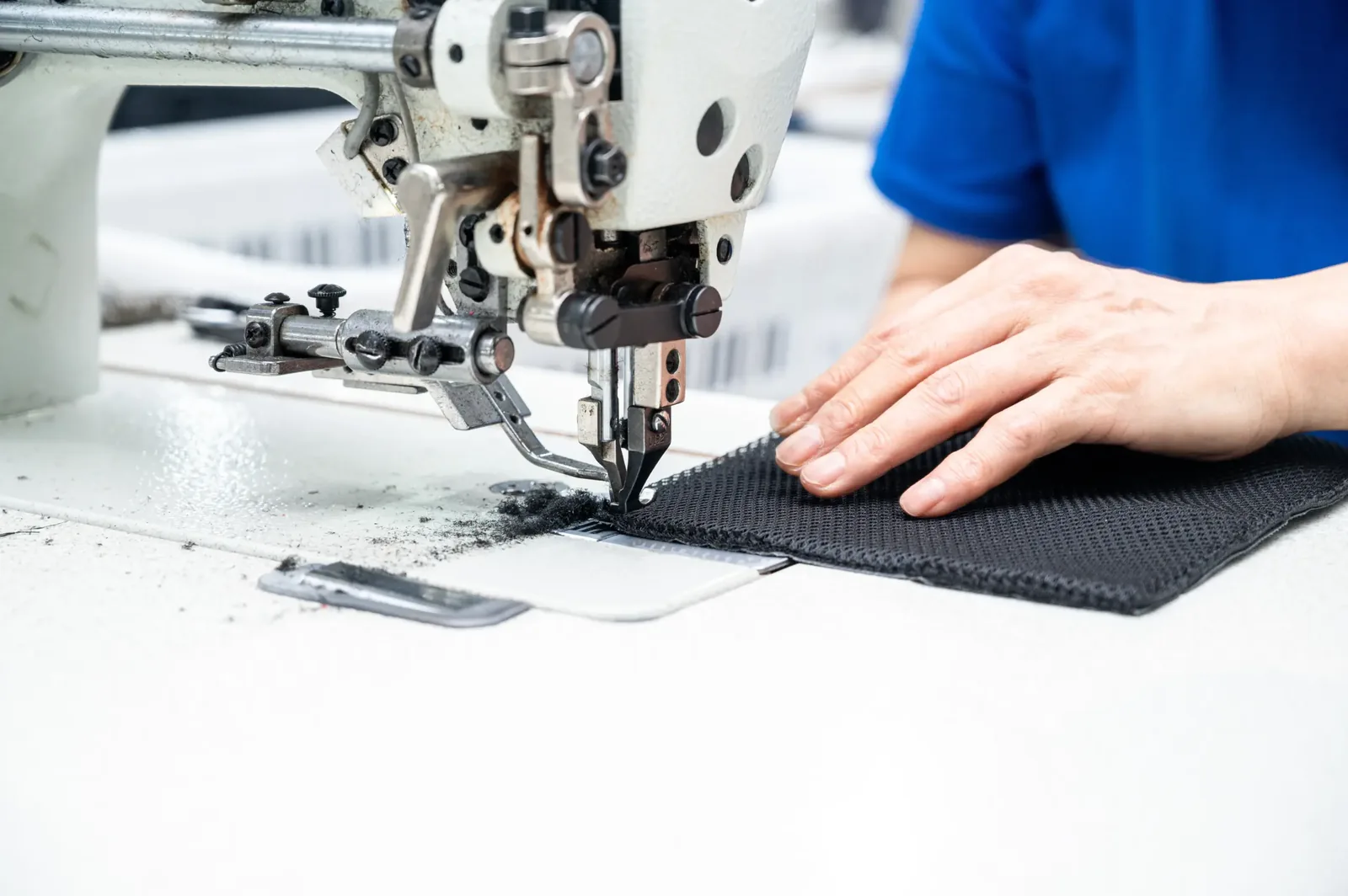
MOQ and Order Planning for School Backpack Programs
Personalization does not change the basic MOQ calculation because the base backpack determines most production requirements. Tuttavia, different customization options affect how flexibly an order can be divided.
| Program Type | Standard MOQ | Trial / Small Batch | Note |
|---|---|---|---|
| Custom base + personalization | 500 pz / style / colore | 200–300 pcs at adjusted price | Colors can be mixed within a style |
| Branded stock model (logo only) | 200 pz | — | Fastest route for first-time school programs |
| Flexible small batch | From 50 pz | — | For pilots, events and roster tests |
| Bespoke OEM/ODM silhouette | 500–1,000 pcs | Negotiable | Mold and tooling fees apply; creditable against later orders |
Two cost considerations are especially important for personalized backpacks.
Primo, individual-name decoration is priced per piece rather than per order. A 500-piece run with 500 unique names costs more to decorate than 500 bags carrying the same crest, even though the base bag price is identical.
Secondo, mixed-color orders must account for minimum quantities per color. Splitting 500 pieces across five colors at 100 pieces each is rarely practical for dyeing, so smaller programs should consolidate their color choices.
For a broader look at tooling amortization, packaging options, and payment terms, see our guide to bag manufacturing cost and MOQ. If you want to stock a branded range without commissioning custom production runs, our guide to private label backpack programs may also help.
Controllo qualità: What to Check Before Ordering Children’s Backpacks
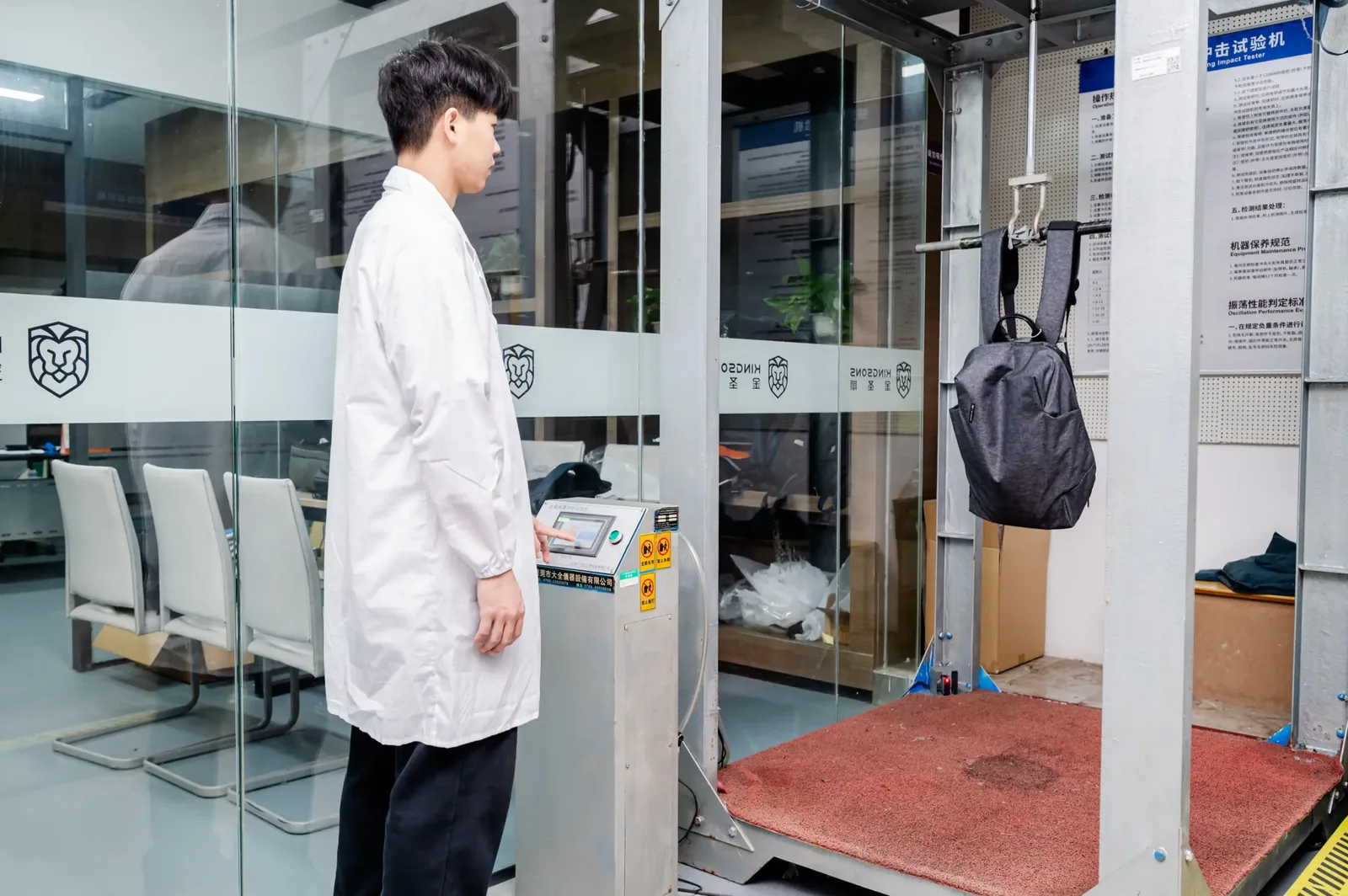
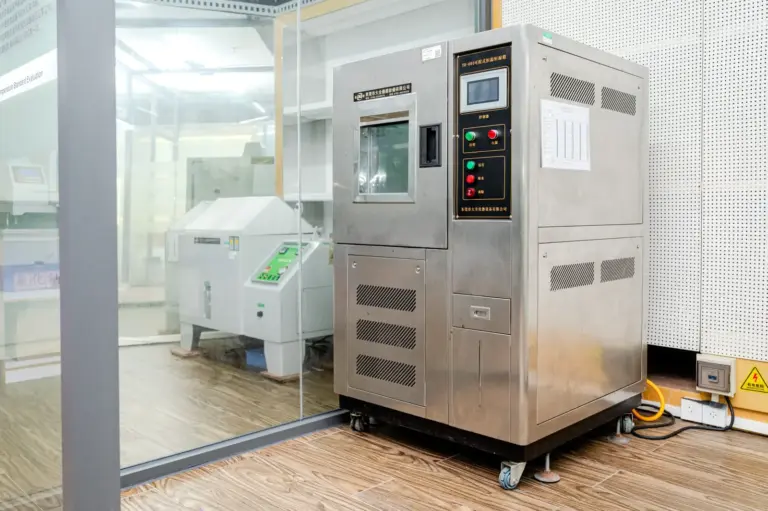
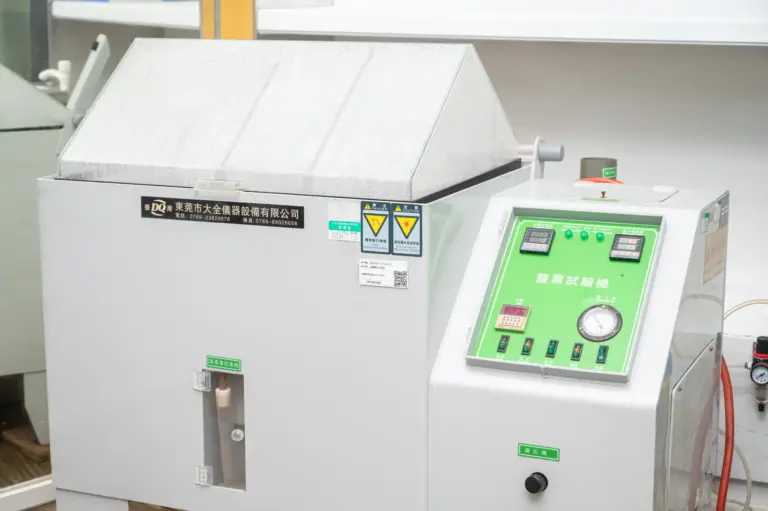
Children’s backpacks face different types of wear from adult bags, so quality checks should reflect how they are used. A factory with full-process quality control, including incoming, in-process, and final inspections, should also have suitable lab equipment to carry out the required tests.
At a minimum, ask about the following checks:
- Strap and seam tensile strength. These tests help identify weaknesses that can lead to many warranty claims in this category.
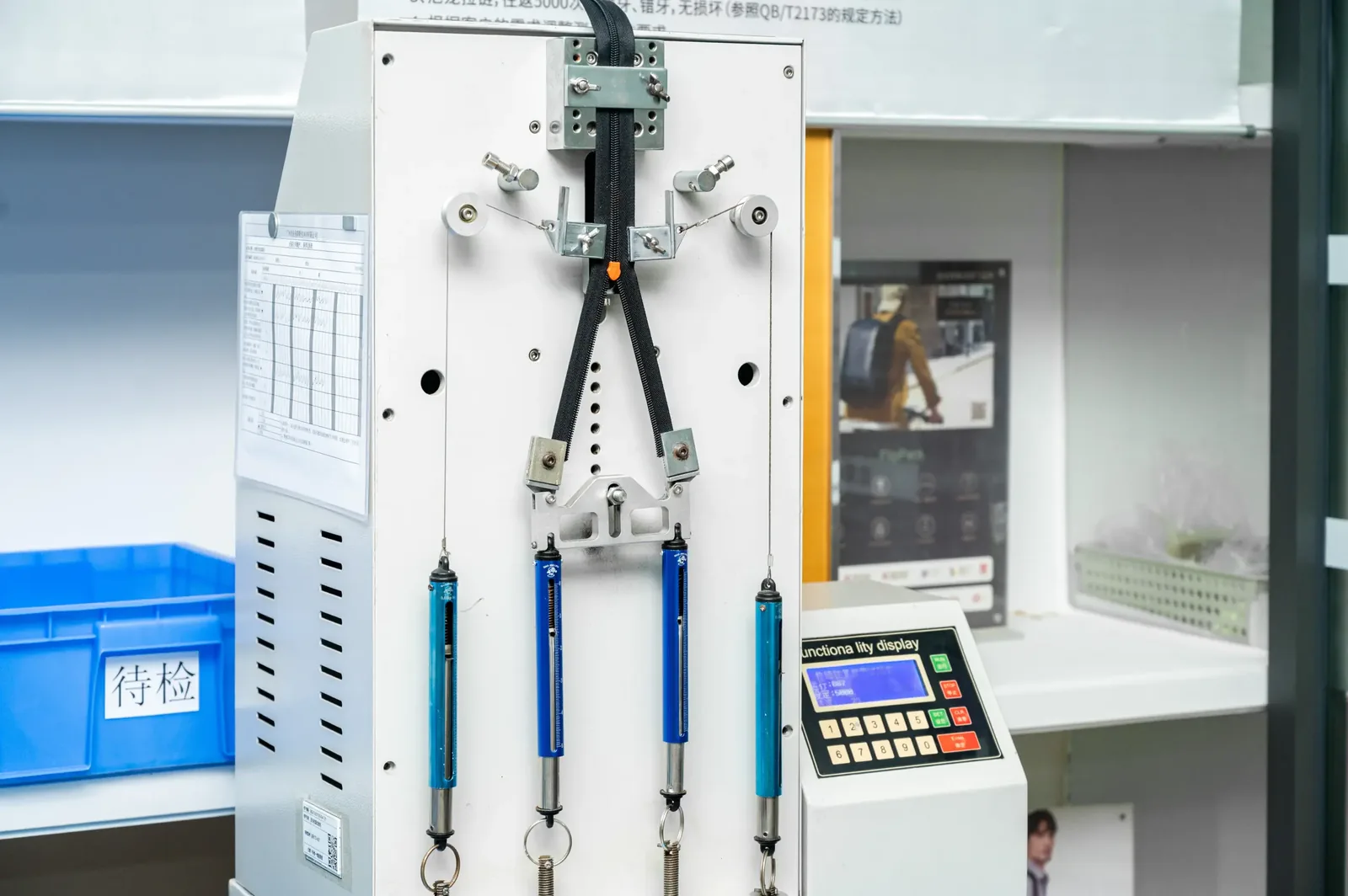
- Zipper durability. Ask for reciprocating-cycle testing on the specified zippers. Kingsons sources from SBS, SAB, and YKK.
- Color fastness to friction and washing. This is particularly important for bags with personalized names and school colors.
- Hardware salt-spray resistance. Buckles and adjusters are handled many times each day and need to withstand regular use.
- Material performance. Check weight, resistenza all'abrasione, and water resistance against the agreed specification.
Ask your manufacturer to provide the QC protocol in writing and include the acceptance criteria in the contract. A 12-month defect warranty with a defined response and resolution commitment, which is standard practice at established factories, provides additional protection if a defective batch reaches the customer.
Packaging and Retail-Ready Presentation
Standard export packaging consists of an individual polybag, an inner box containing 6–12 pieces, and a master carton.
School and gift programs often require additional packaging, such as branded polybags, non-woven sleeves, or printed gift boxes for retail counters and end-of-year keepsakes. Custom packaging has its own fees and minimum order requirements, so include these costs in the unit-cost calculation at the briefing stage rather than waiting until production is underway.
For graduation or anniversary editions, a gift box with a name card can turn the same backpack into a premium gift SKU without changing the base product.
Production Timeline: Planning Backward from Back-to-School
The back-to-school season leaves little room for delays. Inventory that misses June and July shipping may miss the sales window entirely. Work backward from the date you need the goods to arrive.
| Milestone | Working Days | Planning Note |
|---|---|---|
| Inquiry, materials and quote | Day 1–10 | Quote in 5–7 working days with complete specifications |
| Sampling and revisions | Day 7–20 | 7–10 working days standard; bespoke longer |
| Sample approval and contract | — | Lock name lists, Pantone codes and QC protocol here |
| Produzione di massa | Day 30–50 | 30–45 giorni lavorativi; 40–50 for full OEM/ODM builds |
| Controllo qualità, packing and shipping | After production | Add transit time for sea, air or express routing |
For an August start in the Northern Hemisphere, this means submitting briefs in February and March, approving samples by April, and reserving production slots for May.
Custom-dyed Pantone fabrics add 7–14 days, so color decisions should be made early. Late-spring inquiries may sometimes be accommodated through air freight or branded-stock programs, but custom base models rarely meet the schedule when orders are placed after May.

Common Mistakes When Sourcing Personalized Kids Backpacks
- Treating personalization as a product redesign. Names are usually added to an established base model during finishing. Asking for “a personalized bag” without explaining the scope can lead to a bespoke quotation that the program does not need.
- Finalizing name lists too late. Changes after decoration machines have been scheduled can cause rework fees and delays. Finalize the roster when the sample is approved.
- Ignoring age-specific sizing. Using one design for children aged 6–12 can lead to fit complaints. Plan two or three torso-size tiers instead.
- Leaving compliance until the end. CPSIA, EN 71, and equivalent requirements affect material selection. They cannot simply be addressed after production is complete.
- Dividing small orders across too many colors. Minimum dye quantities can make five colors at 100 pieces each uneconomical. Consolidate color choices where possible.
- Skipping the physical sample. Renders cannot show how straps feel, how much the bag weighs, or how well the decoration is finished. These are exactly the details parents are likely to notice.
Lista di controllo: What to Include in Your Inquiry
Providing complete information in your first inquiry can reduce quotation time from weeks to days. Prepare the following details:
- Target quantity, age groups, and destination markets, which determine the relevant compliance requirements.
- Preferred base model, either a catalog reference or a design brief for a bespoke product.
- Personalization requirements, including individual names, crest artwork in vector format with placement and size, and school colors specified by Pantone codes.
- Ranked feature priorities, such as back protection, compartments, water resistance, and reflective details.
- Compliance requirements and the test reports needed for your target market.
- Required delivery date, planned backward from sampling and production.
Send this information to a manufacturer with experience producing children’s backpacks at scale. This allows the factory to prepare a quotation based on your actual requirements rather than making assumptions about the program.
Domande frequenti
What is the MOQ for personalized kids backpacks?
A custom base model runs 500 pezzi per stile per colore, with colors mixable within the style. Gli ordini di prova di 200–300 pezzi sono negoziabili a un prezzo adeguato, flexible small batches start from 50 pieces for pilots and events, and logo-only runs on a branded stock model start at 200 pezzi.
How are names added to each backpack?
Names and initials are applied at the finishing stage — most often by embroidery, with heat transfer for multi-color scripts and screen printing for large crests. You supply a name-to-quantity list, the factory sequences the decoration machines, and the base bag is otherwise unchanged.
How long does a school backpack program take?
Il campionamento richiede 7–10 giorni lavorativi e la produzione in serie 30–45 giorni lavorativi, with full OEM/ODM builds at 40–50 days. La tintura Pantone personalizzata aggiunge 7-14 giorni. For an August back-to-school launch, brief the factory by February or March.
Are the materials safe for children?
Materials can be specified to meet your market’s children’s product rules — CPSIA in the US, EN 71 in the EU — and GRS-certified recycled fabrics are available for sustainability requirements. Build compliance into material selection at the start and request current test documentation for the exact materials quoted, locking reports to the bill of materials in your contract.
Can I mix colors and sizes within one order?
Colors can be mixed within a style against the 500-piece total, but each color still needs an economical dye quantity — splitting 500 pieces across five colors at 100 each is rarely viable. Age-tiered sizes are better handled as separate styles planned together so tooling and materials are shared.
Do you provide samples before mass production?
Yes — stock samples are provided free, with new customers covering shipping; sample and freight costs are refunded once bulk production is confirmed. Custom samples take 7–10 working days, and a physical pre-production sample should always be approved for strap feel, weight and decoration quality before the run starts.
Kingsons builds school and children’s backpack programs on a 50,000 m² campus with 20 linee di produzione, 300,000 units monthly capacity and full-process QC — from per-student name embroidery to bespoke age-tiered silhouettes.
MOQ da 500 pcs/style · Trial orders 200–300 pcs · GRS-certified eco materials · 12-month warranty · ISO9001/BSCI/SEDEX certified