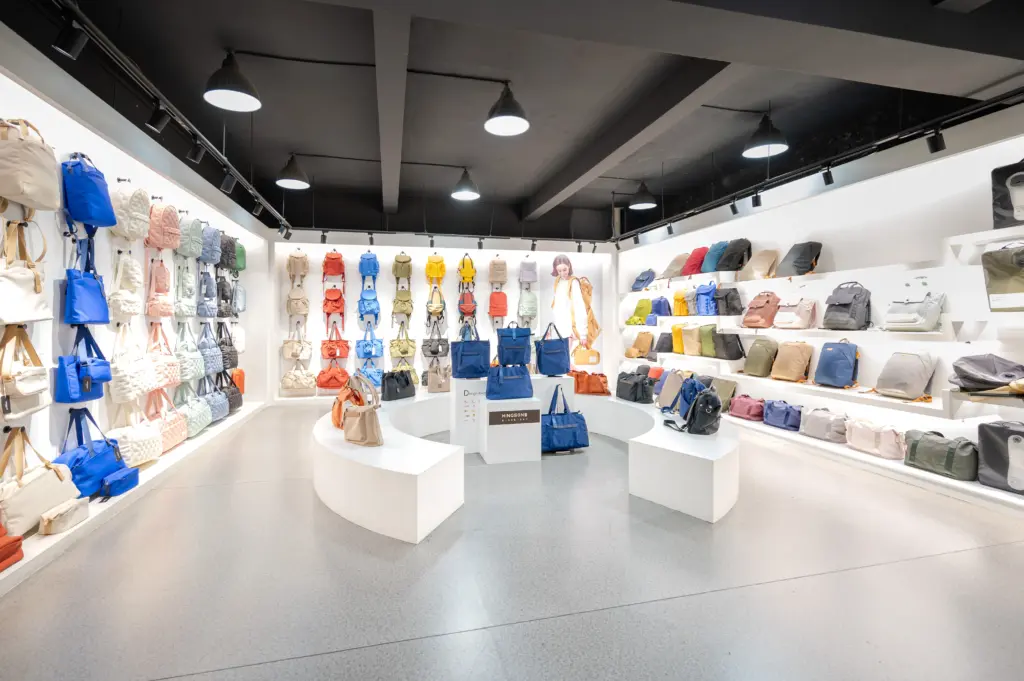
Every handbag brand hits the same wall: the trading company that supplied your first hundred units cannot make the second thousand to the standard customers now expect. Moving to a genuine private label factory is where quality, margin and lead time are won — but a site full of polished samples says little about holding tolerance across 3,000 単位.
Written for fashion brands, boutiques and DTC sellers buying at volume, this guide covers where handbag manufacturers cluster, how to spot a real factory, the six-point vetting process, and the questions that expose capability gaps before you commit a deposit.
重要なポイント
- Handbag supply splits into three tiers — trading companies, small jobbing workshops and integrated OEM/ODM factories — and only the third reliably holds quality and lead time at volume.
- The single fastest vetting test is the material and hardware walk: ask what leather, lining, zippers and metal fittings a factory uses and where they source them.
- Confirm in-house capability across cutting, 縫い, decoration and QC; outsourced steps are where handbag quality most often slips between orders.
- Request a pre-production sample in your specified leather or PU and hardware, then inspect stitching density, edge finishing and symmetry, not just the photo.
- Working MOQ for a private label handbag is typically 500 pieces per style per colour, with trial orders negotiable and small flexible runs from 50 for tests.
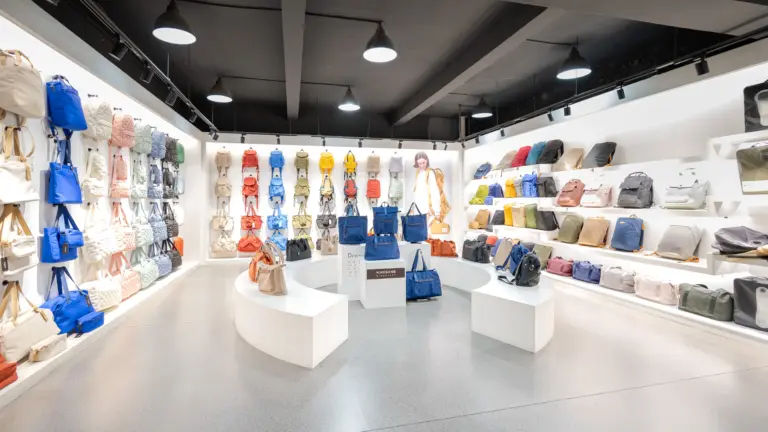
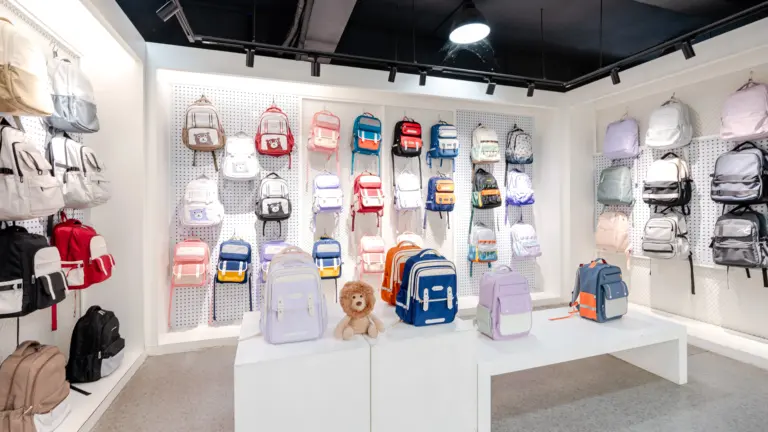
- Kingsons has manufactured bags since 1997 across a 50,000 m² Guangzhou campus with 20 生産ライン, 300,000 units a month and in-house leather, hardware and craft workshops.
Where Handbag Manufacturing Actually Happens
Before you vet individual suppliers, understand the map. Global handbag output concentrates in a handful of clusters, each with a different cost, skill and material profile. China remains the deepest for leather goods and hardware supply chains, Vietnam and Cambodia for factory-built volume, India and Pakistan for embroidered and decorative work, and Italy for high-end tannery leather.
Within China, the Guangzhou–Shiling region in Guangdong province is the country’s leather-goods heartland, sitting on top of a dense network of tanneries, zip and buckle suppliers, and metal-plating shops. That proximity matters: a handbag factory embedded in the cluster can source a matching metal clasp or a specific PU in days, while an isolated workshop quotes two extra weeks and a higher minimum. Kingsons operates from this cluster at Shiling, 花都区, which is why material and hardware lead times on custom handbags are short.
| Supplier Tier | What They Are | 最適な用途 | Main Risk |
|---|---|---|---|
| Trading company | Office that resells other factories’ output | Small mixed orders, catalogue models | No process control, quality varies by hidden subcontractor |
| Jobbing workshop | 10–40 machines, few dedicated QC staff | Prototypes, short runs | Capacity ceiling, inconsistent finishing at scale |
| Integrated OEM/ODM factory | In-house cutting, 縫い, craft, 品質管理, testing | Private label, repeat volume, custom design | Higher MOQ, needs a clear tech pack |
Ask one question that separates tier one from tiers two and three: may I visit or video-walk the sewing floor and the material store? A trading company will route you to a “partner site” on a date that never quite gets booked. A real factory will open the doors.
The Six-Point Factory Vetting Process
Vetting is not a single gut call but a sequence of checks, each filtering a different failure mode. Work them in order; the earlier, cheaper checks eliminate the suppliers who would waste your sampling budget later.
- Business legitimacy. Confirm the entity, years in operation and export history. A company trading under one name but invoicing through another, or unable to state a factory address, is a middleman.
- Category fit. A backpack line is not a handbag line. Ask specifically how many handbag, tote and shoulder-bag styles they have shipped, and to which markets.
- Material and hardware sourcing. Where does the leather, PU, lining, webbing, zipper and metal come from? Named, reputable suppliers signal a real production supply chain.
- In-house versus outsourced steps. Map which of cutting, 縫い, edge finishing, decoration and QC happens under the same roof.
- Quality system. What inspections happen at goods-in, in-process and pre-shipment, and against what standard?
- Commercial terms. MOQ, sampling time and cost, production lead time, payment structure and warranty — all in writing before a deposit.
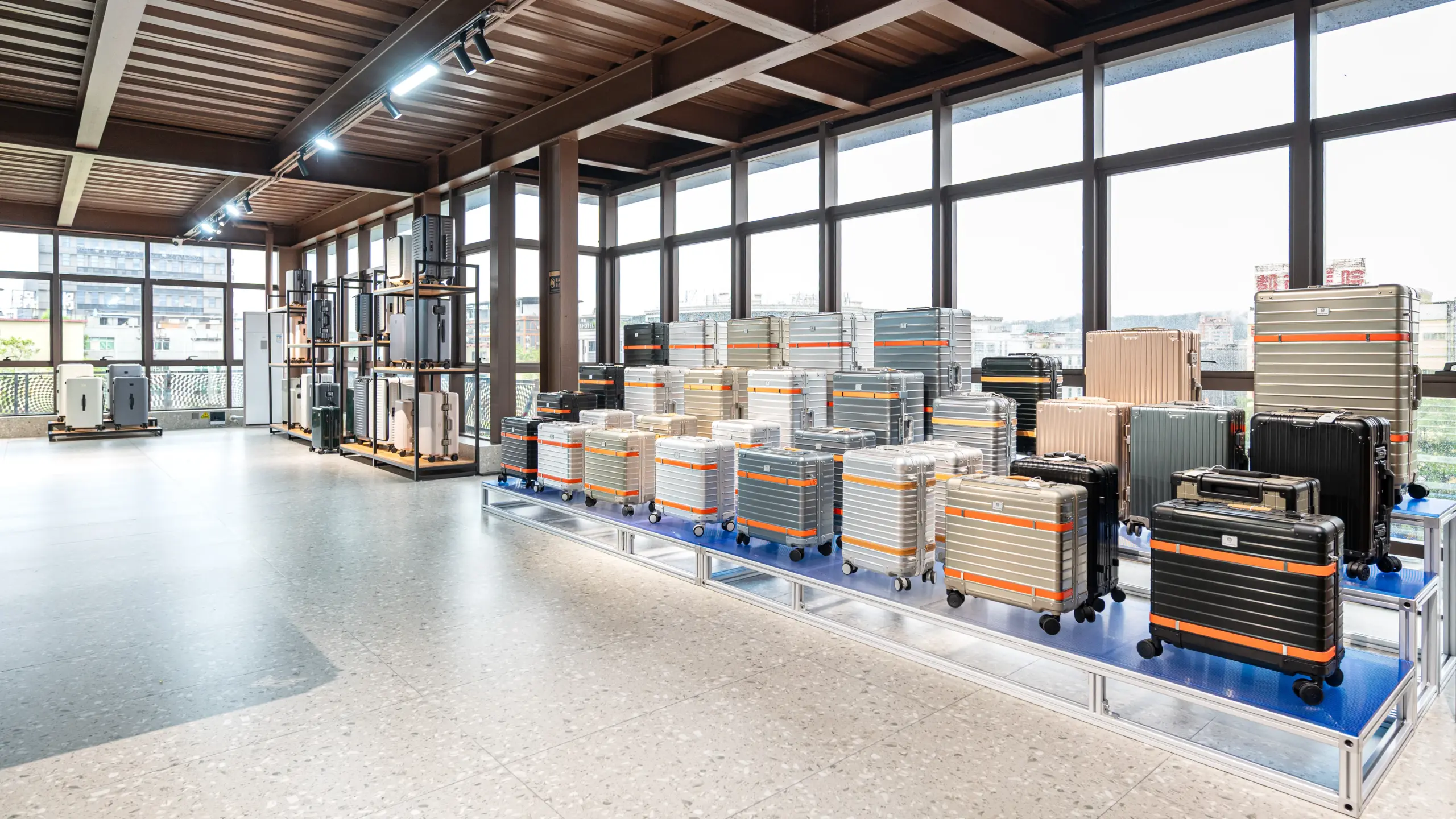
Points three and four are the ones most buyers skip and most regret. For a deeper look at supplier categories, our overview of the types of bag manufacturers explains how each one behaves differently on a custom order.
Judging Materials and Hardware — the Real Quality Signal
A handbag is mostly perceived quality: how the leather or PU feels, whether the metal has weight and a clean finish, whether the zipper runs smoothly and whether the edges are sealed. Those attributes are decided by material and hardware choices, so make a supplier name them.
Leather and Synthetic Options
| 材料 | Character | Cost Band | Typical Use |
|---|---|---|---|
| Cowhide (full/grain or top) | 耐久性のある, develops patina, heavier | High | Premium totes, structured top-handle bags |
| Sheepskin / lambskin | Soft, supple, delicate surface | High | Clutches, luxury-look flaps |
| PU synthetic leather | Consistent, easy-clean, priceable | Medium | Fashion handbags, private label at volume |
| PVC | Stiff, glossy, economical | Low | Entry-price statement pieces |
| Coated canvas / ナイロン | Light, water-resistant, 耐久性のある | Medium | Casual shoulder and crossbody bags |
A factory embedded in a tanning and hardware cluster can specify imported Korean leather and quality PU, backed by recognised zip and buckle brands. Kingsons sources zippers from YKK, SBS and SAB and metal hardware from SFS and ITW, with fittings finished by hand-plating and hand-polishing — a detail that shows up immediately in how a clasp feels in the hand. Ask any supplier who makes their metal; the answer tells you the tier.
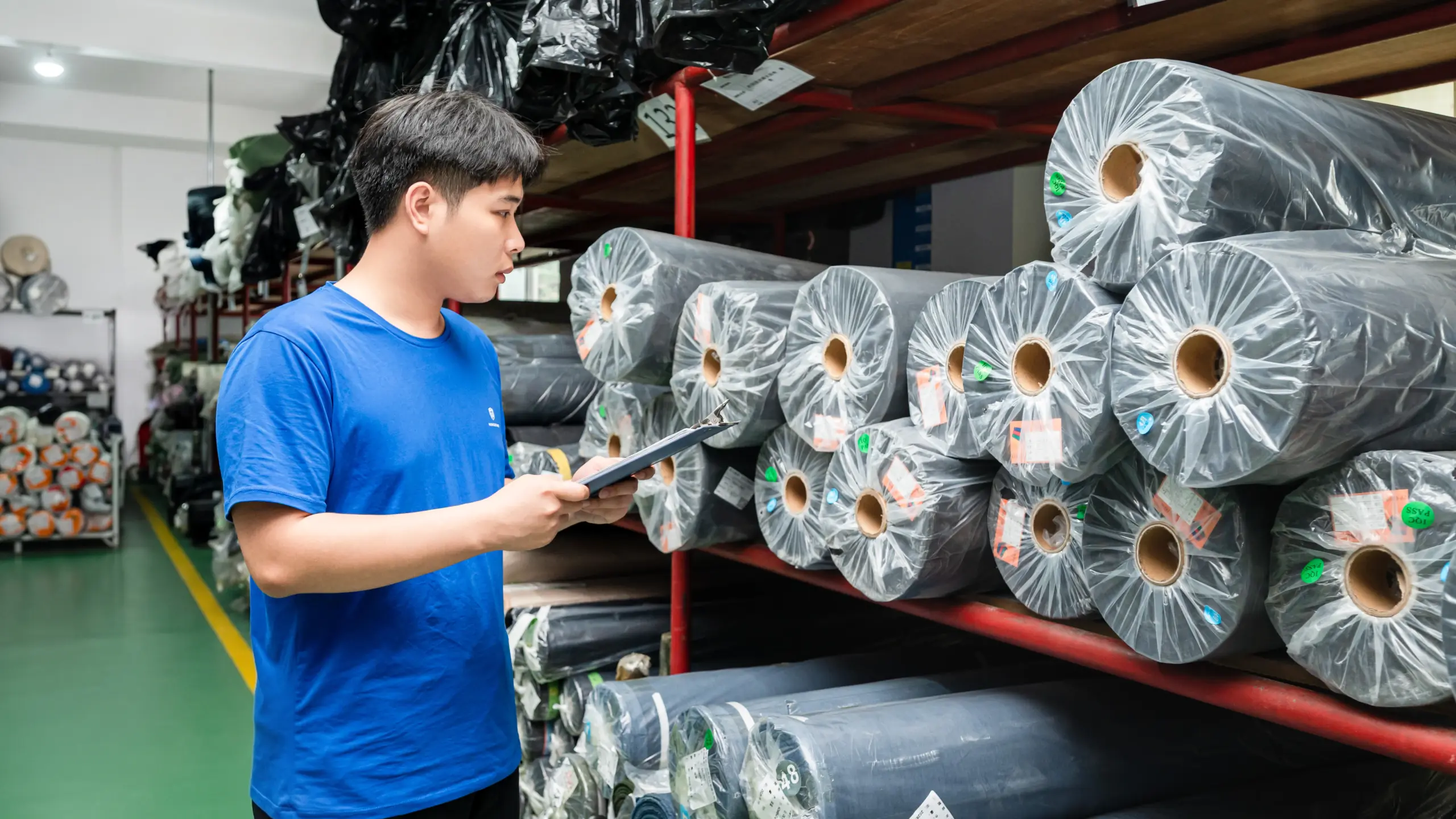
For the full trade-off logic behind fabrics and trims, 私たちのを参照してください bag materials guide.
Confirming In-House Capability
Handbags fail consistency when the process is split across subcontractors — one shop cuts, another sews, a third plates the hardware, and nobody owns the tolerance. A private label program needs the sequence under one roof so that the same standard applies to unit 5 and unit 5,000.
- 切断. Automated or laser cutting of panels keeps parts dimensionally consistent; hand-only cutting drifts.
- Sewing. ステッチ密度 (SPI), back-tacking at stress points, and consistent seam allowance.
- Edge and structure. Skiving, edge paint or heat-seal on leather; interliners and shaping for structured silhouettes.
- Decoration. In-house embossing, foil, metal-label and embroidery lines apply branding cleanly and to position.
- QC and packing. Goods-in, in-line and final inspection, then folding, stuffing and boxing.
Kingsons runs dedicated research-and-development, 切断, 縫い, craft and quality workshops within the 50,000 m² campus, staffed across 20 production lines and a 500-person team (420 in production). When you tour the floor, count how many of those five steps you can see physically connected.
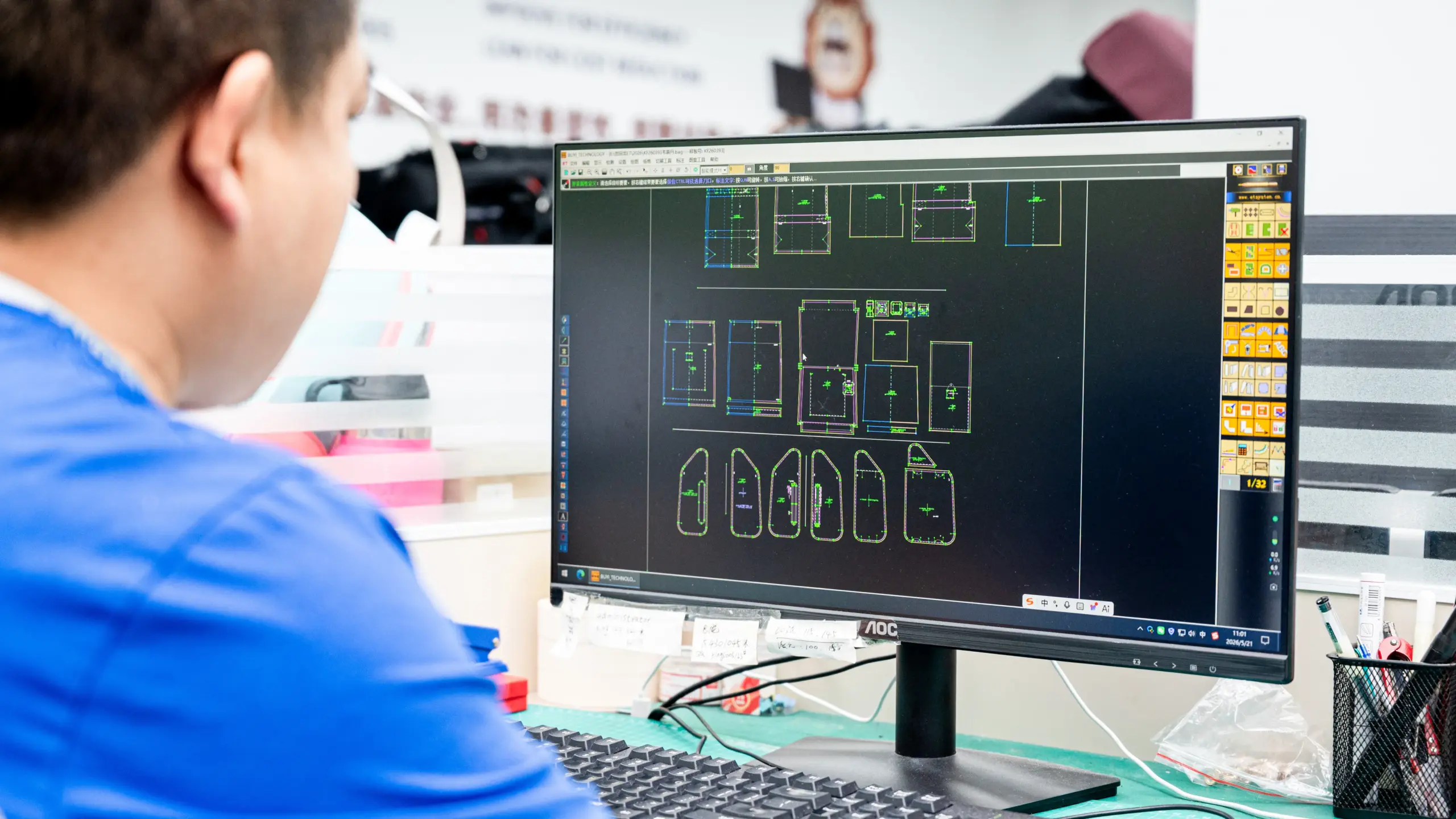
If you need a factory that can also design, ask about their development capability. Kingsons’ team of designers and materials specialists supports full ODM development from a concept brief, which is what separates a manufacturer that can build your idea from one that can only stamp your logo onto a stock shape.
What the Sample Should Prove
Never judge a handbag factory from photographs. The pre-production sample is where every claim gets tested. Order it in the exact material, 色, hardware and lining you intend to buy, and inspect against a checklist rather than overall impression.
- ステッチ. Even SPI, straight lines, no skipped stitches on curves and corners.
- Symmetry. Panels aligned, handle heights matched, flaps centred.
- Edges and finish. Clean edge paint, no glue bleed, no scarring on leather.
- ハードウェア. Smooth zipper action, clasp that closes firmly, no plating marks.
- Structure. Holds its intended shape; base and gussets square.
- ブランディング. Logo method applied to position and legible at retail distance.
Sampling typically takes 7–10 working days once materials and artwork are agreed. Treat the sample round as a two-way test — you are also judging how the factory communicates, how precisely it follows a spec, and how fast it revises.
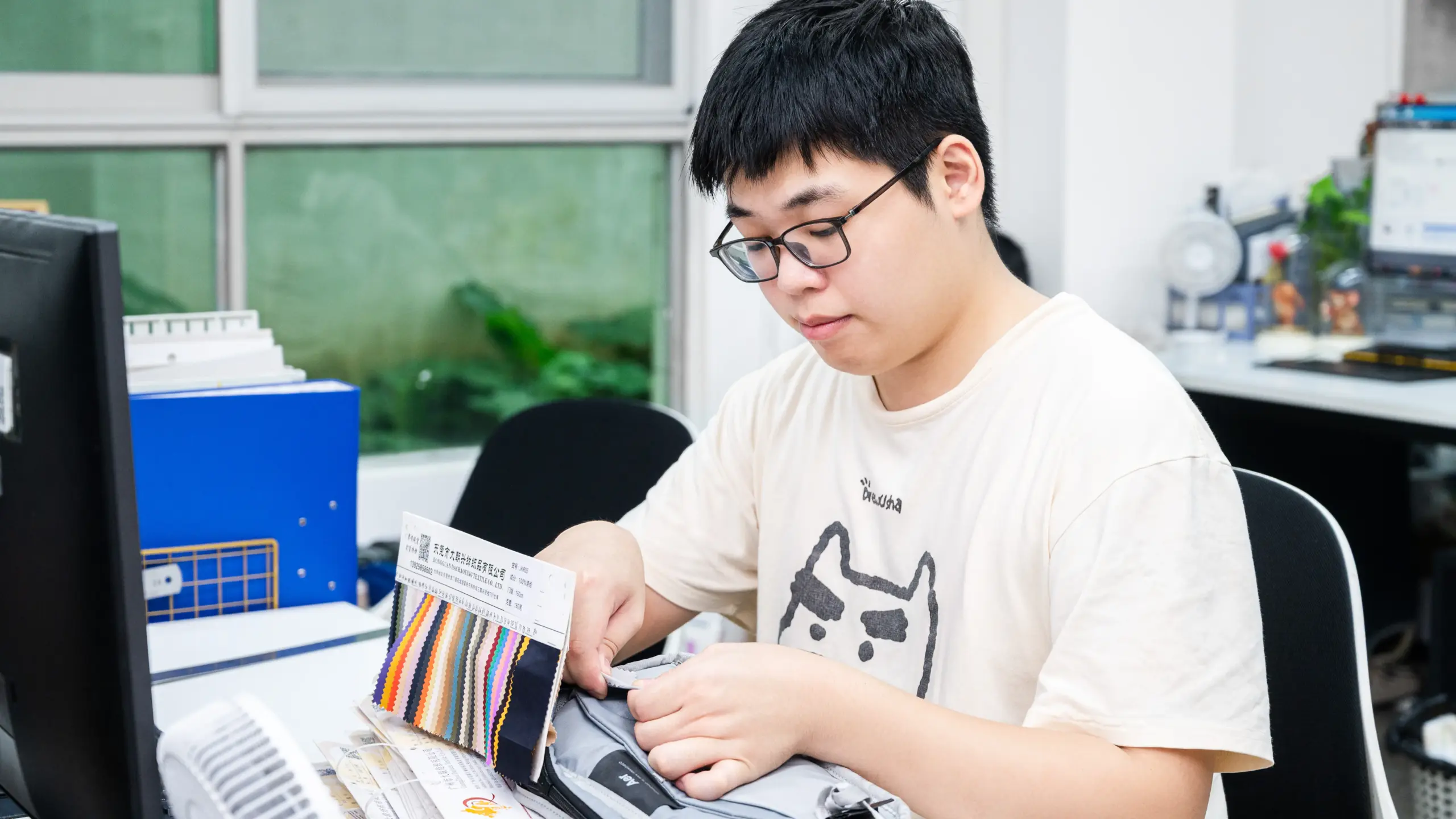
Send a proper specification up front to keep the sample round short. Our bag tech pack guide lists the drawings and details that stop costly back-and-forth.
Quality Systems and Certifications That Matter
A credible handbag factory can describe its inspection gates, not just promise “good quality.” Ask what is checked at goods-in on materials, what happens in-line at sewing, and how the pre-shipment inspection is defined — usually an AQL level with sampling size and acceptable defect thresholds.
Third-party systems add assurance for the compliance side of B2B buying. Factory-management certifications such as ISO9001 (品質), ISO14001 (環境) そして ISO45001 (occupational health and safety) show documented process control, while BSCI そして 三つ cover social and ethical auditing that major Western retailers require, そして GRS verifies recycled content claims. Kingsons holds all of these and has passed Walmart’s factory audit. Certifications do not make a better handbag on their own, but they make a supplier’s processes inspectable and repeatable.
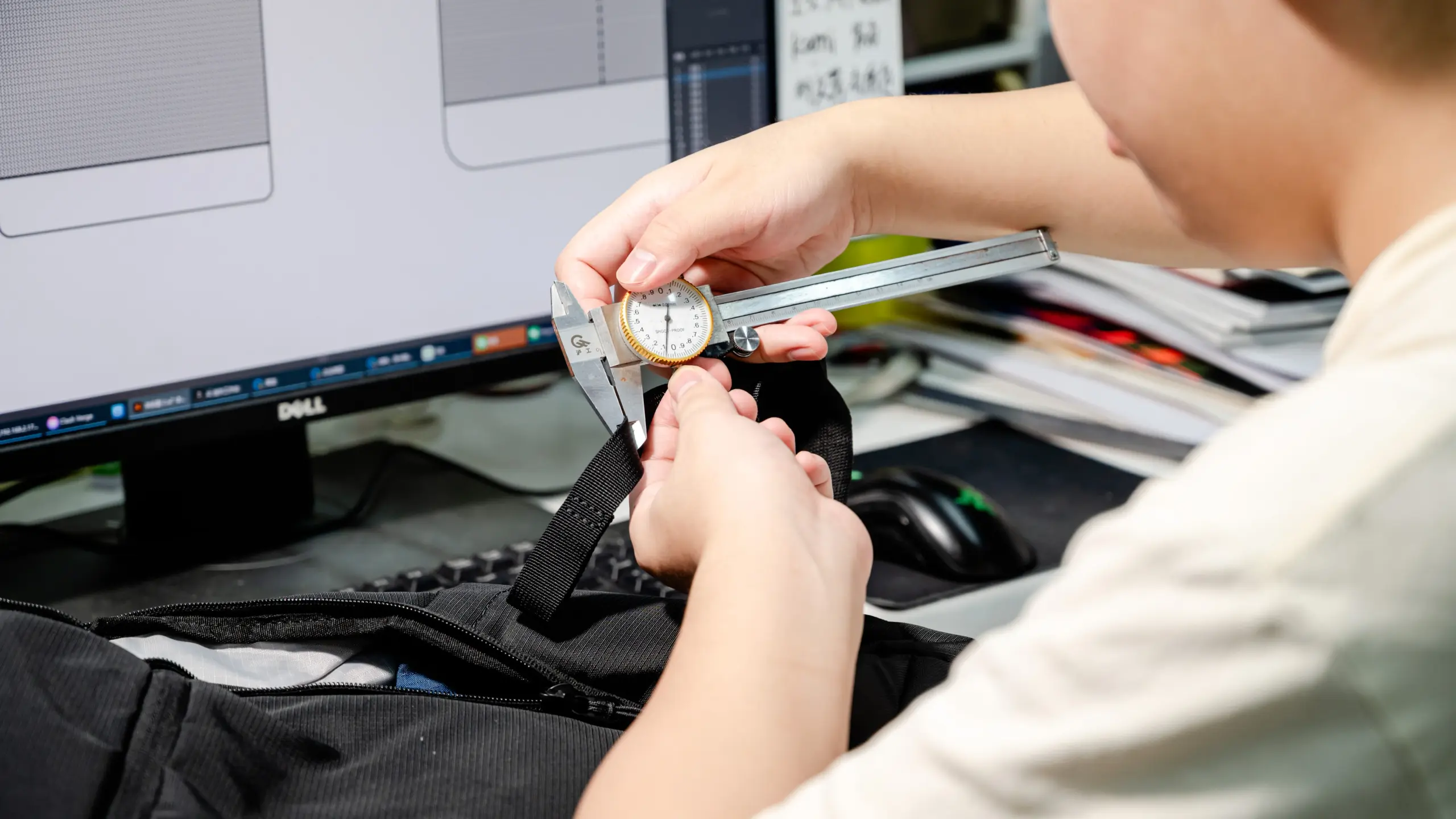
For what to test and why, our quality control and testing guide walks through the specific tests a well-run factory performs on hardware and materials.
MOQ, Lead Time and Commercial Red Flags
Commercial terms are where a promising supplier quietly becomes unworkable. Understand the realistic numbers before negotiating.
| Item | Typical Handbag Reality | Notes |
|---|---|---|
| Custom MOQ | 500 pcs per style per colour | Colour count multiplies the effective minimum |
| Trial order | 200–300 pcs, price adjusted | Use to test a new style before a full run |
| Flexible / test run | から 50 個 | Brand tests, capsule drops, events |
| Sample time | 7–10 working days | Longer if new tooling or bespoke hardware |
| Mass production | 30–45 working days | Plus sea or air transit to your market |
Kingsons’ standard custom MOQ of 500 pieces per style per colour sits at roughly half the 1,000-piece minimum common among established peers, with small flexible runs from 50 pieces for tests and events. Mould and tooling charges are billed up front but credited against later orders.
Watch for these red flags: a quote that changes every time you ask, refusal to put MOQ and lead time in writing, prices that fall far below material cost (something in the leather or hardware will be substituted), no defined sample gate, and payment demanded 100% before any production photo. A trustworthy factory works on a 30% deposit and balance before shipment, and welcomes inspection.
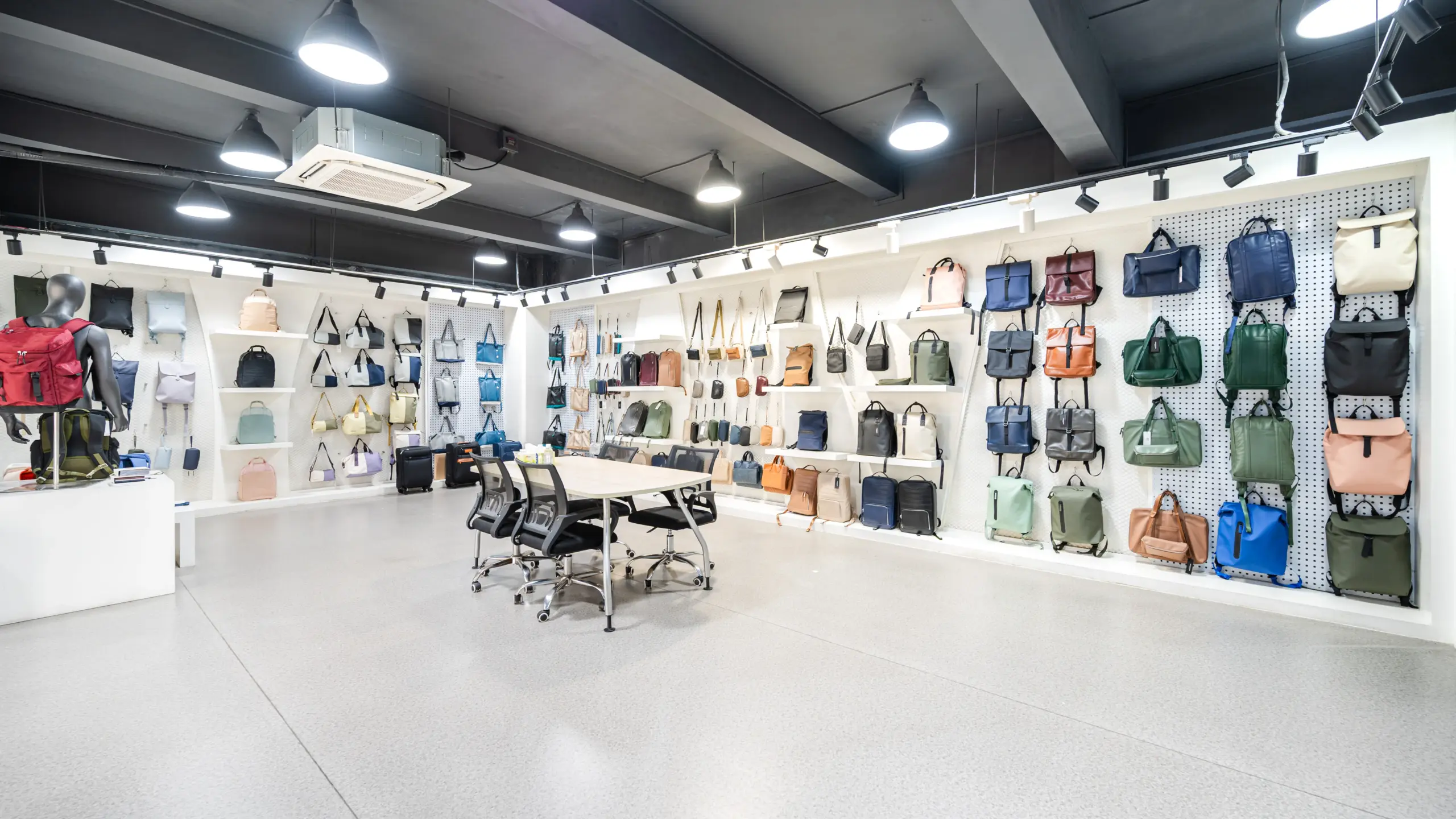
Clarify terms in the contract before any deposit. If you are weighing a first order against a longer partnership, our manufacturer vetting checklist そして guide to bag manufacturing cost cover the negotiation points that protect margin.
よくある質問
よくある質問
How do I know if a handbag supplier is a real factory or a middleman?
Ask to see the sewing floor and material store, on site or by live video, and ask who supplies their leather, zippers and metal. A genuine factory shows connected production steps and names its component suppliers; a trading company routes you to a “partner site” that is never quite bookable and speaks in catalogue terms rather than process terms.
What is a realistic MOQ for a private label handbag?
Around 500 pieces per style per colour is standard for a genuine custom run, with trial orders of 200–300 negotiable at an adjusted price and small flexible runs from 50 pieces for brand tests and events. Because each colour is a separate dye and cutting run, colour count multiplies the real minimum more than total quantity does.
What should I check on a handbag sample before ordering?
Judge stitching density and straightness on curves, panel symmetry and matched handle heights, edge finishing with no glue bleed, smooth zipper and firm clasp action, whether the bag holds its intended shape, and that your logo method is applied cleanly to position. Order the sample in the actual material, colour and hardware you intend to buy, not a stand-in.
Which certifications should a handbag factory have?
Factory-management systems such as ISO9001, ISO14001 and ISO45001 show documented process control, while BSCI and SEDEX cover the social and ethical audits major Western retailers require and GRS verifies recycled-content claims. Kingsons holds these and has passed Walmart’s factory audit. Certifications do not make a better bag alone, but they make a supplier’s processes inspectable and repeatable across orders.
How long does handbag production take?
A pre-production sample typically takes 7–10 working days once materials and artwork are agreed, and mass production runs 30–45 working days, longer if the design needs new tooling or bespoke hardware. Add sea or air transit to your market, so total lead time is planned backwards from your required delivery date and confirmed in the contract.
Can a factory design a handbag from my concept, not just copy one?
はい, if they offer ODM development. An in-house design, pattern and materials team can turn a mood, sketch or market brief into a manufacturable production pattern with your chosen structure, hardware and branding. Full bespoke development usually carries a higher MOQ and tooling cost than adapting an existing shape, so decide which model your volume and differentiation actually need before you brief a factory.
Vet your next handbag partner against a factory that controls leather, ハードウェア, 切断, 縫い, decoration and QC under one roof — with 27 years of OEM/ODM experience and a 50,000 m² campus producing 300,000 units a month.