
A parent typing “backpack with wheels for my kid” is solving one problem: a heavy load, a short back, and a walk that should not strain a growing spine. But wheeled and ergonomic kids’ bags are two different answers, and buyers who treat them as one line get the wrong spec — a trolley too heavy to lift, or a backpack whose wheels never work on terrain.
This guide is for product brands and retail buyers specifying kids’ wheeled and ergonomic backpacks: which carry system fits which use, and the specs that separate a good product from a returns magnet.
주요 시사점
- Wheels and ergonomics solve different problems: a wheeled bag shifts load to the ground for rolling on smooth surfaces, while an ergonomic backpack distributes load across the shoulders and back for stairs, uneven routes and active days.
- For most young children, a well-fitted ergonomic backpack is the safer default; a wheeled option earns its place for predictable, smooth-surface hauls like travel or a flat walk to school.
- Specify the wheeled system hard — wheel diameter and material, telescopic handle gauge and button, frame reinforcement and total empty weight — because a trolley a child cannot lift or that snags defeats the purpose.
- Specify the ergonomic system by fit: age-band sizing, padded adjustable straps, a contoured load-distributing back panel, light construction and a load kept near 10–15% of body weight.
- Both are children’s products, so CPSIA material-safety and durability rules apply, and the wheeled mechanisms and hardware need mechanical testing of their own; Kingsons spans school backpacks and luggage, so it can build either to spec.
Two carry systems, two jobs
The single most important buying decision is matching the carry system to the actual route a child takes. Wheels and a padded back are not interchangeable features on the same product; they optimise for different conditions.
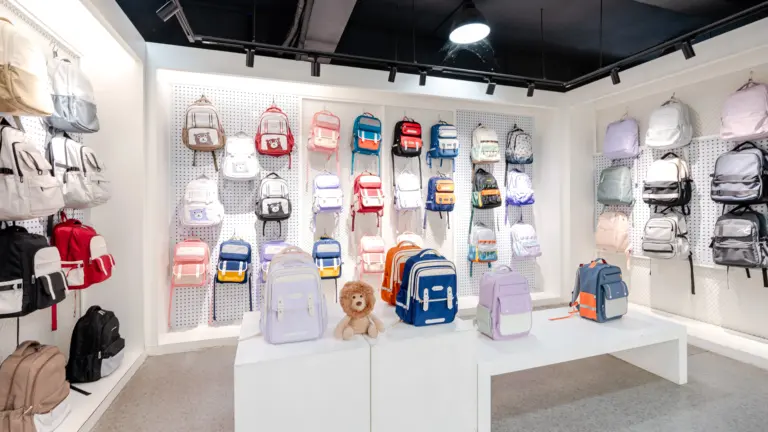
- Ergonomic backpack — load is carried on the body, distributed across shoulders and back. It handles stairs, crowds, mud, gravel, bike racks and being thrown in a locker. This is the flexible default for most school days.
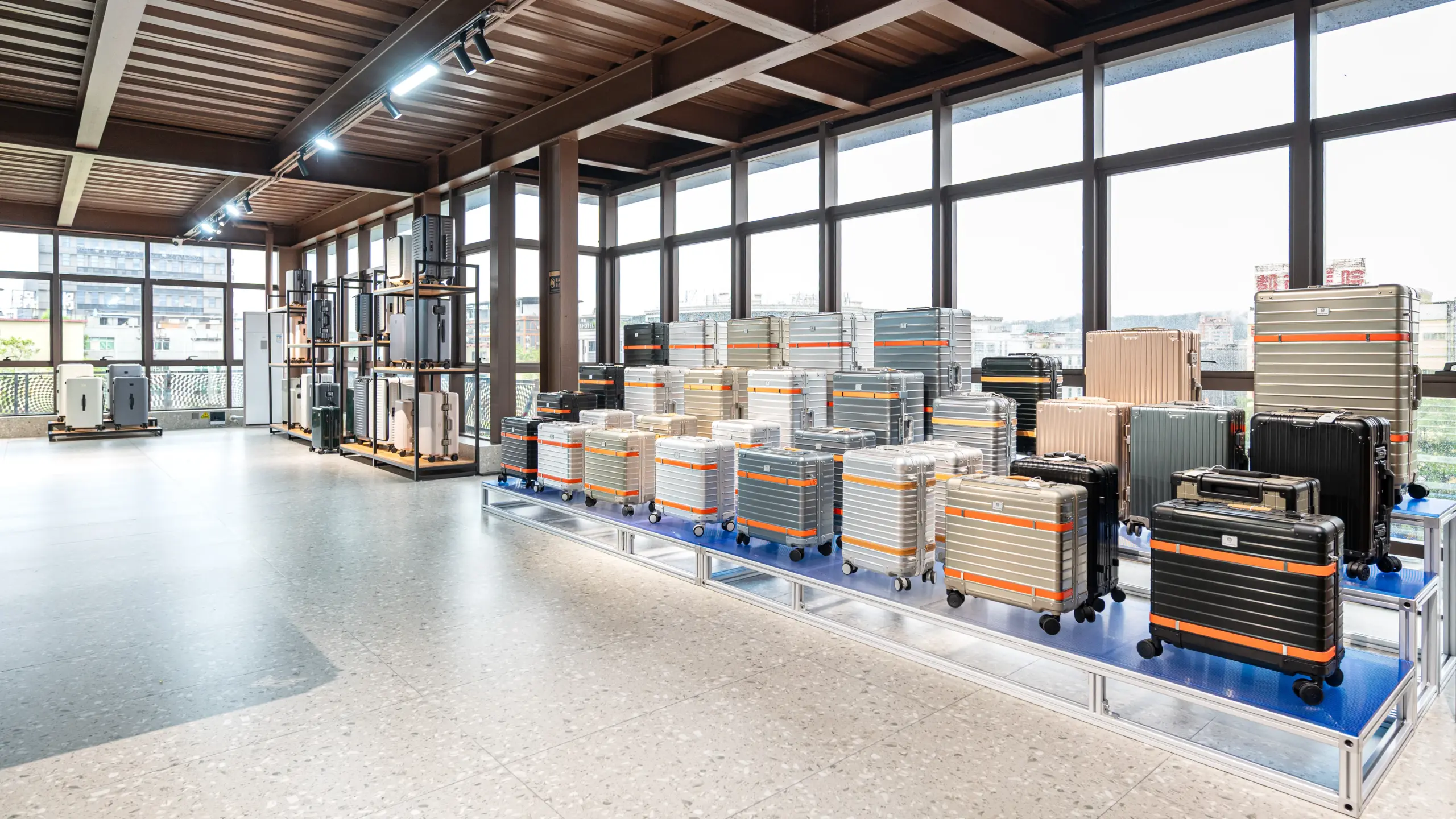
- Wheeled / trolley bag — load rides on wheels and is pulled. It excels on long, flat, smooth surfaces (airport floors, a paved walk) but fails on stairs, snow, gravel and carpet, and the empty bag is heavier because of the frame and wheels.
When a wheeled kids’ backpack is the right call
Specify wheels when the load is heavy, the distance is meaningful, and the surface is predictable: an overnight or travel bag a child rolls through an airport or station, a flat commute, or a child with particular carrying needs. Wheels are the wrong call on stairs-heavy routes, rough ground, or for a young child who cannot lift a loaded trolley onto a bus. Many buyers hedge with a 2-in-1 — a wheeled bag with concealed, padded backpack straps — but that adds weight, so the ergonomic straps must be genuinely wearable, not a token.
When an ergonomic backpack wins
For the everyday school run, a well-designed ergonomic backpack is usually the better product: lighter, more versatile across terrain, and free of mechanisms that break. Kingsons positions its student/school line specifically around light-weight, spine- and shoulder-protective design, and lists a Bounce-Bounce back-protection system among its technologies — treated as a design angle to verify on a loaded sample by age band, not a blanket guarantee. The ergonomic case is strongest for children old enough to carry but too young to manage a trolley’s weight and steps.

Specifying the wheeled system: the details that decide returns
Wheeled bags fail on hardware and weight, so make the buyer’s spec explicit:
| Element | What to specify | Why it matters |
|---|---|---|
| Wheels | Diameter, 재료 (PU/rubber), sealed bearings; inline vs spinner | Larger, softer wheels roll over pavement seams and gravel; tiny hard wheels snag and shake |
| 핸들 / telescopic | Tube gauge, height steps, release button action | A wobbly or short-reach handle is unusable for a small child and breaks first |
| Frame & base | Reinforced shell or frame, corner protection | Carries the load and survives being dropped on a kerb |
| Empty weight | Keep it low; account for frame + wheels | A kid still has to lift it up stairs and onto racks |
| Load rating | Rated for the intended books/travel weight | Prevents wheel and axle failure mid-term |
Specifying the ergonomic system: fit first
- Age-band sizing — match back-panel length and volume to the child, not one universal pack (pre-school, early and upper primary have distinct ranges; see the sizing detail in our kids backpack sourcing guide).
- Straps — wide, padded, fully adjustable, ideally contoured; a sternum clip on heavier sizes keeps load centred.
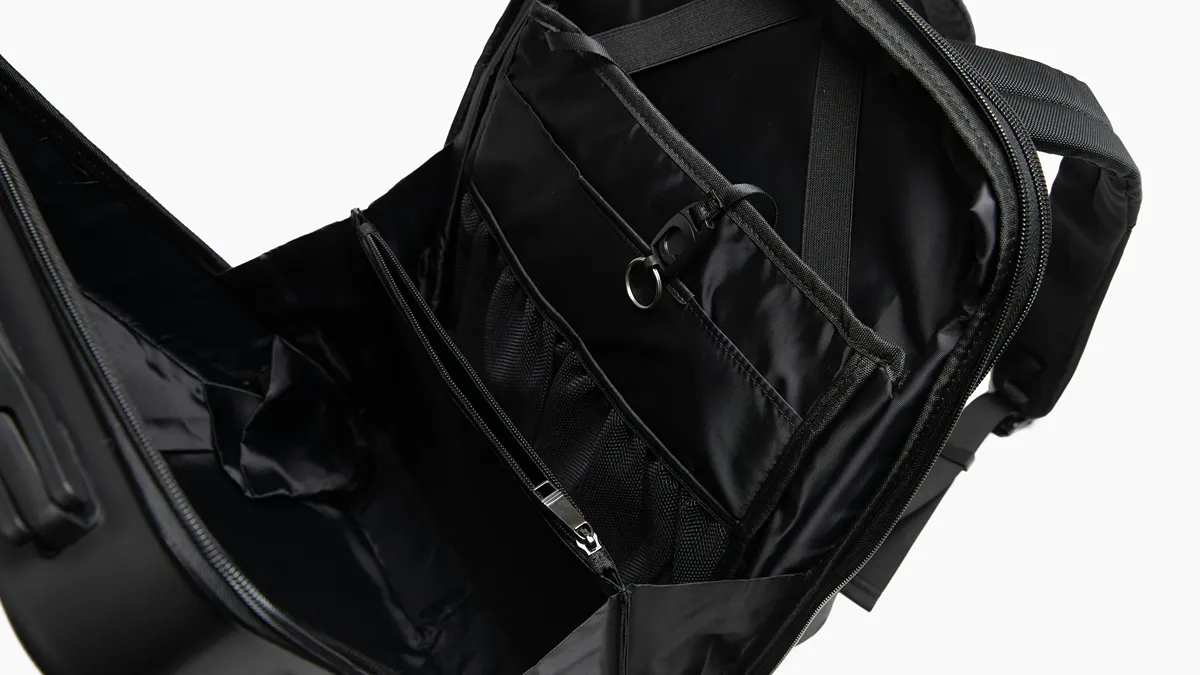
- Back panel — padded and ventilated, shaped to carry load high and close to the back.
- 무게 — the lightest construction that still meets durability; empty weight counts against the load limit.
- Load discipline — design and label the product to keep the loaded pack near 10–15% of body weight.
The 2-in-1 hybrid: what to watch
A convertible wheeled backpack promises both, and buyers are drawn to it. Make it earn the complexity: the harness must be genuinely padded and adjustable enough to carry loaded (not a stash of thin webbing), the wheels must still roll well when the bag is worn, and the empty weight must stay acceptable for the youngest target age. In practice a 2-in-1 is a travel-forward product; for a daily school bag it often asks a child to carry wheels they did not need.
Durability and safety testing for both systems
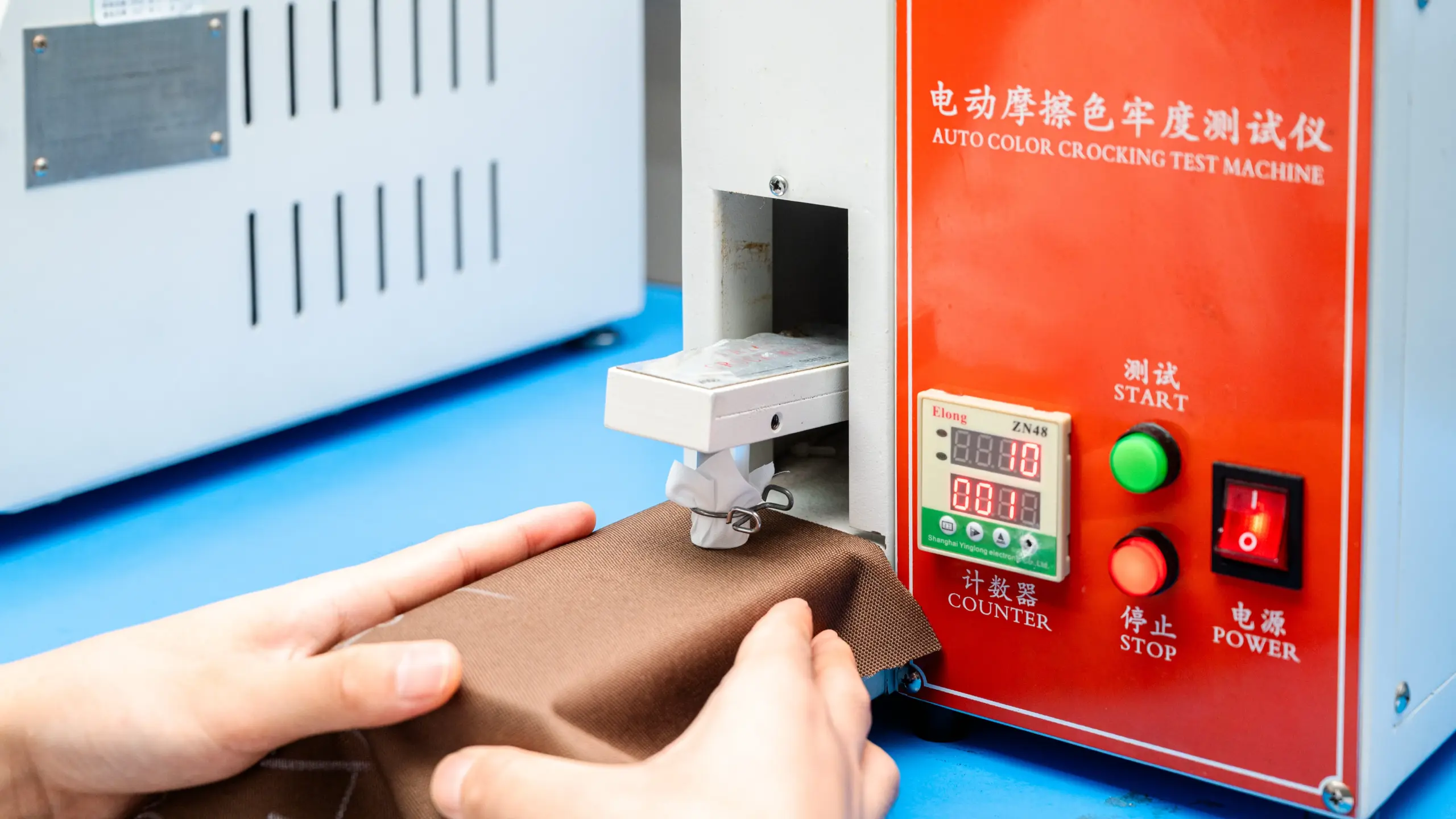
A wheeled bag adds mechanical failure points a plain backpack never has — axle, wheel, handle and frame all take impact. Specify zipper-cycle, drop and wheel/handle fatigue testing alongside the fabric checks. Colourfastness and coating tests (part of Kingsons’ in-house quality-control and testing process) matter on any kids’ product handled daily. Because most of these are children’s products, the same CPSIA material-safety obligations — lead and phthalate limits, tracking labels, third-party testing — apply as for any kids’ backpack.
A buyer’s specification scorecard
- Carry system matched to the real route (wheels vs ergonomic vs justified hybrid).
- Wheeled hardware spec: wheel size/material, handle gauge and reach, frame reinforcement, empty weight.
- Ergonomic fit: age-band sizing, padded adjustable straps, contoured load-distributing back.
- Organised interior that keeps load centred and low.
- Mechanical + material testing appropriate to a children’s product.
- Compliance file (CPSIA reports and CPC) for the specific SKU and market.
Why Kingsons can build either system
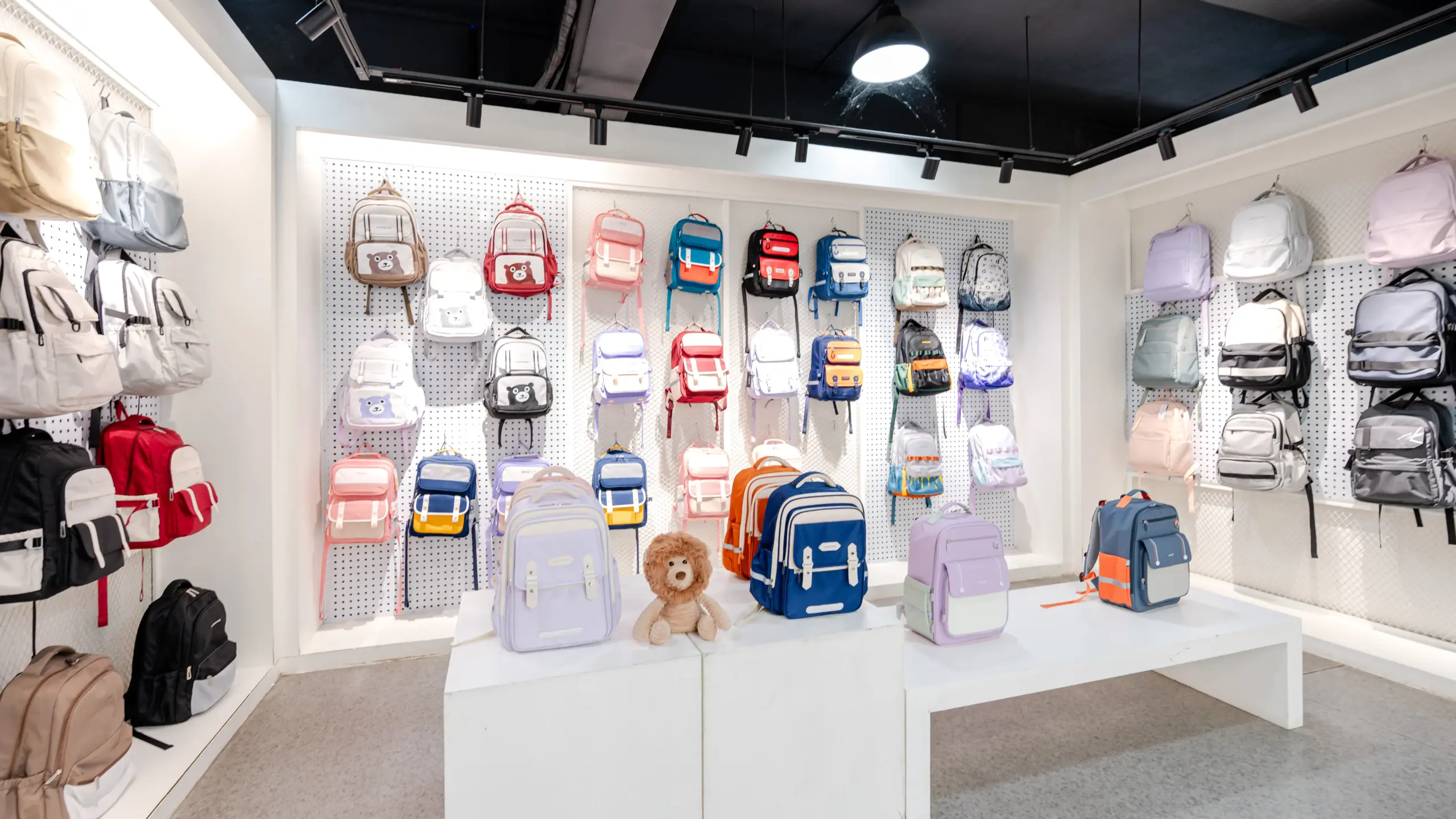
Kingsons’ product categories already span both sides of this decision: a school/student-backpack line built around light-weight, spine- and shoulder-protective design, and a luggage/travel range (including wheeled cases) that covers rolling carry. That breadth, plus in-house testing equipment, full-process quality control and CE/FCC/RoHS/SGS certification, means a buyer can specify an ergonomic backpack, a wheeled bag or a tested hybrid on the same supply relationship — with low, mixable MOQs (in-stock from 200, custom from 500, trials 200–300, small batches from 50) and named-brand hardware for durability. Verify the exact ergonomics, wheel/hardware spec and current product-specific safety reports for your chosen SKU and age band, and the same foundation supports either carry system.
자주 묻는 질문
Are wheeled backpacks better than ergonomic backpacks for kids?
Neither is universally better — they solve different routes. Wheels shift load to the ground and excel on long, flat, smooth surfaces like travel, but fail on stairs and rough ground and add empty weight. A well-fitted ergonomic backpack is the flexible, lighter default for most daily school runs, handling stairs, crowds and uneven ground. Match the carry system to the child’s actual route.
What should I specify in a kids’ wheeled backpack?
Specify the hardware and weight: wheel diameter and material (larger, softer PU wheels roll over pavement seams), a sturdy telescopic handle with an appropriate reach and release, a reinforced frame and base, a load rating, and — critically — a low empty weight so a child can still lift it. Then test wheels, handle and axles for fatigue, since these are failure points a plain backpack never has.
What makes a kids’ backpack ergonomic?
Fit and load distribution: age-appropriate sizing, wide padded fully-adjustable straps, a contoured padded back panel that carries load high and close to the body, a sternum clip on heavier sizes, and light construction. Combined with keeping a loaded pack near 10–15% of body weight, this is what protects a growing back — and it is a specification you verify on a loaded sample.
Is a 2-in-1 wheeled backpack worth it?
Only when the harness is genuinely wearable and the empty weight stays acceptable. A convertible promises both carry modes, but thin concealed straps, wheels that dig into the back and added frame weight can make it worse than either purpose-built option. Treat it as a travel-forward product rather than a default daily school bag.
Do wheeled kids’ backpacks need the same safety compliance?
Yes — a wheeled bag aimed at children is still a children’s product, so CPSIA lead and phthalate limits, tracking labels and third-party-tested CPC requirements apply, and the mechanical parts add their own fatigue and pinch-point testing. Commission product-specific reports and choose a manufacturer that supports testing and material declarations.
Can Kingsons manufacture wheeled and ergonomic kids’ bags?
Kingsons spans both product worlds — a school/student-backpack line built around spine- and shoulder-protective design and a luggage/travel range including wheeled cases — supported by in-house testing, CE/FCC/RoHS/SGS certification and low, mixable MOQs. Specify the exact ergonomics, wheel/hardware spec and age band, and verify current product-specific safety reports before selling.
Specify the right carry for kids — ergonomic backpacks, tested wheeled systems or a justified hybrid — built to fit, durability and children’s-product safety.