
choose bag manufacturer is the first checkpoint buyers should lock before they approve a supplier, orçamento, ou slot de produção. Consider one
That kind of disaster rarely happens overnight. It starts when a buyer negotiates hard on the FOB pricing but fails to lock in the exact bill of materials after the sample approval, leaving the door open for substitutions. A factory’s real value isn’t just in the single unit they can produce under close watch, but in the systems they have to replicate that quality 10,000 times without deviation. You need a way to see past the sales pitch and inspect the production engine itself.
Pre-Screening: Initial Questions to Ask
Why does a perfect pre-production sample—the one you signed off on—sometimes turn into a $50,000 container of goods with inconsistent stitching and off-spec materials? The problem usually isn’t malice. It’s a mismatch in core capabilities that you could have caught with two simple questions before you even requested a quote.
Interno R&D vs. Outsourced Design
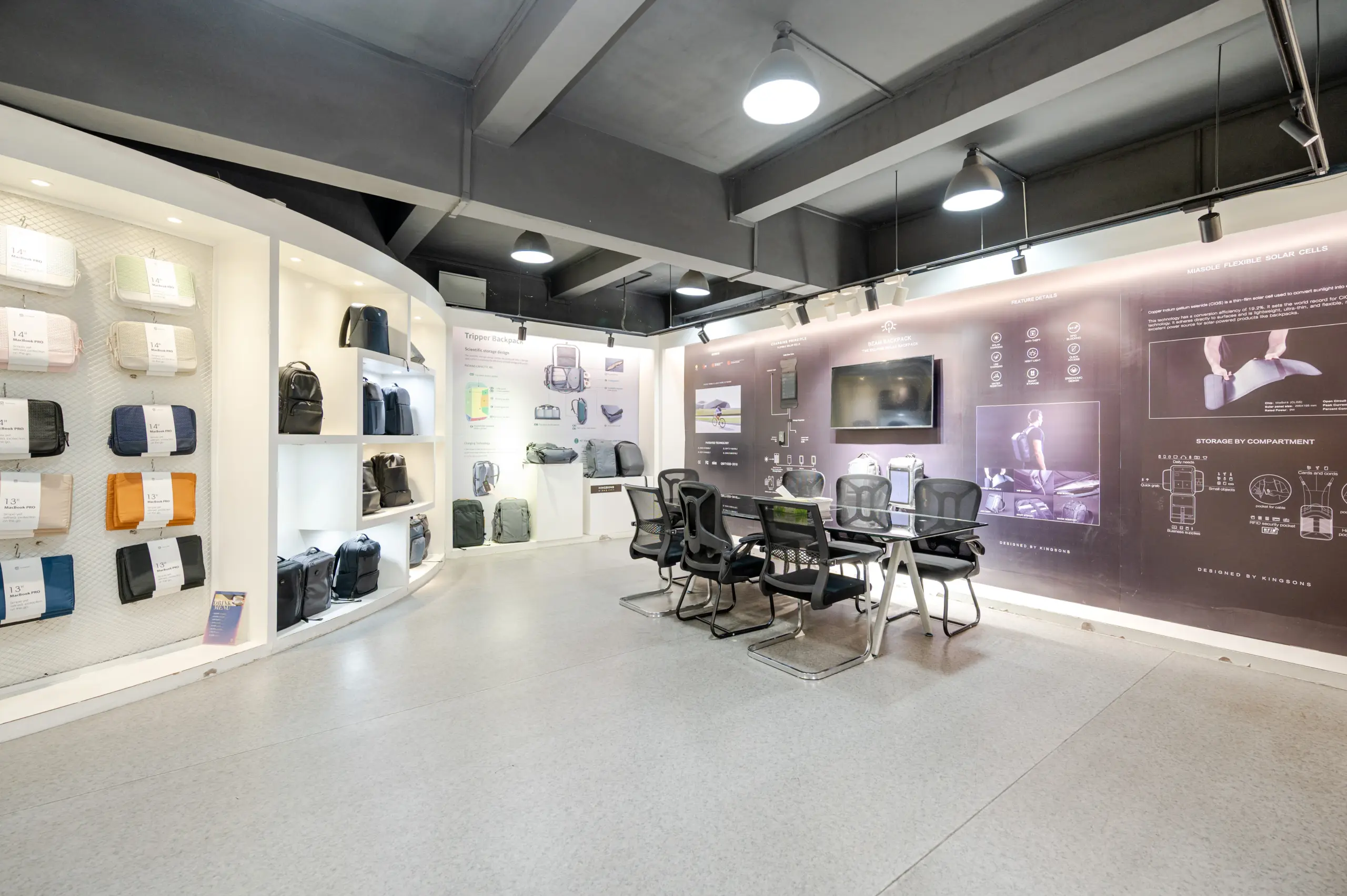
This is the first filter. A manufacturer with a dedicated R&D team designs, prototypes, and problem-solves under their own roof. They own the process. A factory that outsources design is essentially just an assembly service, taking instructions from a third party. The risk isn’t just about slow communication; it’s about control and intellectual property.
For instance, a supplier with a 20-person internal design team and a portfolio of 500+ patents isn’t just assembling bags; they are engineering them. They understand how a specific foam density impacts shock absorption or how a new zipper placement affects stress points. That’s a different conversation than one with a factory that has to call an outside firm to ask about your design change.
- IP Security: Interno R&D means your tech packs and unique designs stay within the factory’s system. Outsourcing exposes your IP to a design studio that likely works with your competitors.
- Problem Solving: When a production issue arises, an in-house team can immediately collaborate with the production floor to find a solution. With outsourcing, you’re stuck in a chain of emails.
Primary Product Specialization
A factory that claims it can make any kind of bag should not be trusted. This is one of the biggest red flags
The right question isn’t ‘Can you make my product?’ It’s ‘What product category makes up over 70% of your monthly output?’ If you’re developing a technical camera bag and their answer is ‘fashion handbags,’ walk away. The quality tolerance and construction methods are completely different. Your defect rate will be high because your product is a distraction from their core business, not a part of it.
Factory Audit Checklist: What to Look For
A factory audit isn’t a tour; it’s a forensic check on whether their paper claims match their production reality.
Audits across dozens of factories reveal one common mistake: buyers look at finished samples, not the systems that produce them. A beautiful sample means nothing if the factory can’t replicate it 10,000 times. Your audit checklist needs to focus on process, not just product.
Quality Management Systems (QMS) and AQL Standards
Any factory can claim they have a QMS. Look for proof. An ISO 9001 certification is a baseline, but you need to dig deeper. Ask them for their Acceptable Quality Limit (AQL) padrão. This is the language of professional quality control.
A serious manufacturer will give you a specific number, like ‘AQL 2.5 for major defects, 4.0 for minor defects.’ A less reliable one will say, ‘Oh, we check everything.’ That’s a huge red flag. It means they have no statistical process control, and your quality tolerance will be subject to their mood that day.
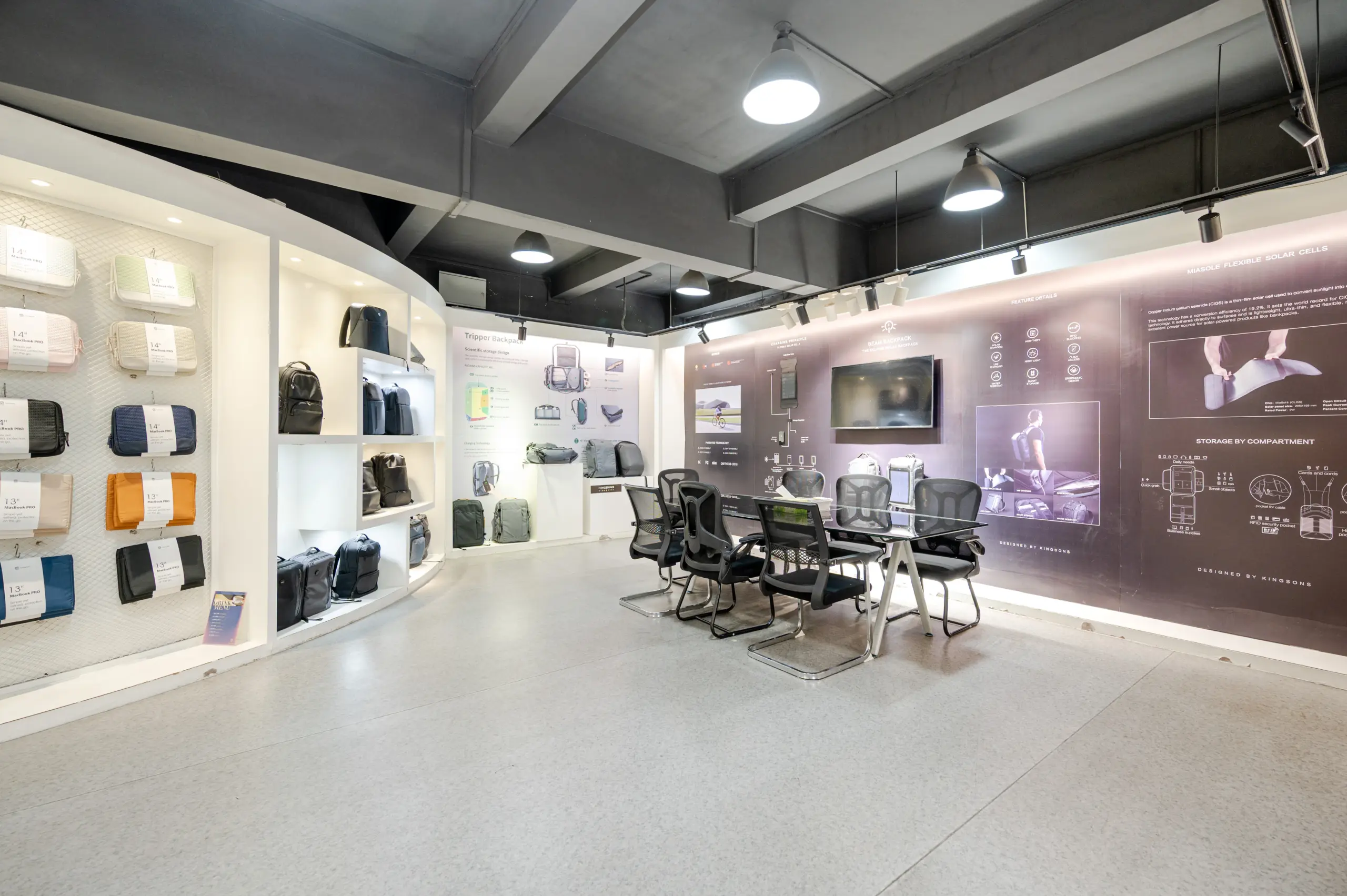
Another key indicator is a dedicated materials testing lab. According to their production data, a facility like Kingsons has in-house equipment like tensile, waterproof, and abrasion testers. This means they verify fabric strength and colorfastness production starts, preventing mass defects downstream.
Social and Ethical Compliance (BSCI, Sedex)
In 2026, ethical sourcing isn’t optional. Your brand is on the line. Certifications like BSCI and Sedex are non-negotiable for any major retail channel. But don’t just accept a PDF of the certificate they email you.
This is critical: go to the official BSCI or Sedex portals and verify the report’s authenticity and expiration date
Production Line Capacity and Equipment
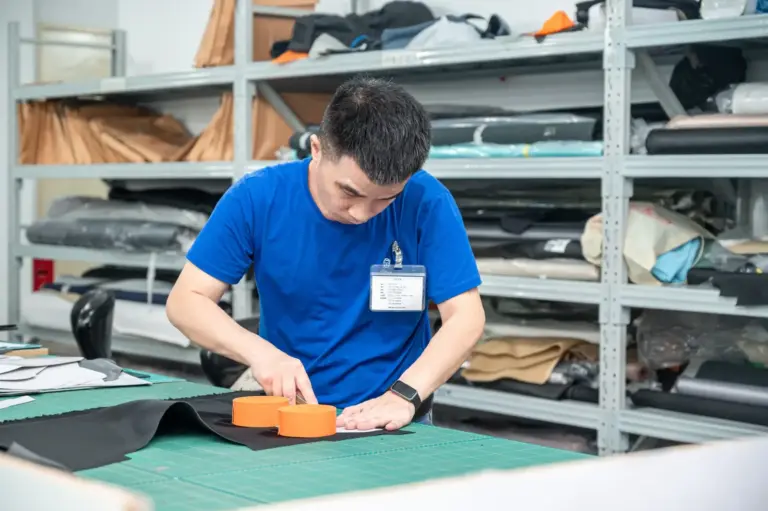
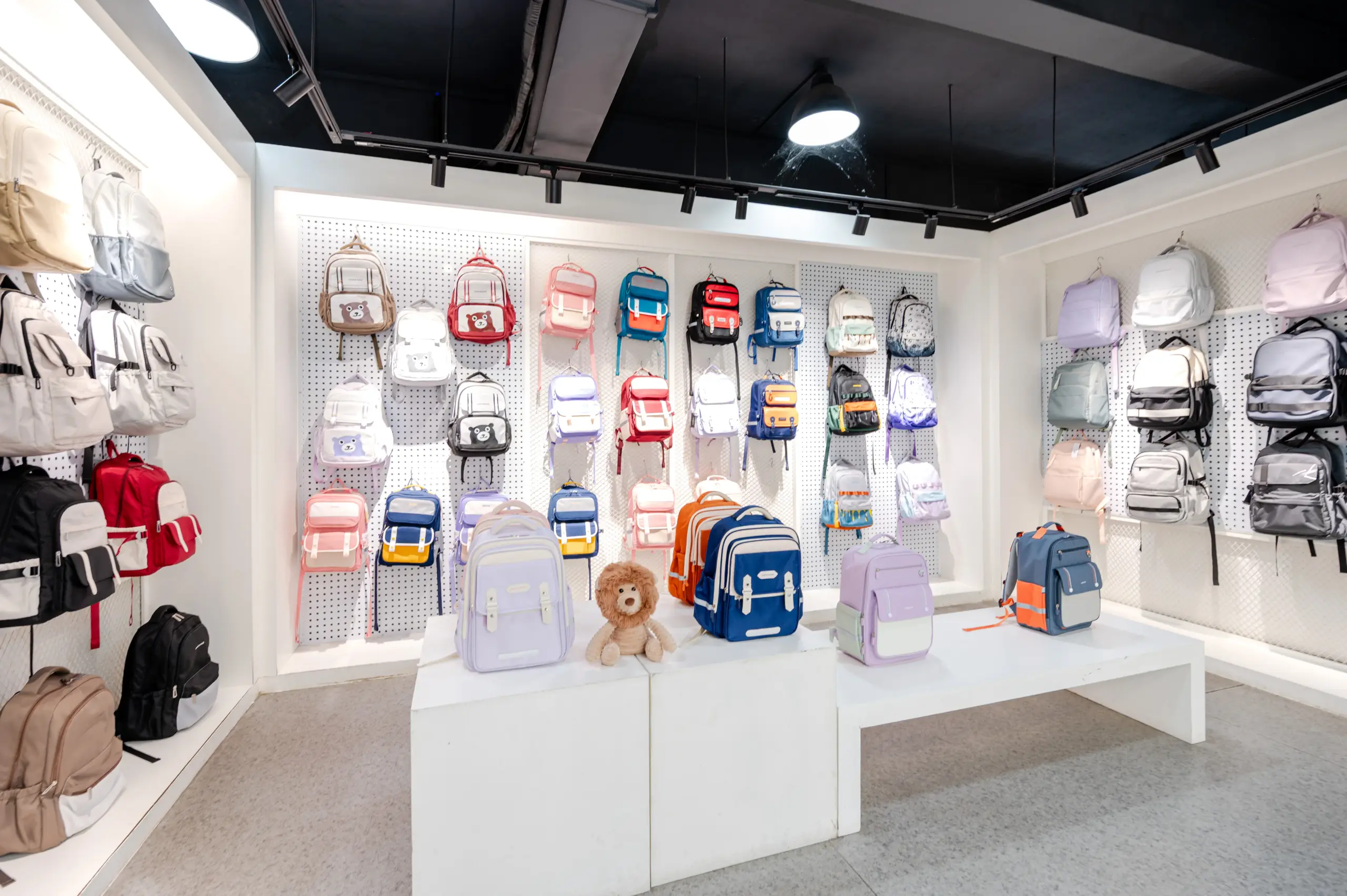
Look at the machinery. A factory’s true capacity is written on its production floor. Seeing modern equipment like automatic cutting machines and intelligent sewing work stations means higher consistency and fewer human-error defects. It shows investment in quality, not just cheap labor.
Verify their stated capacity against their physical footprint. A supplier claiming a 300,000-piece monthly capacity should have the space to back it up, like a 50,000㎡ facility with 20 distinct production lines. This scale ensures they can handle your order in-house, preventing the quality-control nightmare of unauthorized subcontracting.
Evaluating the Sample and Quoting Process
The sample isn’t a product preview; it’s a physical contract.
The moment of truth isn’t on the factory floor. It’s six weeks later, when you open the first container from a $50K order and realize the fabric feels flimsy. The pre-production sample was perfect, but the thousand units in front of you are not. This is where brand reputations are damaged and budgets are destroyed.
Sample Accuracy and Lead Time
The sample you approve—the ‘golden sample’—is your only real leverage. It’s the physical benchmark for your entire production run. A factory’s ability to replicate it perfectly depends on their internal process control. A key indicator is an in-house materials testing lab to verify fabric strength and colorfastness before cutting. Without it, you’re gambling on their suppliers.
The sample approval must be documented with photos and a signed spec sheet. A typical lead time for a custom sample from a capable manufacturer is 7-10 dias. If a factory takes a month, it signals disorganization or that they are outsourcing the sample creation—a major red flag for maintaining quality tolerance in mass production.
Quote Transparency and Inclusions
A low unit price is often a trap. A vague quote that just lists a price per unit is hiding costs or, worse, quality compromises. You need to see the line items. If they don’t specify the details, they reserve the right to substitute cheaper components when production pressure mounts.
- Material Specs: Does it list the exact fabric (por exemplo, 900D Polyester with PU coating) or just ‘polyester’?
- Component Brands: Are zippers specified as a known brand like YKK or SBS, or just ‘metal zipper’? This is a primary area for cost-cutting.
- Pricing Terms: Is the quote clear on the incoterms, like FOB pricing? This defines who pays for shipping and at what point ownership transfers.
- Tooling & Molds: Are costs for new molds (por exemplo, for a custom logo puller) itemized? Is it clear if the fee can be credited back on a large order?
Red Flags: Warning Signs of a Bad Partner
Audits of suppliers across a dozen countries reveal the biggest risks aren’t found in a factory tour. They’
Vague Answers on Quality Standards
This is the number one tell. When you ask about their bag factory quality control standards, a professional manufacturer will give you
- The Professional Answer: “We adhere to AQL 2.5/4.0.” This is a statistical language that means they have a defined quality tolerance for major (2.5%) and minor (4.0%) defects per batch. It proves they have a system.
- The Red Flag Answer: “We check every piece 100%.” This sounds good, but it’s often a sign they lack a true quality management system (QMS). Without a statistical process control, “100% inspection” is inconsistent and highly subjective.
- Check the Documents: Don’t just accept a PDF. For a BSCI or Sedex certified bag factory, ask for the report ID and verify it on the official portals. A legitimate supplier with an active ISO9001 or GRS certification will have no issue with this. Hesitation is a major red flag.
- Verify the Materials: A key differentiator is an in-house materials testing lab. Serious manufacturers have equipment like tensile testers and wear-resistance machines to validate incoming raw materials they are cut. This prevents the classic bait-and-switch where the approved sample’s YKK zipper is replaced by a no-name brand on the 5,000-unit run.
“Paper-Only” Compliance and Material Bait-and-Switch
Any supplier can send you a PDF of a certificate. A top-tier partner has certifications that are current, verifiable
Conclusão
Choosing a manufacturing partner is less about finding the lowest quote and more about mitigating risk. The difference between a smooth production run and a costly mistake comes down to asking the right questions before signing a contract. A factory’s response to direct, technical inquiries reveals far more about their capabilities than any sales presentation.
- Can you provide your documented quality tolerance, specifically your AQL standard for major and minor defects?
- Does your FOB pricing detail all costs, or are there separate charges for sample approval revisions and material testing?
- A current BSCI or Sedex audit report should be provided that can be independently verified through the official portal
If a potential partner answers these questions with transparent, documented proof, they are worth a deeper look. The next step is to move from vetting the factory to evaluating their product line. Assess their material options, technical patents, and ability to meet your specific customization needs before committing to a full production run. This diligence up front is what separates a reliable supply chain from a recurring liability.
Perguntas frequentes
What is a typical MOQ for custom bags?
A common minimum order quantity (Quantidade mínima) for fully custom bags is between 500 e 1,000 unidades. This threshold can be lower for stock items with simple logo additions, but. Always confirm the final MOQ after your design, materiais, and colors are specified.
What certifications should I look for?
Prioritize factory-level certifications for quality and ethics, such as ISO 9001 for quality management and BSCI or Sedex for social compliance. Product-specific certifications like GRS for recycled content or REACH. Request to see the actual certification documents and verify their expiration dates.
How long does production usually take?
Expect a mass production lead time of 30 to 45 days after you approve the final pre-production sample. This timeline does not include the initial 7-10. Build a buffer into your project timeline, as material sourcing or production issues can cause delays.
Can I customize more than just the logo?
Sim, a strong manufacturing partner allows deep customization of materials, cores, zíperes, and even the bag’s internal layout. Creating a completely new shape or function often requires a manufacturer with. Provide a detailed tech pack to clearly communicate all your customization requirements.