Wholesale handbag buying looks simple — pick styles, agree a unit price, place an order. In practice the margin lives or dies on details first-time buyers get wrong: how colour splits multiply a minimum order, what sits inside a landed cost, and where a “cheap” unit price gives back the saving in freight and defects.
This guide is for boutique owners, retail buyers and DTC sellers ordering handbags in bulk. It maps the MOQ economics, the real components of wholesale pricing, and a buying strategy that keeps cash working instead of locked in unsold inventory.
Key Takeaways
- Wholesale handbag sourcing runs on two models — buying branded or stock models at low minimums, or ordering custom production runs at higher minimums with better per-unit cost.
- Colour, not just quantity, sets the real minimum: a 500-piece MOQ across three colours is effectively 1,500 pieces because each colour is a separate dye and cutting run.
- A quoted unit price is not a landed cost — add tooling, samples, freight, duty and the cost of defects before you compare suppliers.
- Tiered pricing rewards consolidating orders: fewer styles and colours at higher volume lowers the unit price on every line.
- Plan around a 7–10 day sample and a 30–45 working-day production window, then add transit, so reorders are triggered by lead time, not by an empty shelf.
- Kingsons offers wholesale handbag production with a standard custom MOQ of 500 pieces per style per colour and trial orders from 200–300.
The Two Wholesale Models
There are two fundamentally different ways to buy handbags wholesale, and they optimise for opposite things. Choosing the wrong one is the most expensive early mistake a retailer makes.
| Model | What You Buy | Typical Minimum | Best For |
|---|---|---|---|
| Stock / ready-made | Existing factory designs, mixed styles and colours | 50–200 pcs, low | Boutiques testing what sells, fast turnaround |
| Custom wholesale run | Your chosen materials, colour and branding at volume | 500 pcs per style/colour | Private label, repeat sellers, margin control |
Stock buying is capital-efficient and low-risk but offers no differentiation and a higher per-unit price on popular models. Custom buying raises the minimum and the upfront commitment but drops unit cost sharply at volume and lets you own the design. Many boutiques start on stock to learn their sell-through, then move winning styles to a custom run once demand is proven.
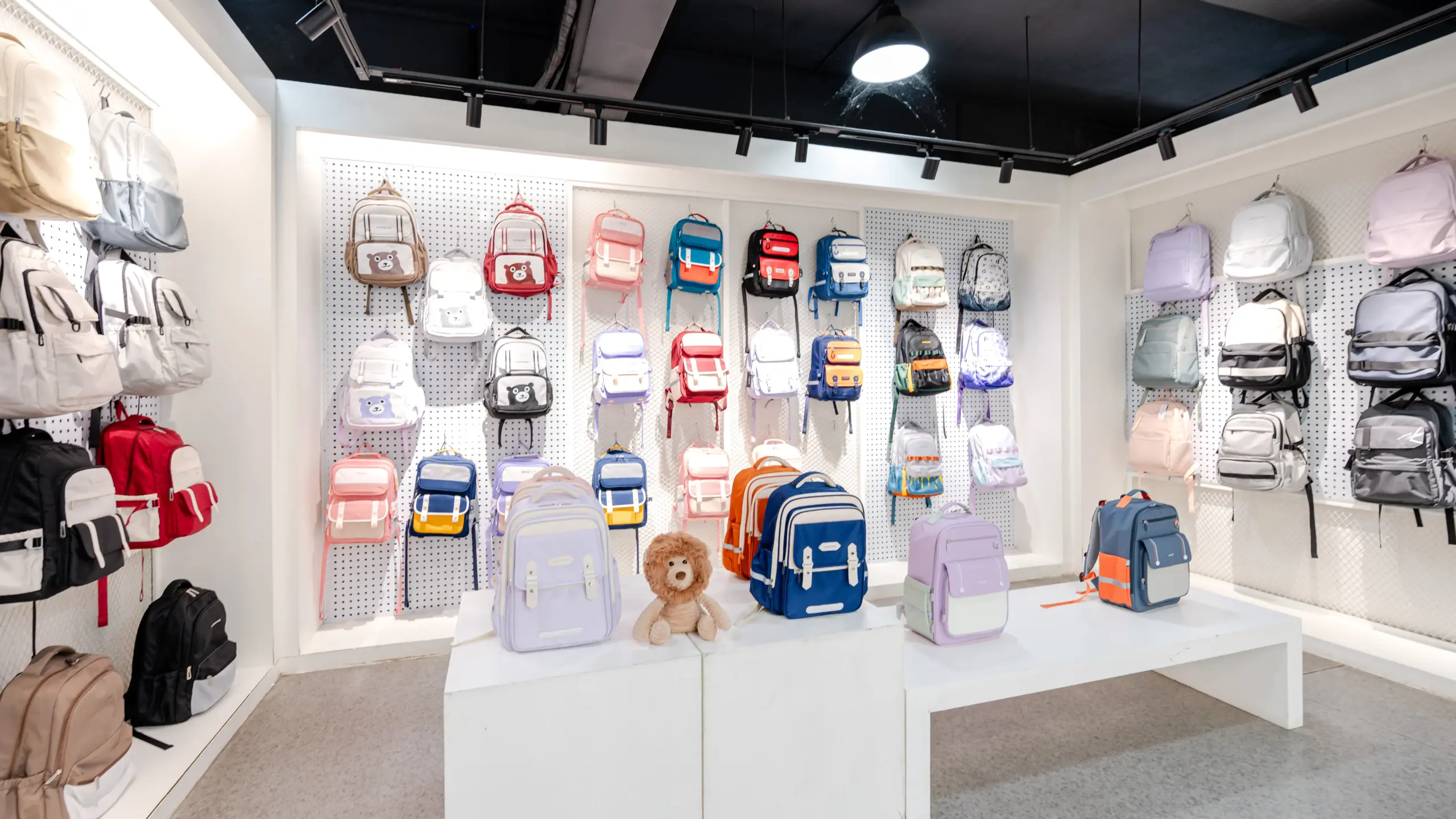
How MOQ Actually Works for Handbags
Minimum order quantity is where wholesale budgets go wrong, because the headline number hides the real commitment. Manufacturers quote MOQ per style per colour, because each colour is a fresh fabric dye lot and each style a fresh cutting and line setup.
So a 500-piece MOQ does not mean 500 handbags total. It means 500 per colour per style. Spread a style across ivory, black and tan and you are committing to 1,500 pieces of that one design. The practical response is to consolidate: launch with one or two colours per style, prove sell-through, then add colours on reorder.
There is usually more flexibility than the standard MOQ implies. Kingsons runs a standard custom MOQ of 500 pieces per style per colour — around half the 1,000-piece minimum common among established peers — with trial orders of 200–300 negotiable at an adjusted price, and small flexible runs from 50 pieces for capsule tests and events. Branded stock models start lower still, around 200 pieces. Ask every supplier for the trial-order number, not just the standard MOQ.
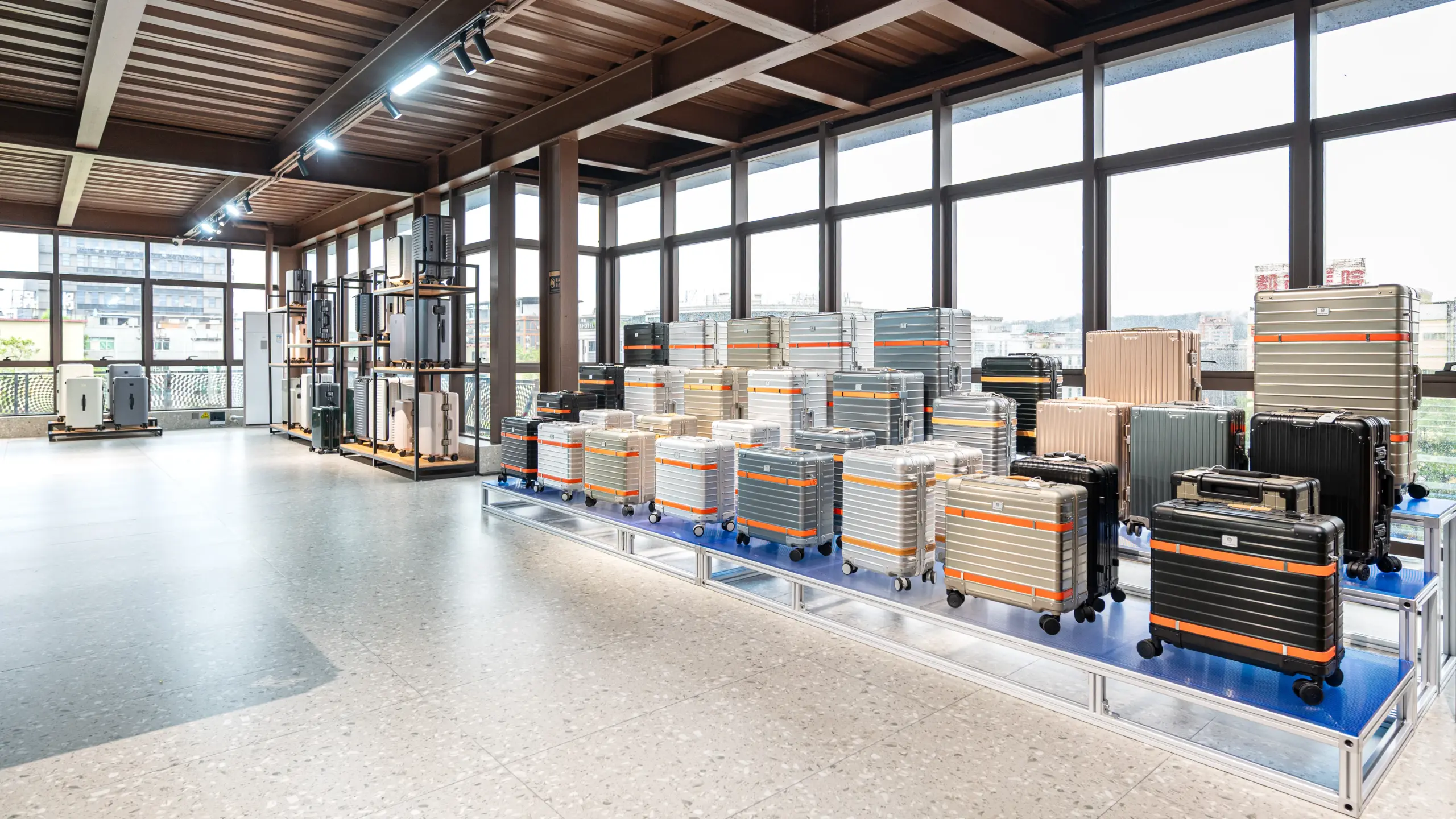
Reading a Wholesale Price: Unit Cost vs Landed Cost
The per-unit figure on a quote is the largest component of cost but not the whole cost. Before comparing suppliers, build the landed cost, because two quotes with the same unit price can differ by several dollars a bag once the rest is counted.
| Cost Component | What It Covers | Buyer Control |
|---|---|---|
| Unit ex-factory price | Materials, labour, hardware, margin | Volume, material choice, consolidation |
| Tooling / moulding | Custom hardware, moulds, dies | Amortised over volume; often creditable |
| Samples | Pre-production prototypes | Often refunded on confirmed order |
| Inland + ocean/air freight | Factory to your door | Container fill, sea vs air mix |
| Duty / customs | Import tariff by material and origin | Classification, trade agreements |
| Defect buffer | Replacements, returns, allowance | QC level and AQL agreed up front |
A supplier quoting a rock-bottom unit price on a leather handbag is a warning, not a bargain: something in the hide grade, the lining or the metal has been quietly downgraded to hit the number. For the full cost anatomy, see our guide to bag manufacturing cost and MOQ.
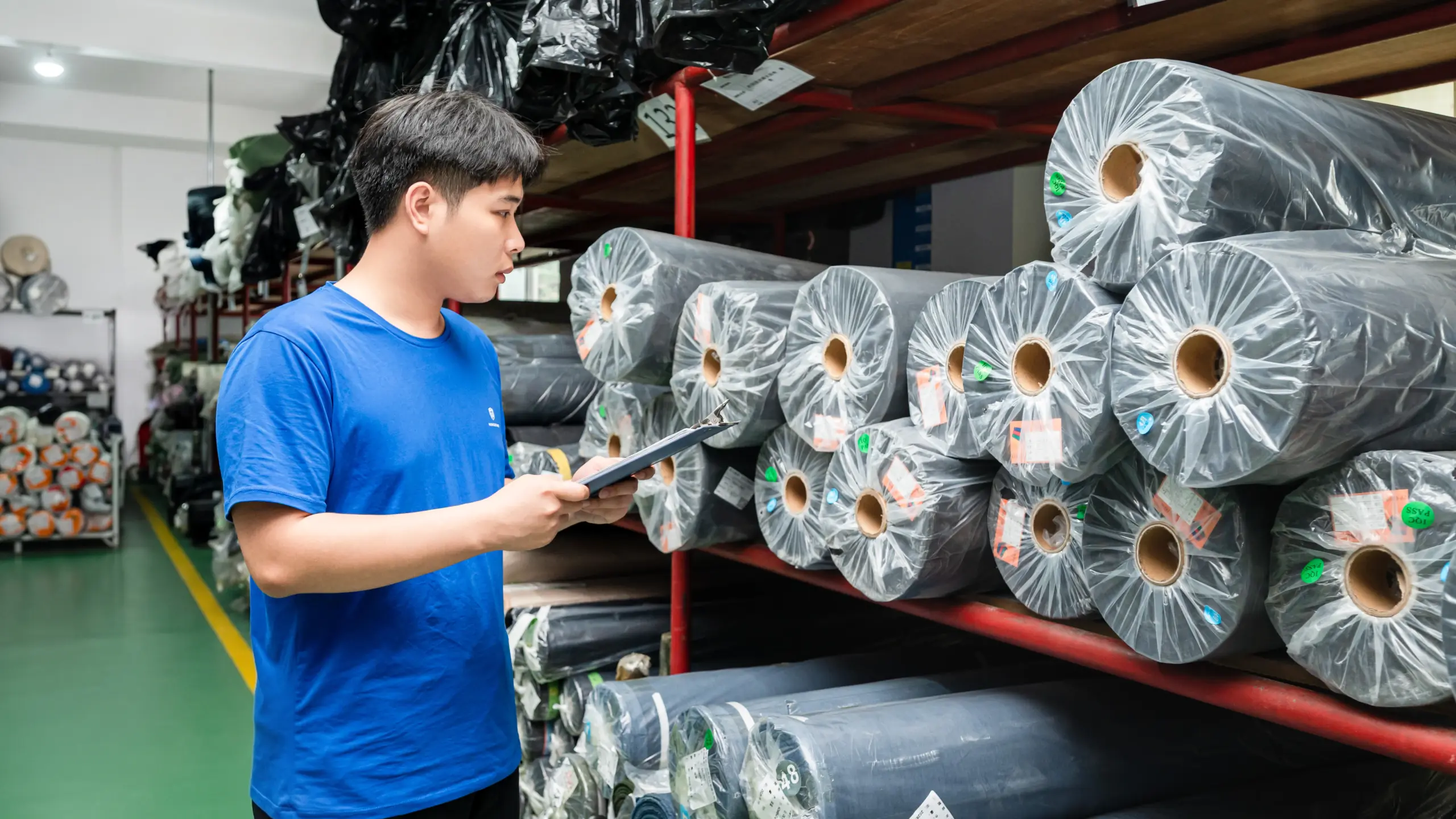
Building a Wholesale Program That Protects Margin
Successful wholesale buying is a repeatable system, not a single order. A few disciplines compound into better cash flow and fewer surprises.
- Consolidate styles and colours. Fewer SKUs at higher volume push every unit price down and simplify QC.
- Tier your orders. Ask for volume price breaks at 500 / 1,000 / 3,000 and plan toward the next tier.
- Standardise hardware and trim. Reusing the same zipper, clasp and lining across styles lowers component cost and minimums.
- Reorder on lead time, not stock-outs. Trigger the next run from the 30–45 day production window plus transit, not an empty shelf.
- Agree an AQL and defect allowance. Define acceptable defect levels in writing before production, not after the carton arrives.
- Protect a cash cushion. The usual structure is a 30% deposit and 70% before shipment; do not over-commit on one speculative style.
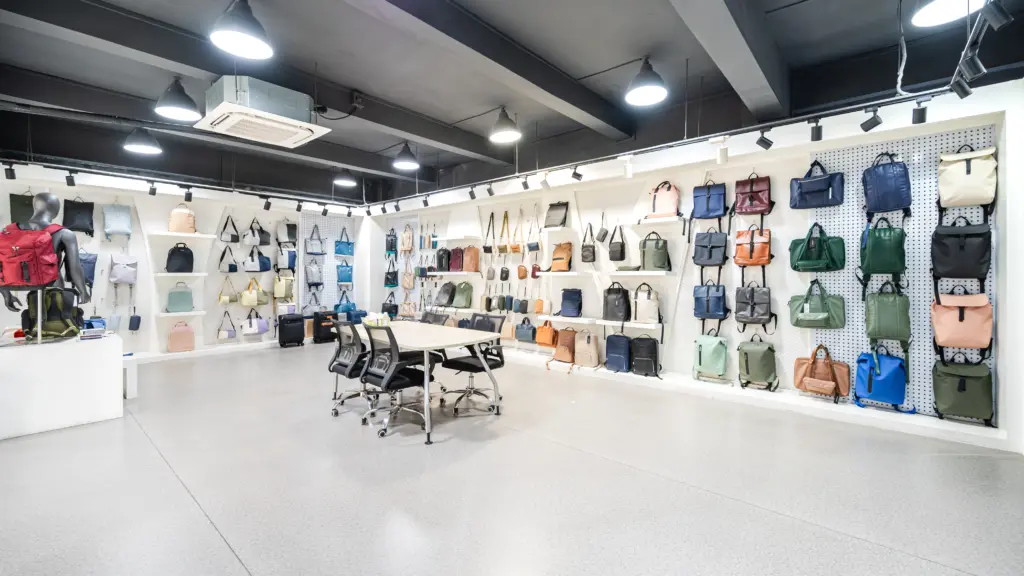
The manufacturing backbone behind a reliable wholesale program matters too. Capacity at scale keeps a reorder from becoming a queue: Kingsons runs 20 production lines across a 50,000 m² Guangzhou campus with a monthly output of 300,000 units, so a repeatable bestseller is not competing for line time with everyone else.
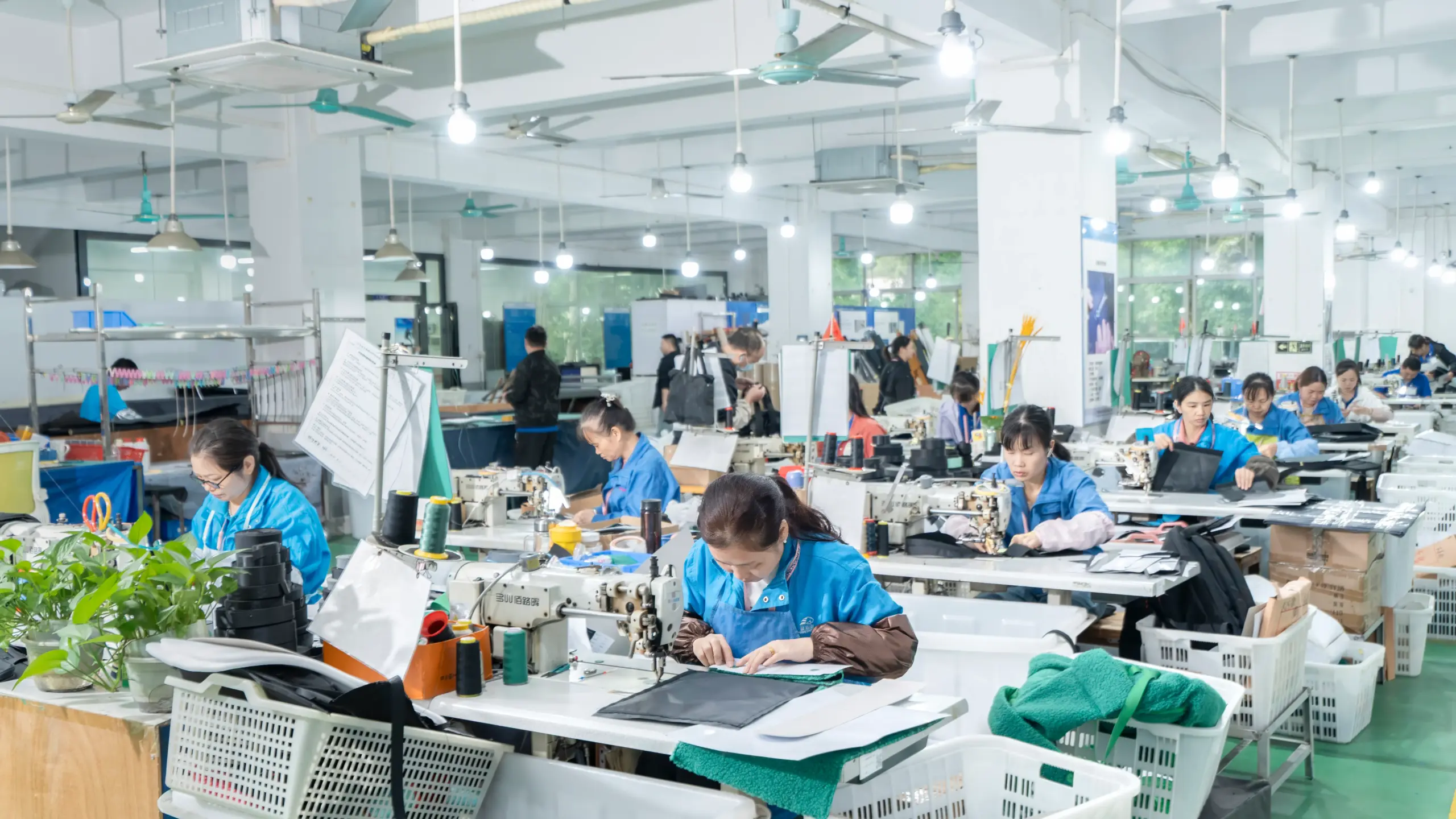
Quality, Samples and the Reorder Test
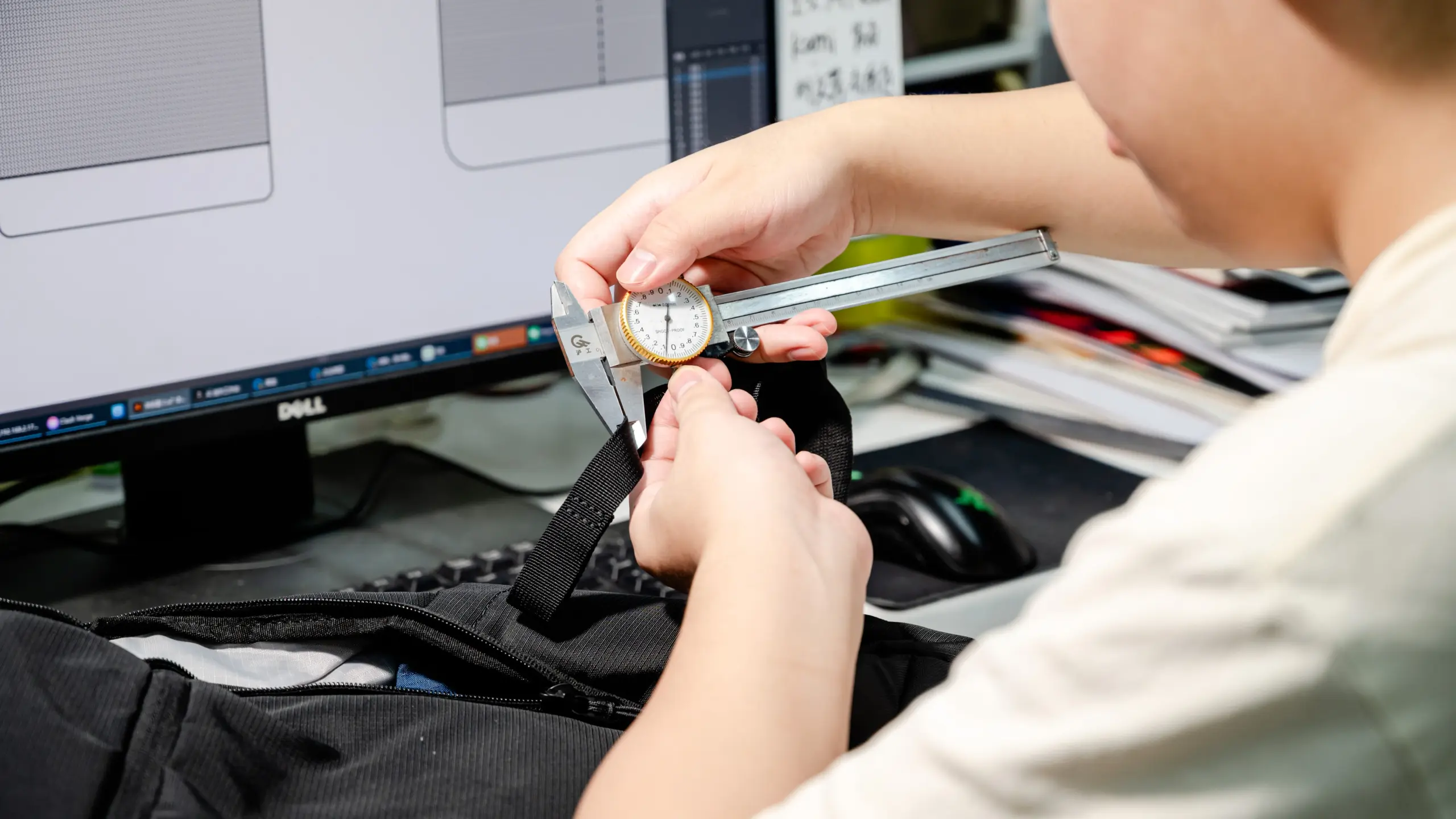
A wholesale handbag is only a good buy if unit two thousand matches unit one. Before committing to volume, confirm the supplier’s inspection gates — goods-in material checks, in-line sewing checks and a documented pre-shipment inspection — and see them work on the reorder, not just the first order.
Treat the second order as the real test. Anyone can produce a good first batch under the spotlight of an incoming buyer; consistency across reorders is what a mature quality system delivers. Kingsons runs full-process quality control with in-house testing on tensile strength, colour fastness, zipper durability and hardware corrosion, backed by ISO9001 and social audits (BSCI, SEDEX) that larger retail buyers increasingly require. Our quality control and testing guide covers exactly what to ask a factory to prove.
Cash flow is part of the wholesale margin, and payment terms shape it. Kingsons works on standard T/T terms — a 30% deposit to start production and the 70% balance before shipment — with a 12-month warranty on materials and workmanship. For a retailer that matters more than it sounds: a lower deposit and a staged balance keep money free to buy reorder stock rather than tied up in one large prepayment. Agree the deposit percentage, the balance trigger (pre-shipment inspection passed, not simply “goods ready”) and who bears the cost of any rework before you place a bulk order, so a payment schedule never quietly becomes a dispute.
Frequently Asked Questions
What is a typical MOQ for wholesale handbags?
For a genuine custom run, around 500 pieces per style per colour is common, with stocked models from roughly 200 pieces. Kingsons uses a 500-piece custom MOQ — about half the 1,000 typical of established peers — with trial orders of 200–300 negotiable and small flexible runs from 50. Remember the minimum is per colour, so choosing fewer colours lowers your real commitment.
Why does colour raise the effective minimum order?
Each colour is a separate fabric dye lot and a separate cutting and line setup, so a 500-piece MOQ taken across three colours means 1,500 pieces of that style. Consolidating to one or two launch colours and adding more on reorder keeps the initial buy affordable and reduces dead-stock risk.
Is the quoted unit price the real cost?
No — the ex-factory unit price is only the largest piece of landed cost. Add tooling and moulds, samples, inland and ocean or air freight, duty, and a defect allowance before comparing suppliers. Two identical unit prices can differ by several dollars a bag once these are counted, and an unusually low unit price often signals downgraded leather, lining or hardware.
How long does a wholesale handbag order take?
A pre-production sample usually takes 7–10 working days and mass production 30–45 working days, then add sea or air transit to your market. Plan reorders from that total window rather than waiting until stock runs low, and ask the factory for volume price breaks at each tier so a larger, better-timed order also cuts your unit cost.
Stock or custom — which is better for a boutique?
Start with stock to learn sell-through at low minimums and low risk, then move proven styles to a custom run for better unit cost and an exclusive design. Buying everything custom from day one locks up cash in minimums you have not validated; buying everything stock caps your margin and leaves you selling what competitors already carry.
How do I keep quality consistent across reorders?
Agree inspection gates and an AQL defect allowance in writing before production, approve a physical pre-production sample, and judge the supplier on the second and third orders rather than the first. A factory with in-line and final QC, documented testing and a stable line capacity holds quality across reorders far better than one that only polishes the sample.
Source wholesale handbags from a factory built for volume and repeat consistency — 27 years of manufacturing, 20 lines and 300,000 units a month behind every reorder.