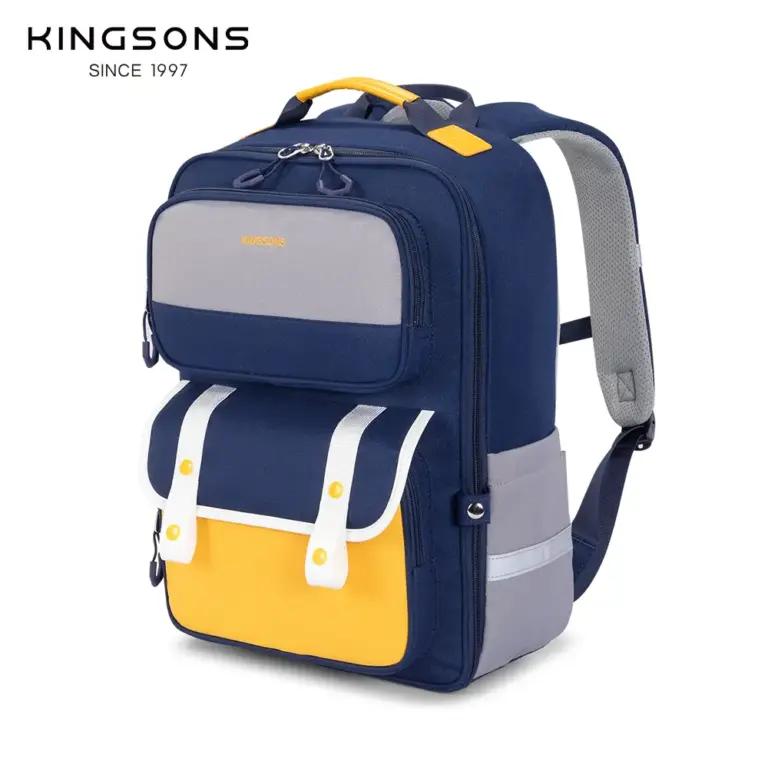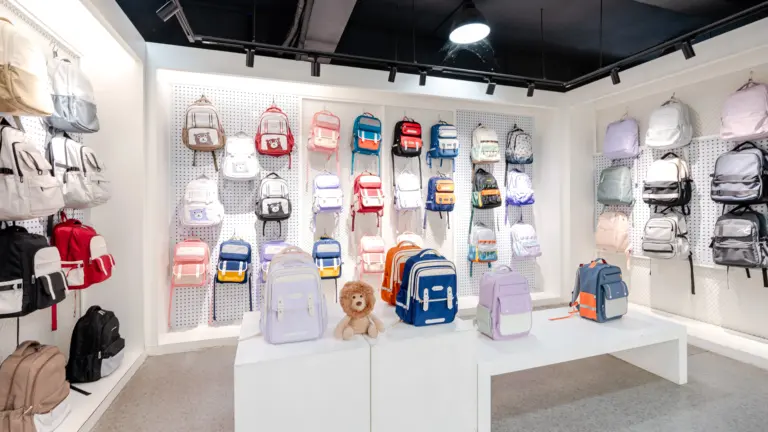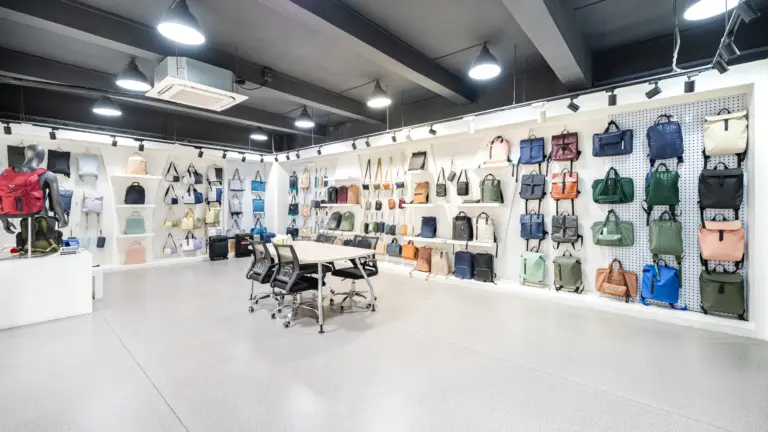
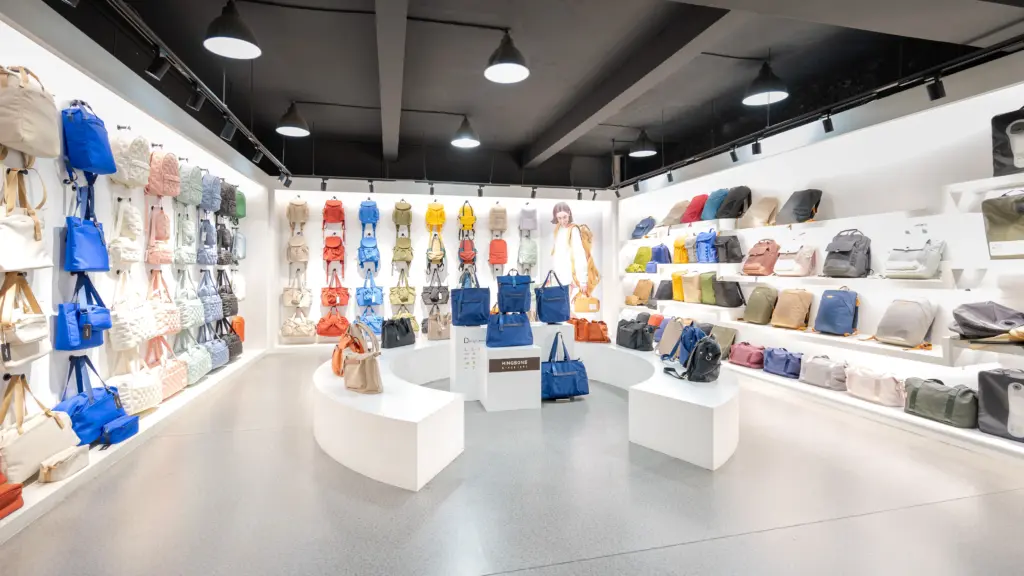
A school bag looks simple, which is exactly how buyers end up with a supplier who can quote a price but cannot engineer a product. Behind every durable, comfortable, private-label pack is a manufacturing chain — materials, corte, stitching, hardware, ergonomics, quality control — and a supplier’s real capability shows in how those stages are run, not in the sample photo.
This guide walks brands, distributors and retailers through how school bags are made, where ergonomic design earns its premium, and how to run a private-label program that scales without surprise defects or stockouts.
Conclusiones clave
- A school bag is an engineering product, not just a shape: fabric selection, cutting precision, stitch integrity, hardware anchoring and ergonomic load design each decide whether it survives a school year.
- Ergonomics is the premium lever — padded adjustable straps, a contoured back panel, light construction and correct sizing are what let a private-label bag outsell a commodity rucksack.
- Choose the right sourcing mode: ready-stock for speed, OEM for your spec at moderate MOQ, ODM/deep custom for a genuinely exclusive design — each trades control against MOQ and lead time.
- Private label is more than a logo: colourway, material, feature and packaging customisation are where a range differentiates, all specified in a tech pack before tooling.
- Vary MOQs and test with trials: a supplier offering low mixable minimums (Kingsons: custom from 500, trials 200–300, small batches from 50, in-stock from 200) lets you build a range without over-committing capital.
How a school bag actually gets made
Understanding the manufacturing chain lets you ask the right questions and read a supplier’s capability honestly. A typical school-backpack build runs through these stages:
- Diseño & tech pack — dimensions, materiales, hardware, stitching spec and logo placement, captured before anything is cut (see our bag tech-pack guide).
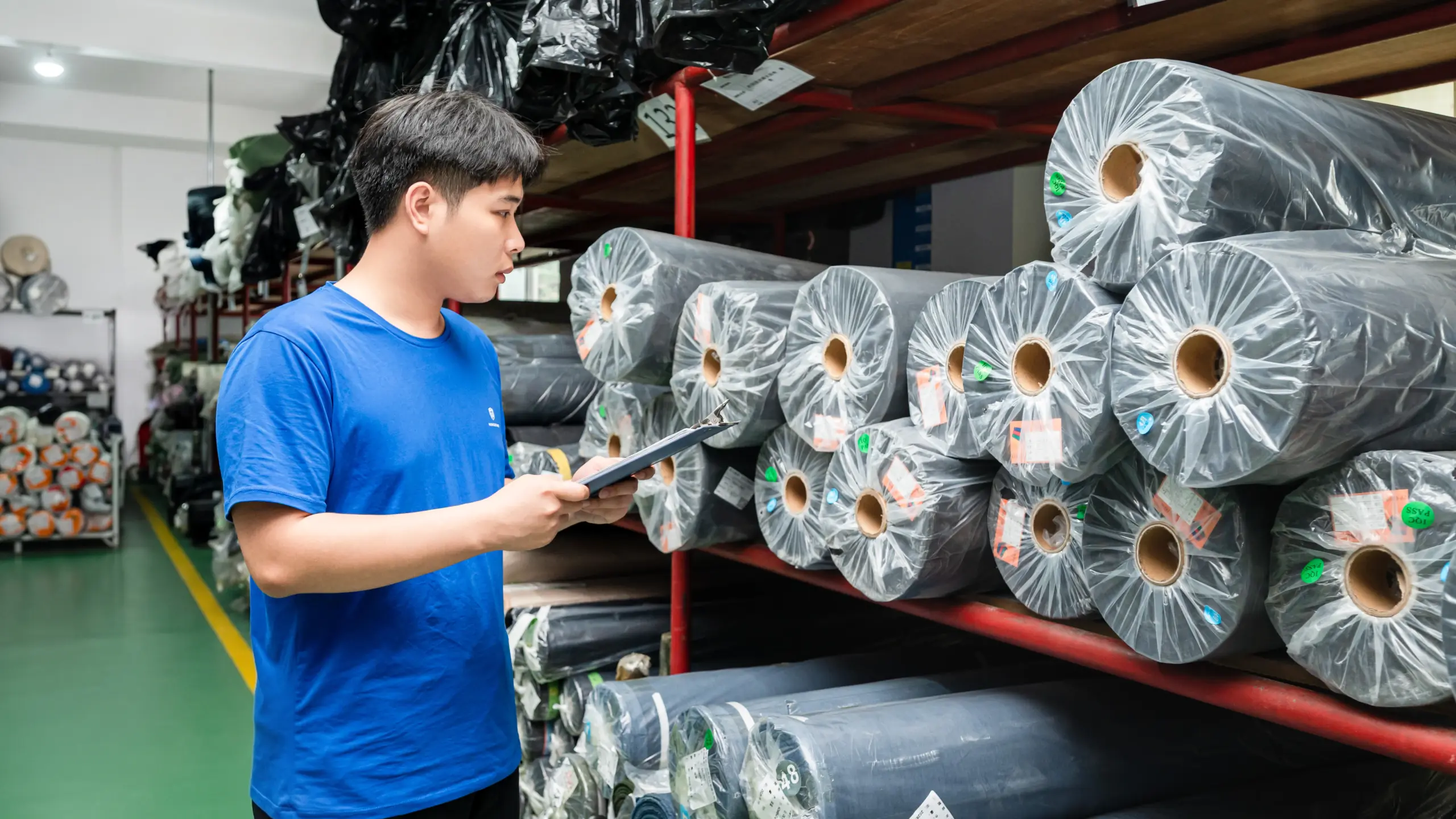
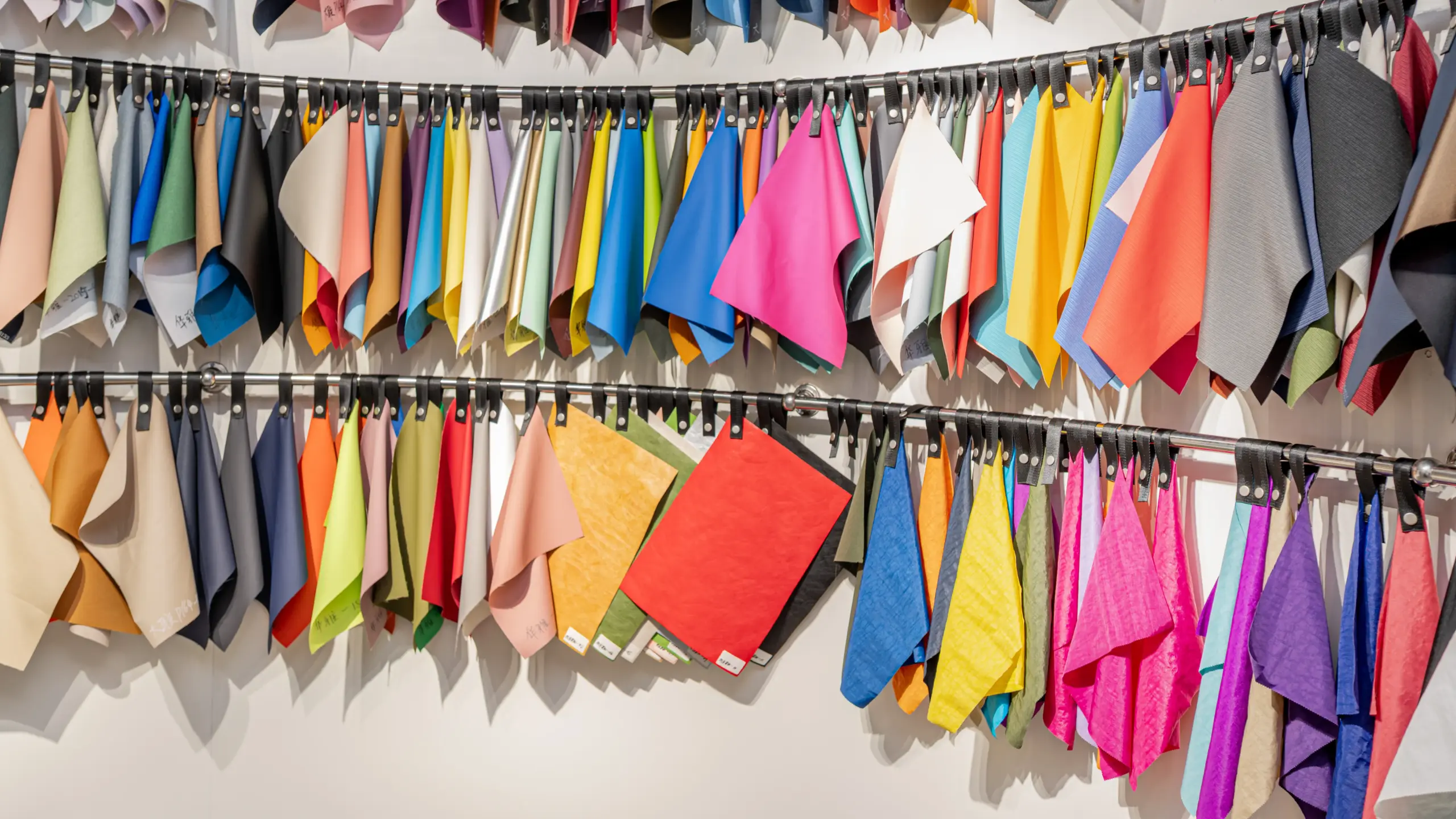
- Material sourcing — fabric, linings, foam, zippers and webbing from named suppliers; consistency here is what makes restocks match the sample.
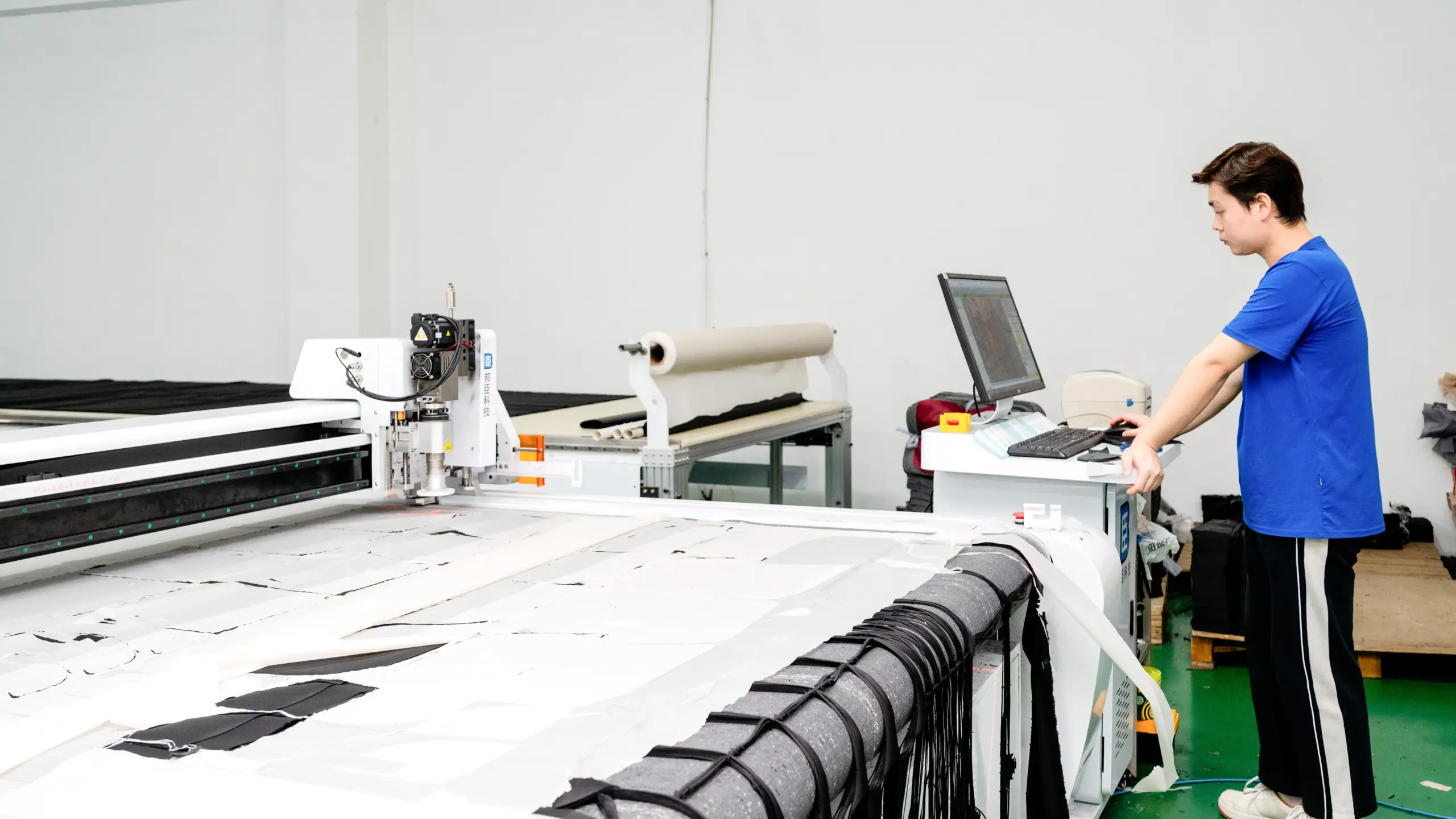
- Corte — pattern pieces cut by automated or die-cutting; precision determines panel alignment and waste.
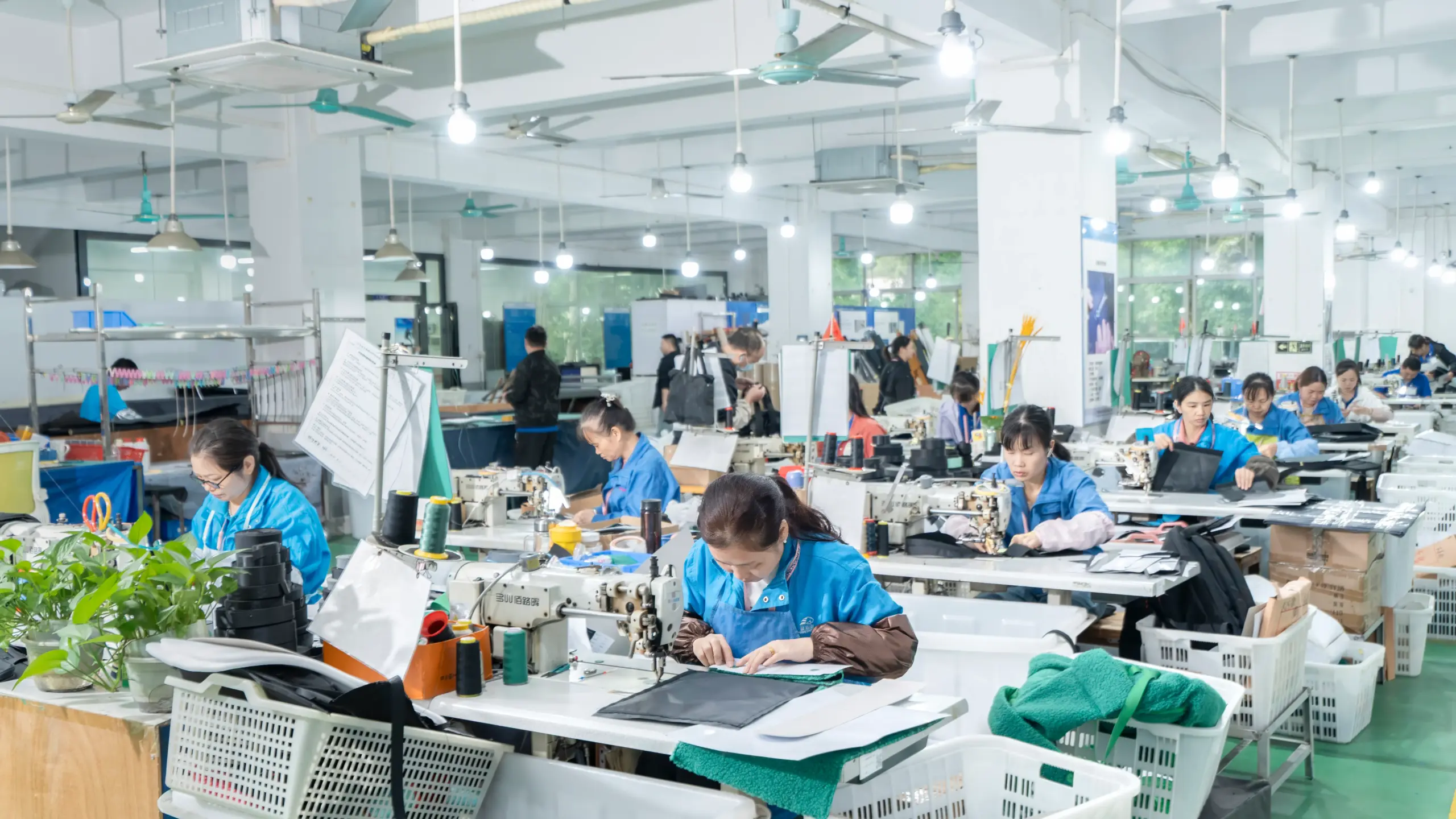
- Stitching & assembly — panels sewn, straps and reinforcements bar-tacked, linings fitted.
- Hardware attachment — zippers, buckles, D-rings and sliders anchored to withstand load and pulling.
- control de calidad & finishing — dimensional checks, zipper-cycle and strength tests, cleaning, labelling and packing.
Diseño ergonómico: where a school bag earns its premium
A child carries a loaded bag for hours, so comfort is not a soft feature — it is the reason a parent pays more and the reason a retailer reorders. The ergonomic levers a buyer should specify are: padded, correas de hombro ajustables; a contoured or ventilated back panel that keeps load off the shoulders; a light overall build; a chest or waist clip on heavier sizes to distribute weight; and correct sizing by age band. Kingsons’ school line is positioned around light-weight, spine- and shoulder-protective construction, and the company lists a Bounce-Bounce back-protection system among its technologies — a differentiation angle to verify on your own loaded sample rather than assume.

Materiales: tela, hardware and the eco angle
- Tela — polyester, nylon, canvas and PU are the workhorses; denier and coating set the durability/weight trade-off. Specify abrasion and tear resistance for a product that will be dragged and dropped.
- Coatings & linings — water-resistant coatings and clean linings extend life; on any youth-directed SKU, material safety (see the children’s guide below) applies.
- Hardware — named-brand zippers (YKK/SBS/SAB) and robust buckles are the cheapest way to cut field failures.
- Recycled options — rPET and recycled-nylon constructions give a school range a sustainability story; Kingsons’ recycled-material capability is covered in our recycled backpack manufacturing pedazo.
A note on the durability/weight trade-off that defines school bags specifically: a young child should not carry a heavy pack, yet the bag must survive being thrown, dragged and rained on daily. The engineering answer is a high-denier-but-light fabric, reinforced stress points at strap anchors and base corners, and hardware rated for repeated loading — all specified up front rather than traded away for a marginally cheaper quote.
The private-label decision: ready stock, OEM or ODM
Three sourcing modes, each with a different control-versus-MOQ trade-off:
| Mode | What you own | Typical MOQ | Lo mejor para |
|---|---|---|---|
| Ready stock / white label | Existing design, your logo only | from 200 (in-stock, colour-mixable) | Fast launches, testing a market |
| OEM (your spec) | Your materials, colours, características | from 500 per style/colour (mixable) | A differentiated house brand |
| ODM / deep custom | A co-developed, exclusive design | 500+, 200–300 trials negotiable, 50 small-batch | A proprietary hero product |
Private label is far more than a logo drop — the real differentiation is in colourway, material, feature and packaging choices, all of which belong in the tech pack before tooling. The way to sequence it: launch on ready stock or light OEM to validate, then move winning designs to deeper custom for exclusivity.
Muestreo, QC and the numbers that matter
Two operational checkpoints decide whether a program scales cleanly:
- Muestreo — a reputable factory turns a tech-pack sample in roughly 7–10 working days; treat this as the physical proof of every ergonomic and material claim before you commit the bulk MOQ.
- Quality control — in-house testing equipment (tensile, impermeable, zipper-cycle, dimensional) and full-process inspection are what keep defect rates low across a large school run. Kingsons documents CE / FCC / RoHS / SGS certification and this testing capability; see our quality-control and testing guide.
Cumplimiento: school bags aimed at children
Because most school bags are children’s products, a US-bound SKU inherits CPSIA obligations — lead and phthalate limits, tracking labels and a Children’s Product Certificate built on third-party testing of your actual materials. This is a manufacturing-and-sourcing input, not a paperwork afterthought; the full detail is in our kids backpack sourcing and CPSIA guide. Confirm your factory supplies material declarations and permits sample testing before you set a compliance-dependent design.
How to choose a school bag manufacturer
Weight each candidate on the capability questions that map to the chain above, alongside the general supplier criteria in our guide to choosing a bag manufacturer:
- Ergonomic and age-band design capability, verified on a loaded sample.
- Material and hardware sourcing — named suppliers, tested components, recycled options.
- Cutting and stitching consistency across a line, not just on the sample.
- Private-label flexibility: colourway, feature and packaging customisation.
- MOQ and trial structure that lets you build a range without over-buying.
- In-house QC and the compliance documentation a children’s product needs.
Why Kingsons fits a school-bag program
Kingsons is a functional-tech bag manufacturer (heritage back to 1997) with a dedicated school-backpack category built around light-weight, spine- and shoulder-protective design. For a private-label buyer the practical fit spans the whole chain: an operating model across OEM, ODM and ready-stock with custom MOQs from 500 (mixable), 200–300-piece trials, 50-piece small batches and in-stock goods from 200; material and hardware options from named suppliers including recycled fabrics; automated cutting and skilled line stitching for consistency; in-house testing equipment and CE/FCC/RoHS/SGS certification; 7–10 working-day sampling; and the material documentation a CPSIA third-party test depends on. Backed by a 50,000 m², 20-line plant and roughly 300,000 unidades/mes, it is capacity that lets a school-season order land on time.
Preguntas frecuentes
What makes a good school backpack from a manufacturing view?
Durable, consistent materials and construction: an abrasion-resistant fabric with the right denier and coating, named-brand zippers and securely anchored hardware, even stitching and bar-tacks, and precise cutting so panels align. Layer on ergonomic design — padded adjustable straps, a contoured back and a light build — and correct age-band sizing. Each is a spec you set in the tech pack and verify on the production sample.
What is the difference between OEM, ODM and ready stock for school bags?
Ready-stock is the manufacturer’s existing design with your logo — fastest and lowest MOQ. OEM is your specification (materiales, colours, características) built by their factory, at moderate MOQ. ODM/deep custom is a co-developed, exclusive design — highest control and differentiation, higher MOQ and lead time. Most brands launch on ready-stock or light OEM to validate, then move winners to custom.
How important is ergonomic design in a school bag?
It is the main premium and repeat-purchase driver. Children carry loaded bags for hours, so padded adjustable straps, a contoured ventilated back, light construction and correct sizing protect growing backs, cut complaints and returns, and give retailers a story. Kingsons positions its school line around spine- and shoulder-protective design — verify comfort on your own loaded sample by age band.
What MOQ should I expect for a private-label school bag?
Custom programs typically start around 500 pieces per style/colour (often mixable), with lower trial and small-batch paths for testing — Kingsons offers 200–300-piece trials, 50-piece small batches and in-stock goods from 200 piezas. Favour a supplier with flexible minimums so you can build a colourway range without tying up capital in one large bet.
Do school bags need safety compliance?
Most school bags are children’s products and, in the US, fall under CPSIA — lead and phthalate limits, tracking labels, small-parts rules and a Children’s Product Certificate supported by third-party testing of your actual materials. Choose a manufacturer that provides material declarations and allows sample testing, and treat compliance as a design input.
How long does school bag manufacturing take?
Allow roughly 7–10 working days for a tech-pack sample and about 30–45 working days for production, plus freight — so a back-to-school order is planned months ahead. A reliable, forecastable cycle you can plan replenishment against matters more for a seasonal category than a fast one-off.
Build a private-label school range that survives the year and earns the premium — engineered ergonomics, durable materials and flexible MOQs from a dedicated manufacturer.