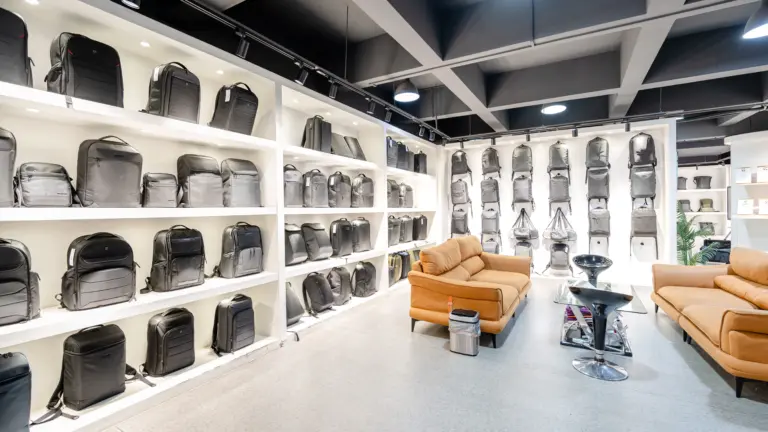
Hiking backpacks are one of the most demanding bag categories to source. They must carry real loads across rough terrain, and users can quickly notice design and construction problems. Outdoor enthusiasts also share detailed reviews that can affect a product line’s success. This OEM sourcing guide explains what outdoor brands, distributors and retail buyers need to consider when working with a hiking backpack manufacturer, including capacity, suspension systems, materials, weather protection and custom features.
Key Takeaways
- Start with capacity and load requirements. 20–35L daypacks, 35–50L multi-day packs and 50L+ expedition packs are different products with different frame and suspension needs.
- Suspension quality depends on the back panel, shoulder straps, hip belt and chest buckle working together. Comfort comes from good pattern design, not just thicker padding.
- Weather protection depends on the full construction, including coated fabrics, taped seams and closure choices. Match the protection level to the target climate instead of choosing the highest rating by default.
- The OEM/ODM choice is especially important for outdoor backpacks. Load-bearing design and ergonomics require real R&D skills and experience.
- Standard custom MOQ is 500 pieces per style per color, with 200–300 piece trial orders available. Sampling takes 7–10 working days, and production takes 30–45 days.
Why Hiking Backpacks Require Specialized Manufacturing
A gym bag or school backpack that fails may upset a customer. A hiking backpack that fails can cause problems ten kilometers from the trailhead, when the user is carrying water, shelter and navigation equipment in changing weather. This makes three engineering requirements especially important: structural load support, environmental durability and ergonomic comfort.
The pack must transfer weight to the hips without losing its shape. It must also withstand UV exposure, moisture, rock abrasion and repeated packing. At the same time, it must remain comfortable for users with different body sizes.
This category also rewards technical knowledge and product quality. Outdoor consumers often research products before buying, compare specifications in detail and pay more for quality they can verify. A manufacturer’s engineering skills, testing equipment and access to suitable materials therefore play an important role in the final product. Distributors and retail buyers should give R&D capability and experience in the outdoor category high priority when evaluating suppliers.
Hiking Backpack Capacity: Choosing the Right Size for Each Use
Capacity is the first specification to define because it affects almost every other design decision, including frame requirements, fabric weight, feature count and retail price.
| Capacity Class | Primary Use | Structural Implications | Line Strategy |
|---|---|---|---|
| 20–30L daypack | Day hikes, fast-and-light, via ferrata | No frame needed; suspension focus on back panel and straps | Volume anchor for most brands |
| 30–35L technical daypack | Scrambling, winter day hikes, photography | Reinforced anchor points, tool attachments, compression | Enthusiast tier, feature-led |
| 35–50L multi-day pack | Overnight to week-long treks, hut-to-hut | Internal frame or stays, hip belt becomes structural | Margin tier for committed buyers |
| 50L+ expedition / travel | Expedition load carrying, long-distance trekking | Full frame system, load lifters, heavy-duty fabrics throughout | Flagship credibility tier |
Many successful outdoor lines start with a 25–35L daypack and expand into other capacity ranges. The daypack helps establish the brand’s design style, suspension system and material choices at an accessible price. Larger multi-day packs can then build on the trust earned by the first product.
When planning the range, keep the suspension design consistent across different sizes where possible. This helps customers carry over the fit and feel they know from the daypack to larger packs in the same line.
Hiking Backpack Suspension Systems: Designing for Comfort
Carry comfort affects whether customers recommend a hiking backpack or return it. It depends on four systems working together.
- Back panel. Structured padding with airflow channels or a suspended mesh frame helps keep the load away from the spine while allowing heat and moisture to escape. The shape of the panel, not just its thickness, affects how the pack fits the user’s back on uneven ground.
- Shoulder straps. Wide, anatomically shaped straps with breathable padding help spread pressure across the shoulders. Adjustable attachment points allow the same design to fit different torso lengths.
- Hip belt. On packs above roughly 35L, the hip belt becomes a key structural part of the carry system and transfers most of the load to the hips. Reinforced anchor points and stiffened wings help prevent the belt from rolling or sagging under a heavy load.
- Chest buckle and load stabilization. A non-slip chest buckle helps keep the shoulder straps in position. Compression straps reduce movement inside the pack when it is not fully loaded, helping keep the contents stable on technical terrain.
Ergonomic carry design is a core part of Kingsons’ design work. Breathable padding, wide shoulder straps and non-slip chest buckles are standard elements in the carry systems used across its outdoor and sports lines. These systems are developed by an 11-person team of designers, engineers and material specialists. When evaluating any manufacturer, load the sample to a realistic trail weight and wear it. Problems that are hard to see in photos often become clear within minutes of carrying the pack.
Hiking Backpack Materials and Denier Selection
Outdoor backpack materials must balance weight, abrasion resistance and cost. Rather than using one fabric across the entire pack, a better approach is to select denier levels based on the needs of each panel.
| Fabric | Denier Range | Strengths | Typical Placement |
|---|---|---|---|
| Nylon (polyamide) | 420D–1000D | Best abrasion resistance-to-weight ratio | High-wear panels, base, front |
| Polyester | 600D–1200D | UV-stable, economical, colorfast | Body panels on mid-price lines |
| Recycled rPET | 600D+ | GRS-certifiable sustainability story, near-virgin performance | Full-body on eco-positioned lines |
| Ripstop weaves | Various | Contain tears to the grid square | Lightweight daypack bodies |
| Coated laminates | TPU films on base cloth | Weather barrier, weldable | Wet-climate lines, dry compartments |
A few practical rules help guide material selection. Use a heavier denier or a second fabric layer on the base and other high-abrasion areas. Use lighter fabrics on the upper body to reduce weight. Add a coated or wipe-clean lining where trail grit and moisture are likely to collect.
Access to reliable materials is also important. A factory that works with established fabric suppliers and offers Taiwanese-imported nylon and GRS-certified recycled options can help maintain consistent specifications across repeat orders, rather than changing materials based on short-term market availability.
Weather Protection for Outdoor Lines
Every hiking line needs a stated position on weather, even if that position is “rain cover included, shell is water-resistant.” The decision ladder runs from DWR-treated woven fabric, through PU- or TPU-coated shells with taped seams, to fully welded submersion-class construction for paddling-adjacent products. Each step adds cost, weight and stiffness, so the discipline is matching protection to the target climate and use — a daypack for arid alpine trails needs abrasion resistance more than hydrostatic head, while a UK or Pacific Northwest line justifies taped seams and coated zippers as standard.
The construction methods behind each protection level — coatings, seam taping versus welding, coated and airtight zippers, IPX test definitions — are covered in detail in our waterproof backpack manufacturing guide. Two outdoor-specific notes: hydration-compatible packs need a routed port that does not compromise the weather barrier, and a removable rain cover stowed in a base pocket is often the most economical route to storm performance on a water-resistant shell.
Custom Hiking Backpack Features
Beyond the carry system and outer shell, outdoor buyers can choose from a range of features. Each feature should match the activity the pack is designed for.
| Feature | Function | Cost Weight | Specify When |
|---|---|---|---|
| Hydration sleeve and port | Routes a reservoir hose over the shoulder | Low | Most daypack and multi-day programs |
| Trekking pole attachment | Secures poles on the fly | Low | Alpine and long-distance lines |
| Removable rain cover | Storm shell stowed in base pocket | Low–medium | Wet-climate programs |
| Compression straps | Stabilizes partial loads | Low | Packs above 35L |
| Anti-theft pocket | Hidden rear-panel valuables storage | Low | Travel-adjacent outdoor hybrids |
| USB charging port | External port to power bank pocket | Medium | Commute-crossover designs |
| Load lifter straps | Pulls load toward the shoulders on tall packs | Medium | 50L+ expedition tier |
Two rules help keep the feature list focused. First, choose features based on the main activity the pack is designed for. Remove features that serve a different sport. A pack designed for every activity may not serve any one activity well.
Second, check the structural impact of each feature during sampling. A pole attachment that tears away from its stitching is worse than having no attachment at all. Reinforcement requirements should therefore be included in the technical pack, not left to the marketing copy.
OEM vs. ODM: Choosing the Right Model for Outdoor Backpack Brands
With OEM manufacturing, the buyer provides a finished design or technical pack, and the factory focuses on producing it accurately and consistently. With ODM, the buyer provides a market brief covering the target user, price range and product position. The manufacturer’s design and engineering team then works with the buyer to develop the product.
This difference is especially important for outdoor backpacks. Much of a backpack’s value lies in its load-bearing structure and ergonomic design. These are areas where an ODM partner with strong design and engineering skills can make a real contribution.
For new outdoor brands without their own product engineer, ODM can provide a more direct route to developing a first product line. The process can move from concept to sample with support from the manufacturer’s designers, material specialists and pattern engineers, with prototype iterations measured in days.
Established brands with their own designs may prefer OEM. Before placing an order, they should confirm that the factory can meet the required construction tolerances and that design confidentiality is protected by contract.
Our OEM versus ODM manufacturing guide explains the differences in development work, tooling and intellectual property ownership in more detail.
Hiking Backpack Quality Testing: What to Check
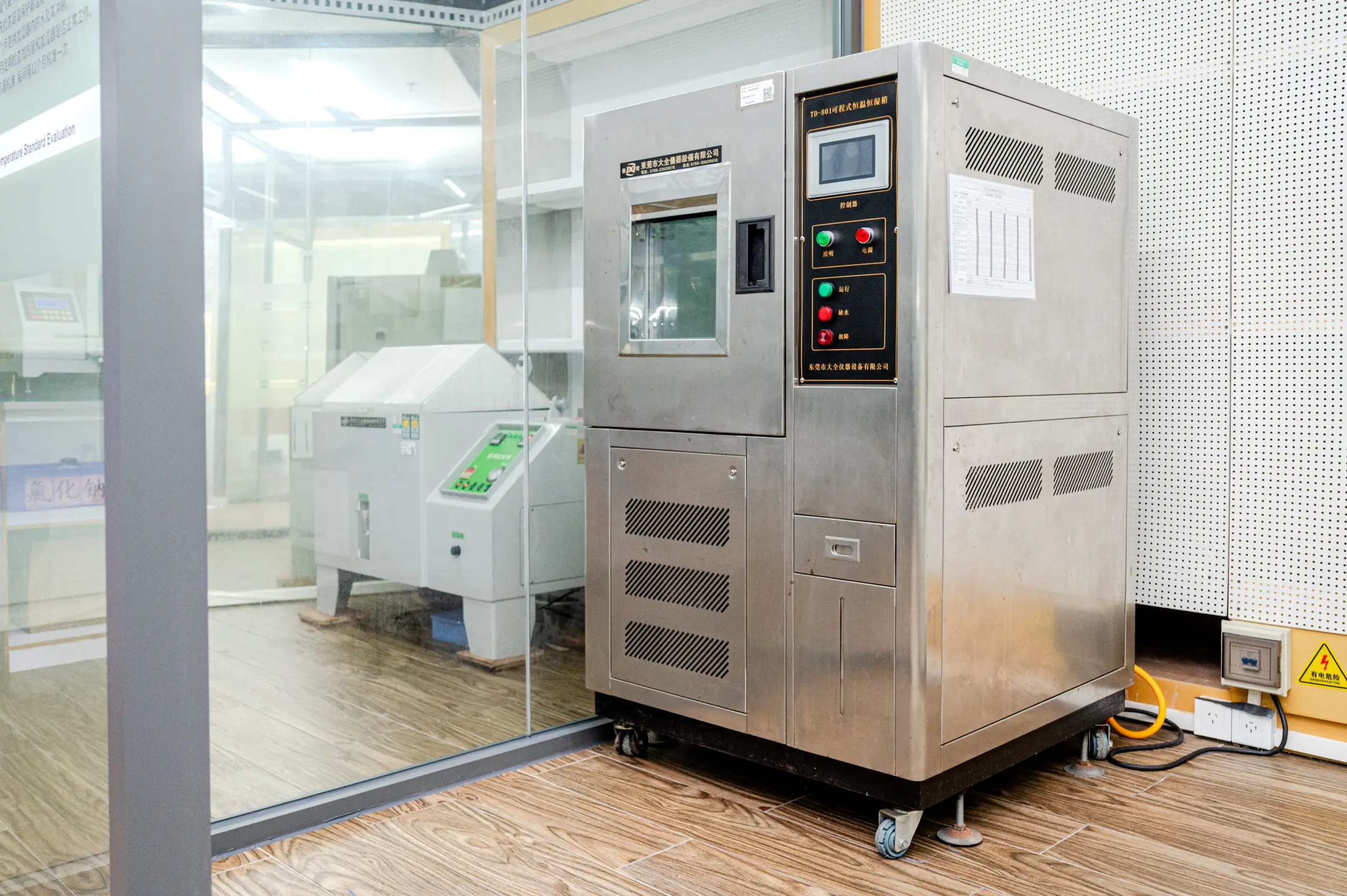
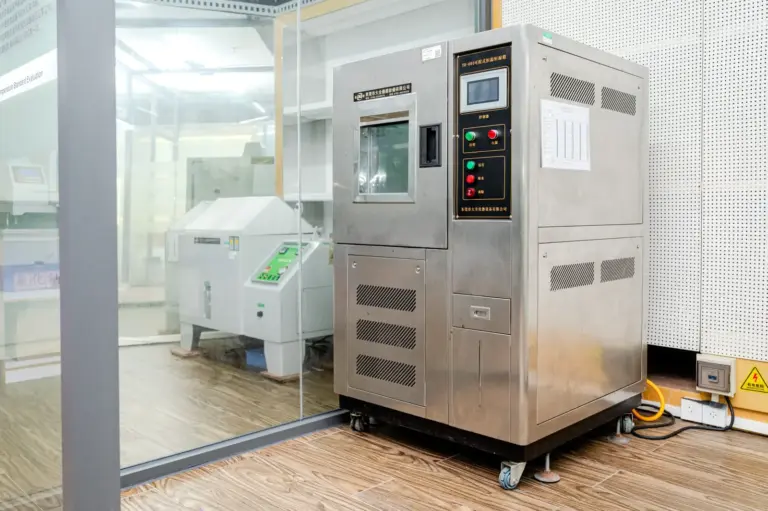
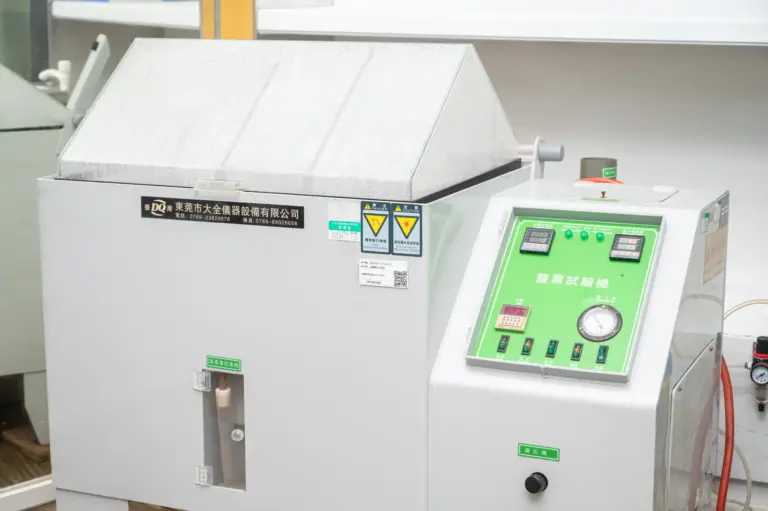
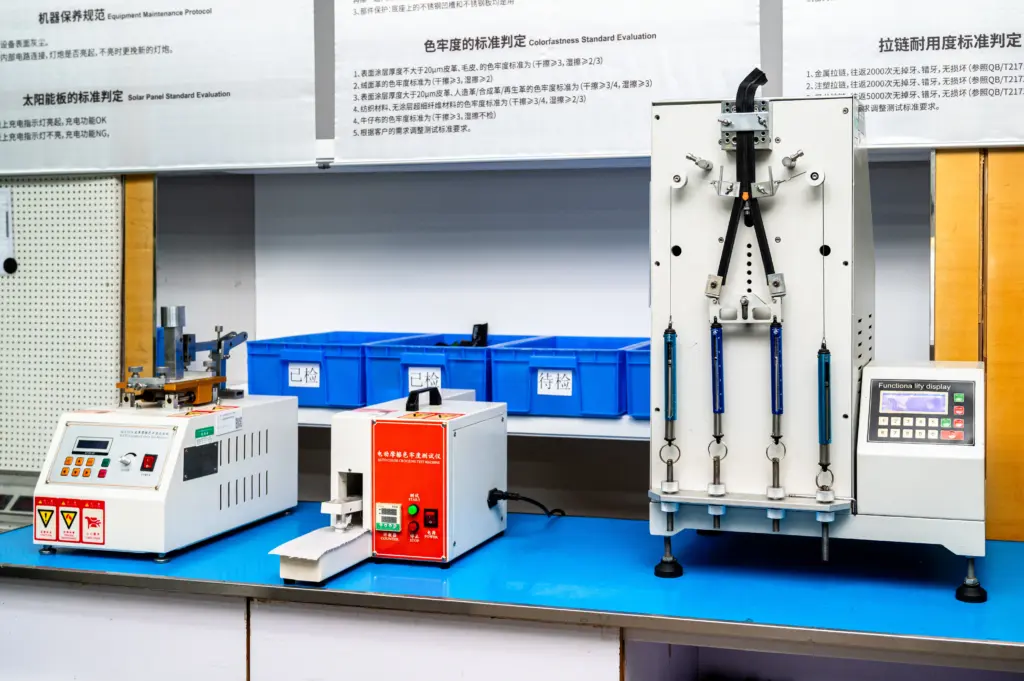
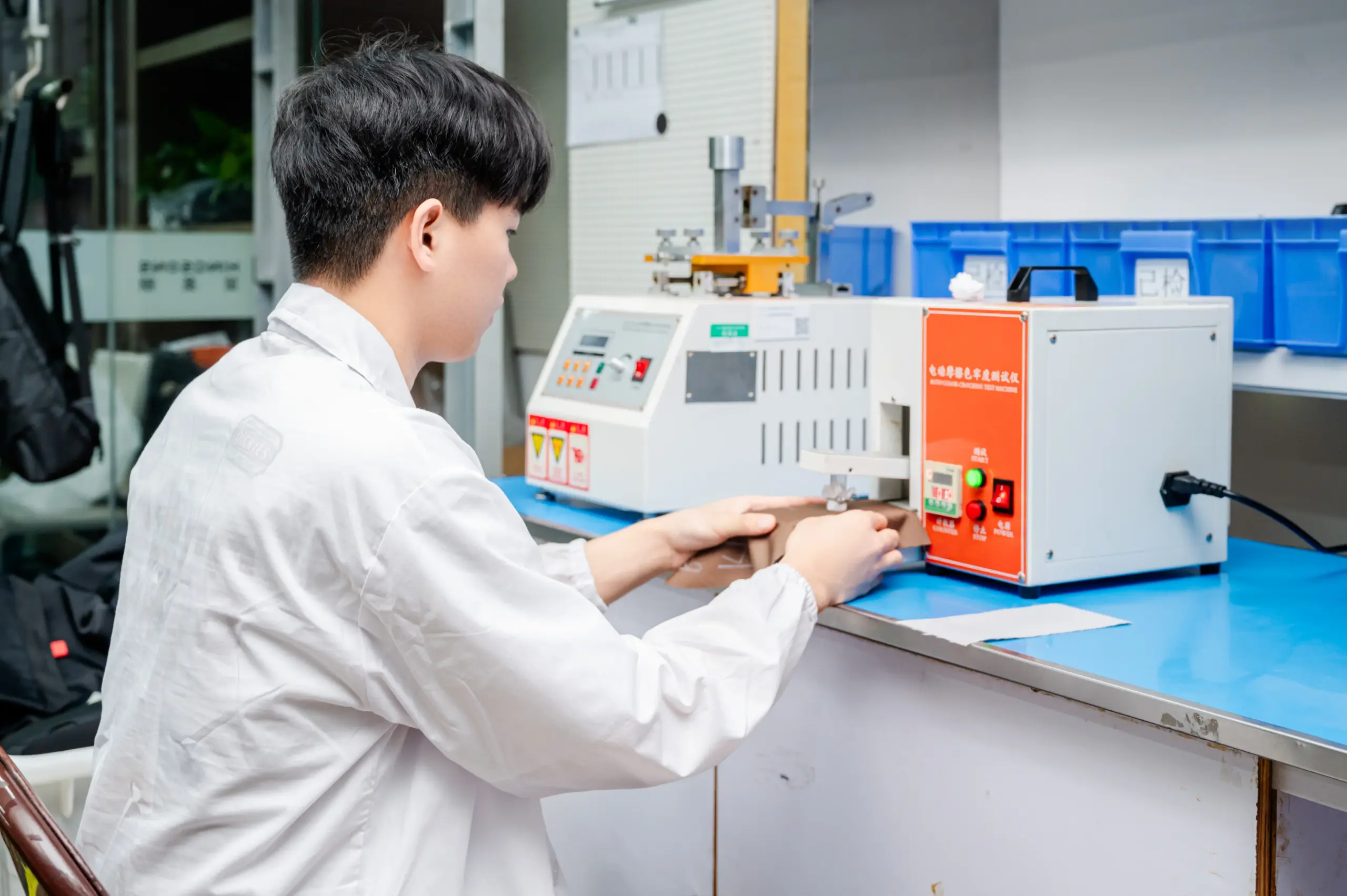
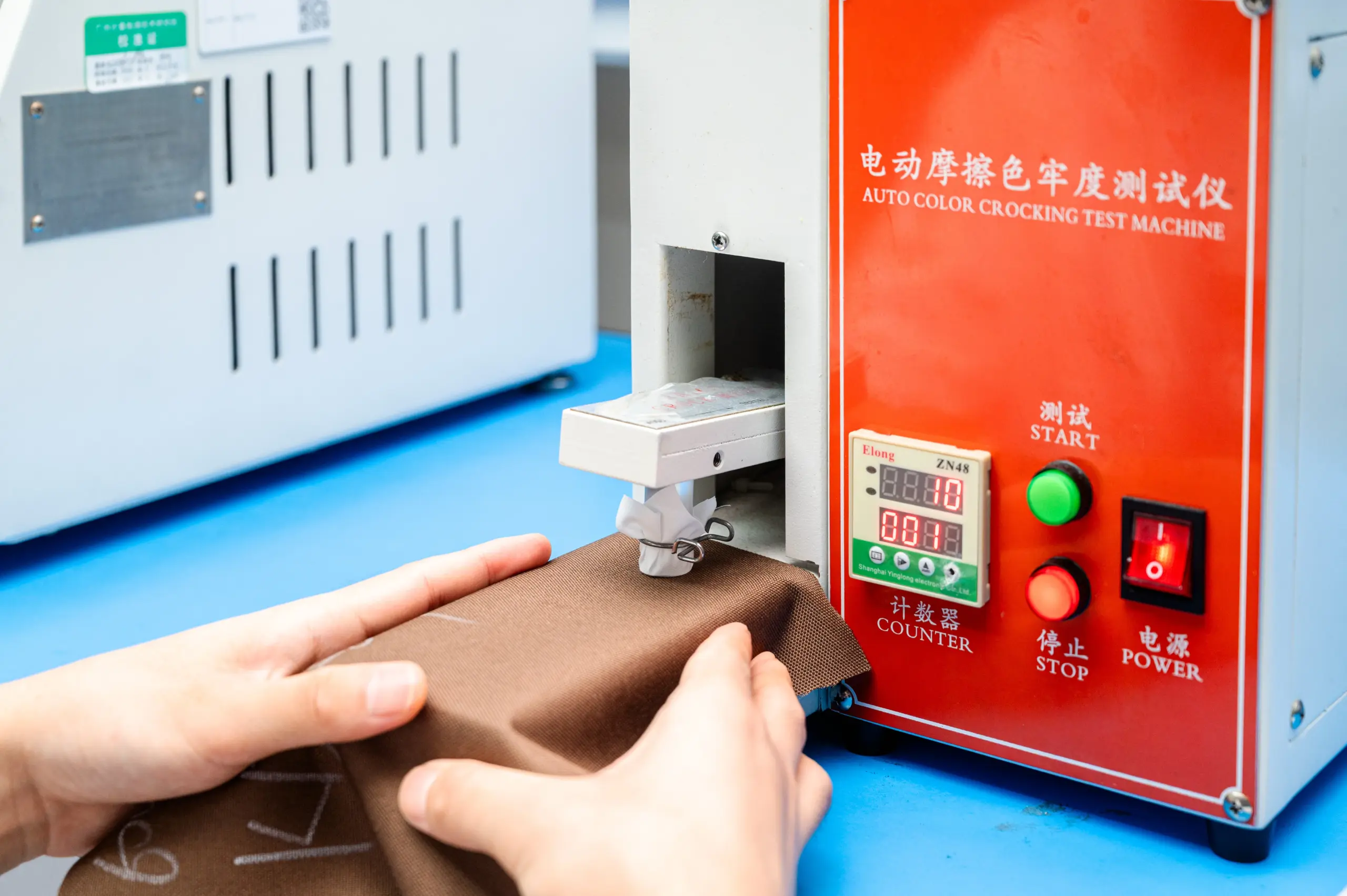
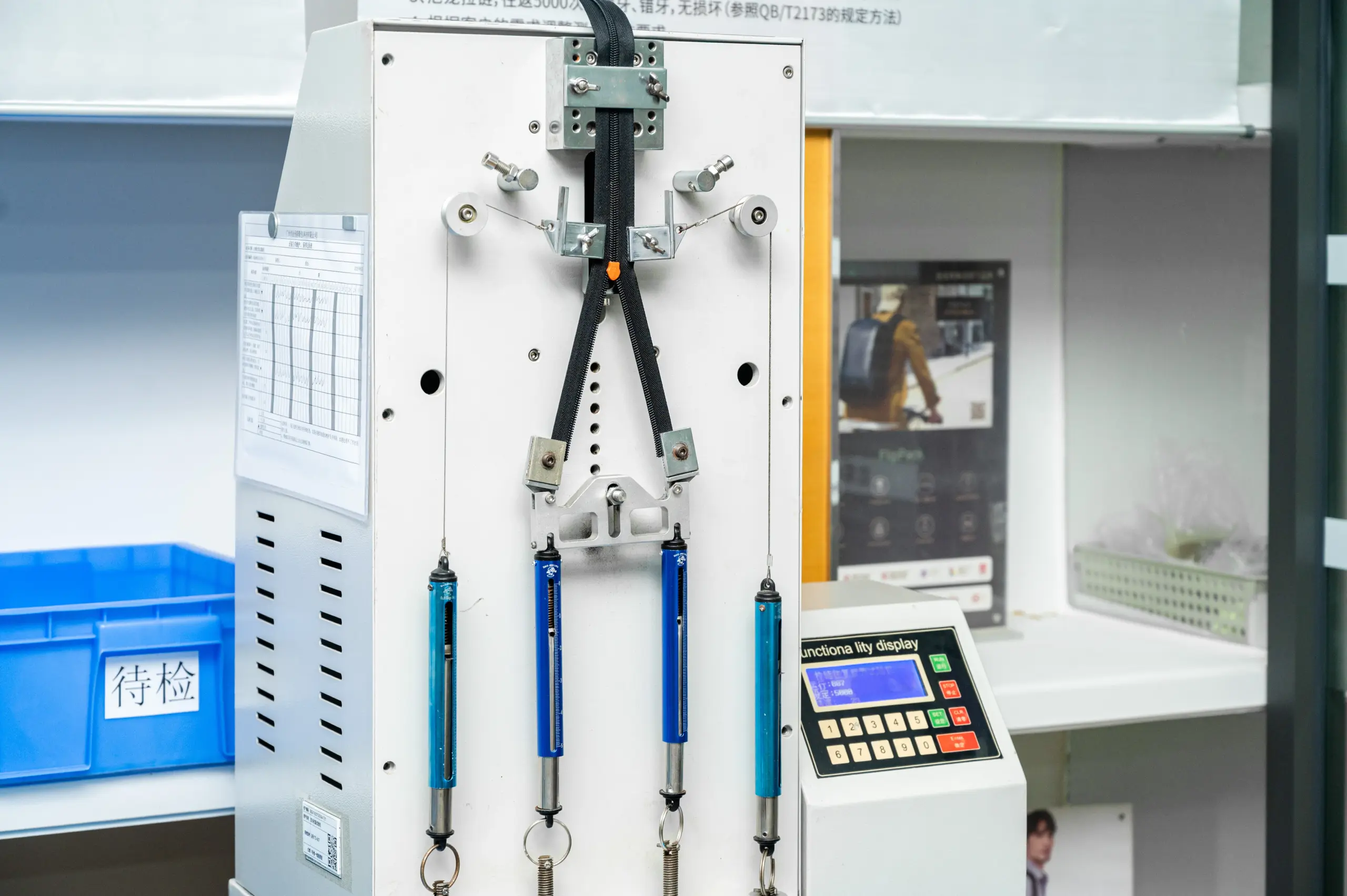
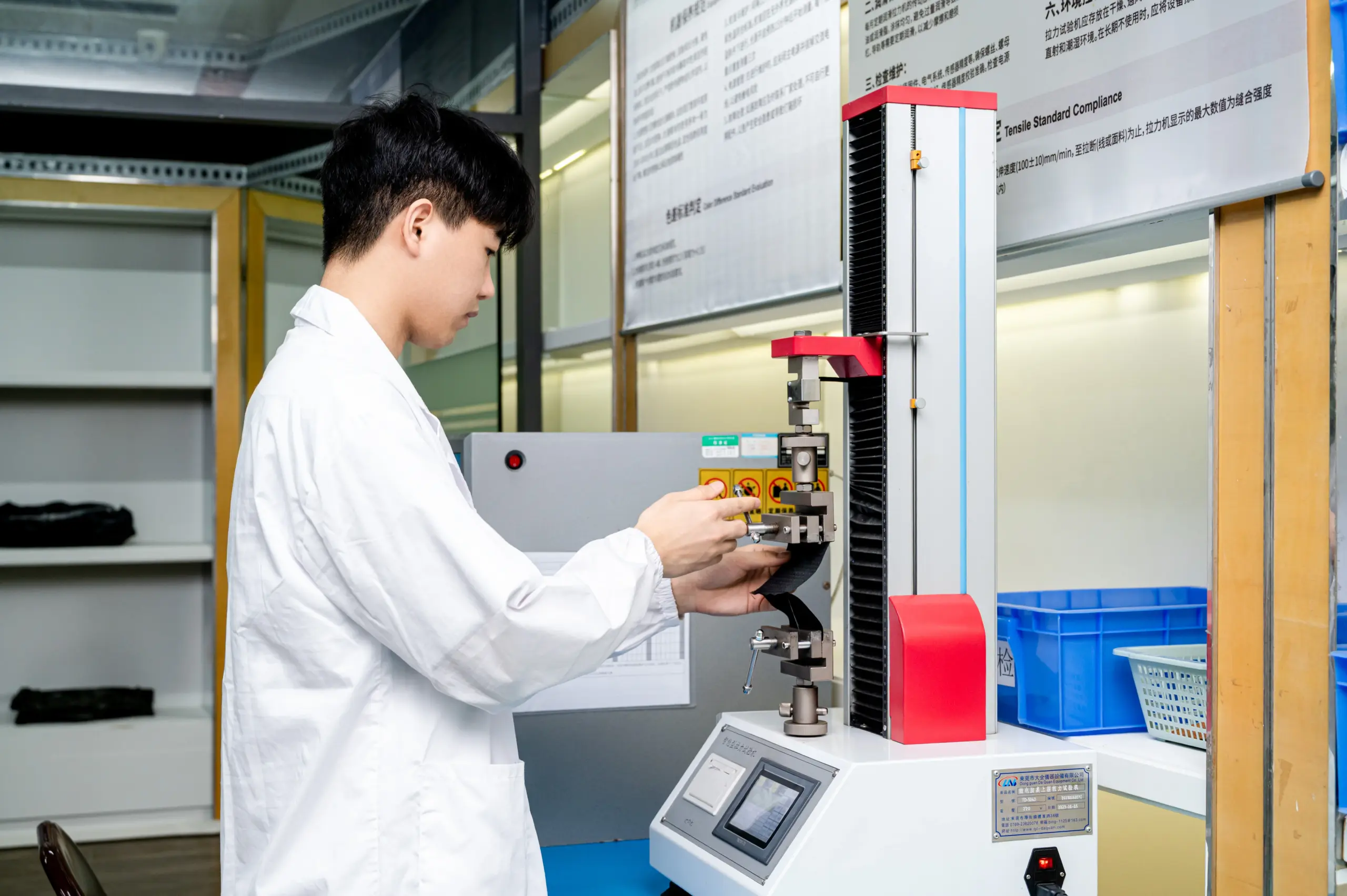
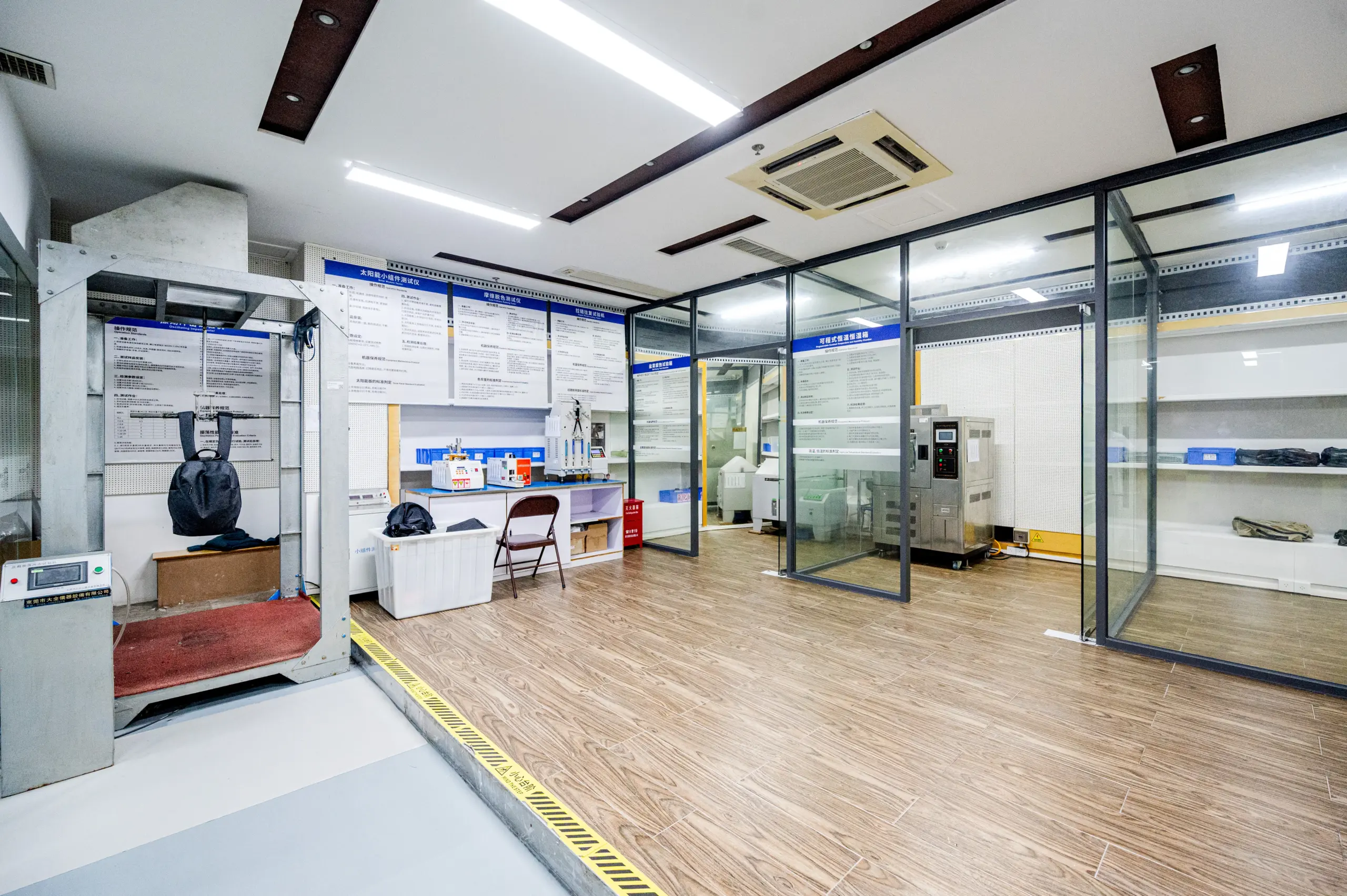
Product claims depend on testing. A basic testing plan for a hiking backpack program should cover strap, anchor point and webbing tensile tests; zipper reciprocation cycles for every closure type; fabric abrasion and colorfastness checks; salt-spray testing for hardware corrosion; and shock and vibration tests that simulate transport and trail use.
If weather protection is part of the specification, water-resistance tests on both materials and finished assemblies should also be included.
Ask where each test is carried out. Kingsons has tensile machines, waterproof testing instruments, zipper reciprocation testers and dimensional measurement equipment in its own QC workshop. In-house testing can provide results in days and support checks across production lots, rather than relying only on the sample approved at the start.
If all testing is subcontracted, feedback may take longer, and differences between production lots may be harder to identify before delivery. Our manufacturer selection guide explains how buyers can assess a supplier’s quality system.
Hiking Backpack MOQ, Sampling and Production Lead Time
Custom bag production follows a standard commercial structure: 500 pieces per style per color as the base MOQ, trial orders of 200–300 pieces negotiable at an adjusted price, small-batch production from 50 pieces for pilot drops and market tests, and 200 pieces for logo-only runs on existing models.
Sampling takes 7–10 working days for adapted designs and longer for full ODM development. Mass production takes 30–45 days.
Payment options include T/T with a 30 percent deposit, L/C at sight and Alibaba Trade Assurance. Available delivery terms include FOB, CIF, CFR and DDP.
The outdoor calendar is an important planning factor. Product lines often launch for the spring and autumn trail seasons, so development should start 4–6 months before launch. Allow time for two to four sampling iterations for a suspension-led design, production and ocean freight.
A factory with 20 production lines and monthly capacity of around 300,000 pieces can support this schedule without the production plan slipping into the launch window. Sufficient capacity helps turn a successful development process into an on-time launch. Our China backpack manufacturing guide compares manufacturing bases and explains what they can mean for outdoor backpack programs.
Certifications, Materials and Sustainability Positioning
Outdoor consumers pay close attention to sustainability claims, so the supporting documents are an important part of the product. One way to verify recycled content is through GRS certification. Recycled PET shells and linings can be supported by certificate numbers that help trace the materials through the supply chain.
At the factory level, relevant management and social compliance systems include ISO 9001/14001/45001, BSCI and SEDEX. Product-side testing may include SGS, CE, FCC and RoHS requirements when electronic features are part of the design.
Two practical rules help keep sustainability claims accurate. First, support every environmental claim with a certificate that can be provided for review. Second, consider regional compliance requirements from the start of product development.
European programs often focus on eco-friendly materials and light weight. North American buyers may place more value on a wider range of features and clear technical information. Middle East markets may focus on premium finishes and materials suited to sun and heat.
A manufacturer with a broad range of certifications can help brands adjust product positioning for different regions without having to reassess the entire supply chain each time.
How to Choose a Hiking Backpack Manufacturer
When evaluating suppliers for an outdoor backpack program, consider the following factors in order of importance.
- Category engineering depth. Suspension systems, load paths and ergonomic design require real R&D skills. Ask who develops the carry system and what measurements are used to evaluate it.
- Testing infrastructure. Check whether the factory has in-house tensile, zipper, abrasion, salt-spray and waterproof testing equipment, and whether test results are linked to production lots.
- Materials access. Look for established fabric suppliers, access to imported nylon, GRS-certified recycled options, and hardware from specialist brands such as ITW and SFS, with zippers from YKK, SBS or SAB.
- Capacity and calendar discipline. Check whether the factory has enough production capacity and provides realistic development timelines.
- Certification coverage. Review ISO, BSCI, SEDEX and GRS certifications, along with experience in retailer audits and the supporting documents buyers may request.
- Track record with brands. Corporate and OEM programs for recognized brands can indicate experience in meeting brand requirements, protecting confidential designs and maintaining consistency across repeat orders.
Kingsons offers OEM/ODM manufacturing supported by a 50,000 m² campus in Guangzhou, 20 smart production lines, monthly capacity of 300,000 pieces and 500+ self-developed patents related to functional bag engineering. Its outdoor, sports and gym product lines include hiking backpacks, waterproof builds and event programs.
Corporate-gifting and OEM programs for brands including Huawei, Tesla, Lamborghini and Maserati follow the same production discipline required for outdoor backpack lines.
Common Outdoor Sourcing Mistakes
- Choosing based on photos alone. Suspension and carry quality cannot be judged from product images or renders. Every serious program should include physical samples tested with a realistic trail load.
- Using one fabric across the whole pack. The same denier throughout the product may add unnecessary weight to low-wear panels or leave the base without enough protection. Specify materials by zone.
- Adding too many features. A pack with attachments for every sport may weigh as much as expedition gear without meeting the needs of a specific user. Choose features based on the target activity.
- Treating weather protection as a marketing claim. Define the protection package, including coatings, seam construction and closure types. Otherwise, the factory may make these decisions without a clear specification from the buyer.
- Starting development too close to the launch date. Trail-season launches leave little time to recover from delays. Start development 4–6 months before the target launch window.
A complete technical package prevents most of these before sampling begins. The bag tech pack guide covers the eight components, and a structured walkthrough of the full evaluation process is in our how to choose a bag manufacturer guide.
Frequently Asked Questions
What capacity should our first hiking backpack be?
Most brands anchor on a 25–35L daypack: it serves the largest audience of day hikers, establishes the design language and suspension identity at an accessible price, and avoids the frame-system complexity of larger packs. Multi-day tiers of 35–50L and expedition packs above 50L extend the line once the anchor earns credibility.
What is the MOQ for custom hiking backpacks?
Standard custom production starts at 500 pieces per style per color. Trial orders of 200–300 pieces are negotiable at an adjusted price, small-batch flexible runs start from 50 pieces for pilot drops, and logo-only runs on existing factory models start at 200 pieces.
OEM or ODM — which fits a new outdoor brand?
If you have a finished design and engineering documentation, OEM executes it faithfully. If you have a market brief but no product engineer, ODM brings the manufacturer’s design team into development — Kingsons’ ODM flow runs from concept through an 11-person design, engineering and materials team to sample in days rather than months. Established brands with proprietary designs should stay OEM with contractual design protection.
How long does hiking backpack development take?
Sampling takes 7–10 working days for adapted designs and longer for full ODM development; expect two to four iterations for a suspension-led pack. Mass production runs 30–45 days. Against a trail-season launch, start development 4–6 months ahead including ocean freight.
Can hiking backpacks use recycled materials without losing durability?
Yes. GRS-certified recycled polyester delivers performance close to virgin fabric and carries certificate-traceable recycled content for your product page. Verify with tensile and abrasion test results on the recycled fabric during sampling, and consider running heavier denier on the base panel where abrasion concentrates.
What tests should a hiking backpack pass before production?
Tensile tests on straps and anchor points, zipper reciprocation on every closure type, fabric abrasion and color-fastness checks, hardware salt-spray testing, and shock and vibration testing. Weather-resistant designs add water testing on materials and finished assemblies. Confirm which tests the factory runs in-house and attach the reports to the golden sample.
Developing a hiking or outdoor backpack line? Kingsons engineers outdoor, sports and gym bags at a 50,000 m² campus with 20 production lines, 300,000 pieces monthly capacity and in-house tensile, waterproof and zipper testing — backed by 500+ patents and ISO/BSCI/SEDEX/GRS certification.
OEM & ODM programs · MOQ from 500 pcs · Sampling 7–10 days · GRS recycled material options