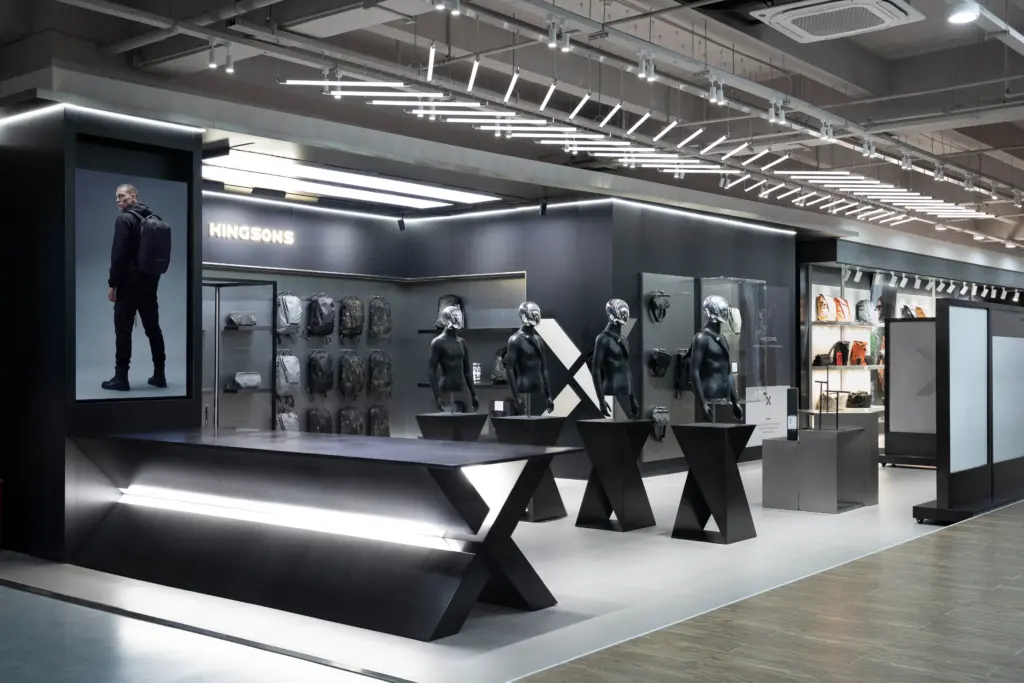
Premium and designer handbags are not simply more expensive versions of ordinary ones. They are held to a different standard at every step — the grade of hide, the weight and finish of the metal, the symmetry of a seam, the way an edge is painted and cured. A buyer at this level is comparing a factory’s tolerance for imperfection more than its unit price.
This guide sets out what luxury and designer brands require from a manufacturing partner, and how those requirements show up in materials, 하드웨어, finishing and quality control.
주요 시사점
- Premium handbag work is defined by tolerance, not features: consistent hide grading, symmetrical construction, defect-free finishing and matched hardware across a limited run.
- Material sourcing is the first requirement — full-grain and correctly graded leathers, quality PU, and linings chosen for hand feel, not just cost.
- Hardware at the premium level is solid, plated and polished, with weight and a durable finish; stamped, painted fittings read as counterfeit.
- Finishing details — skived edges, edge paint, corner alignment, stitch density per inch — are where a luxury piece is judged.
- Brand protection matters: controlled patterns, restricted tooling, confidentiality and the ability to hold a small, tight run.
- Realistic premium MOQ is lower volume at higher unit cost; expect small runs, longer sampling and per-piece inspection.
What “Premium” Actually Demands of a Factory
Luxury is a quality-system problem before it is a design problem. Any workshop can produce one excellent sample; the test a designer brand applies is whether pieces 5 그리고 500 are indistinguishable. That requires documented grading, controlled process and inspection at every gate, which is why premium brands audit factories rather than simply order from them.
| Requirement | Ordinary Bag | Premium / Designer Bag |
|---|---|---|
| Material grading | Roll-average, some variance accepted | Hides graded for match; reject marks |
| 하드웨어 | Stamped, painted fittings | Solid, plated, 우아한, weighted |
| Edges & finishing | Bound or raw cut | Skived and multi-coat edge paint |
| Stitching | Functional SPI | Even, high SPI, no visible faults on curves |
| Inspection | Batch AQL | Near per-piece inspection and touch-up |
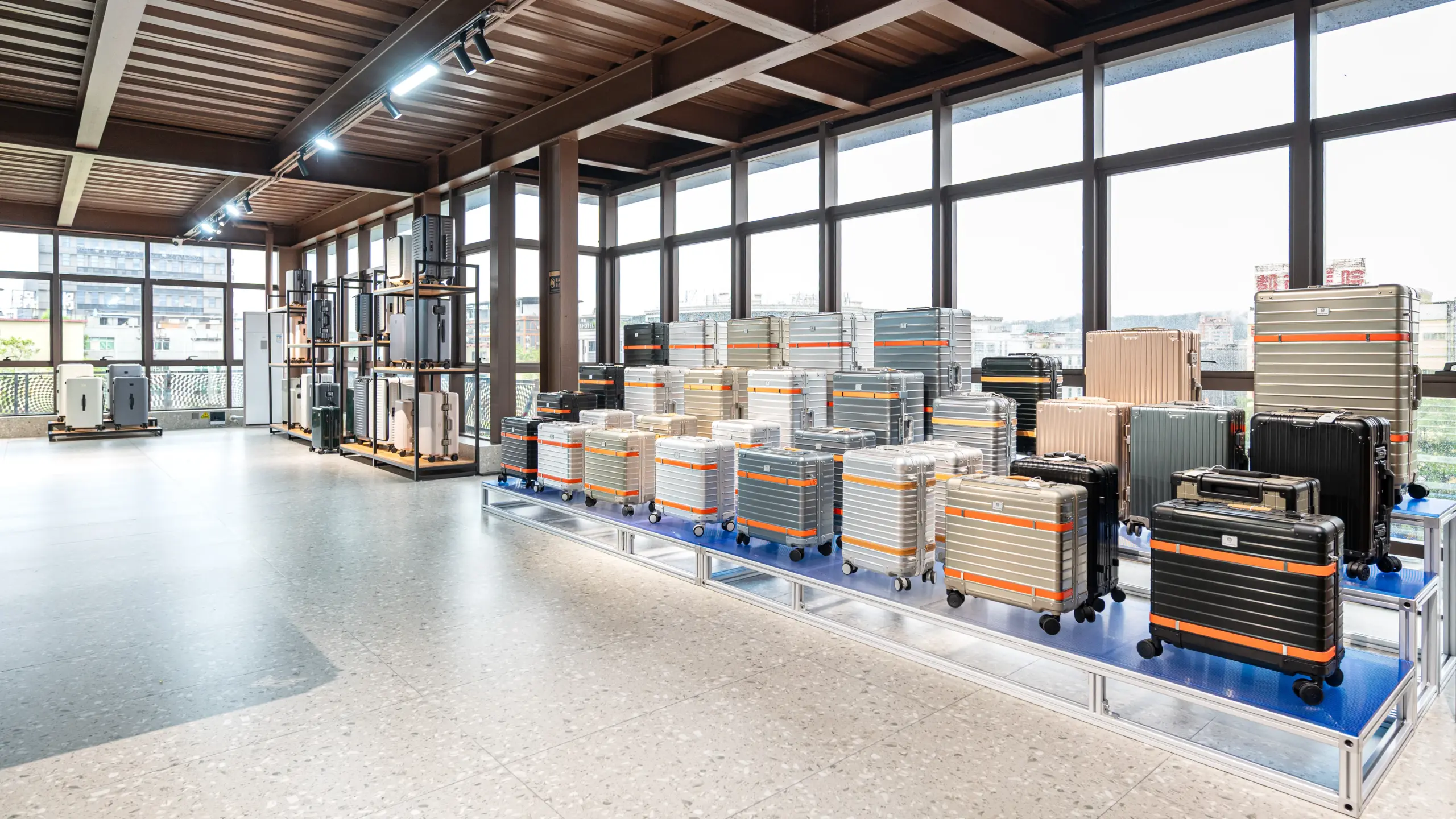
Kingsons has produced branded and gift programs for internationally recognised names and holds documented process control through ISO9001, with social and environmental audits (BSCI, 삼, ISO14001, ISO45001) that luxury retail compliance teams expect to see before onboarding a supplier.
Materials: The Foundation of a Luxury Handbag
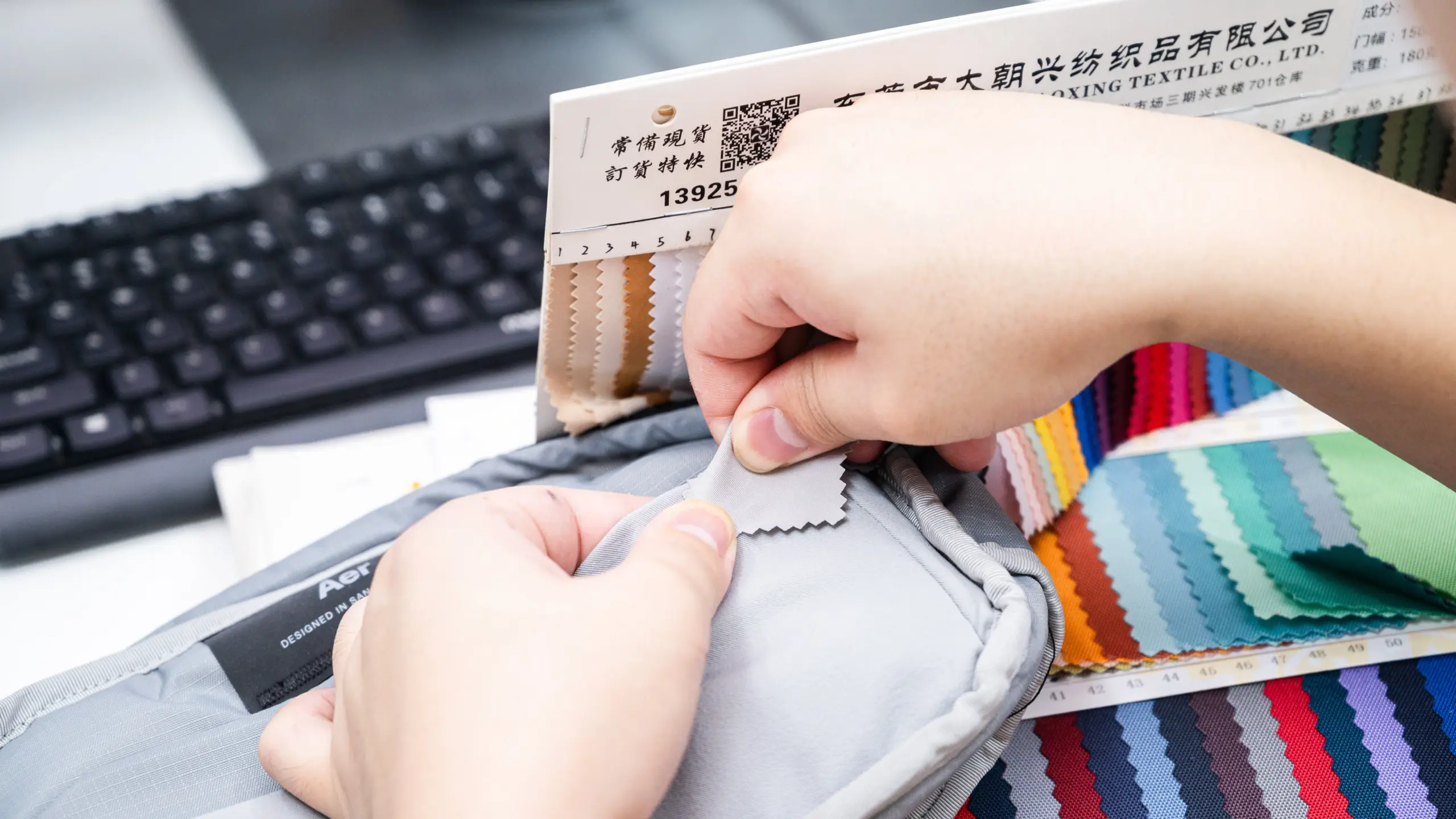
At the premium level, sourcing begins with the hide. Full-grain and top-grain leathers are selected for consistency of grain and thickness, with marked or scarred sections cut out rather than used. For a designer line, a factory’s ability to grade and match hides across a run — so panels on one bag read as one animal, and bags across the run match each other — is a core capability, not a detail.
- Cowhide: structured, 튼튼한, develops patina; the workhorse of premium totes and top-handle bags.
- Sheepskin / lambskin: soft and supple for luxury-look flaps and clutches, but more delicate.
- Quality PU and coated canvas: consistent and priceable for premium-accessible and sustainability-positioned lines.
- Lining: suede-cloth, microfiber or quality textile chosen for hand feel and the way it presents the interior.
Kingsons sources imported Korean leather and material from established suppliers including Covestro, Teijin and Arkema, and offers GRS-certified recycled options for eco-luxury briefs. Because material grade is where a premium claim is quietly broken or kept, ask any supplier to show how they grade, match and reject hides, not just what they can supply. 우리의 materials guide covers the trade-offs.
Hardware and Finishing: Where Luxury Lives or Dies
A buyer cannot feel a fabric’s denier, but they immediately feel a clasp. Premium hardware is solid rather than hollow, plated and polished to a consistent finish, and weighted so it closes with authority. Stamped, painted fittings that flake within a season are the single clearest tell of a bag pretending to be more than it is. Kingsons finishes metal hardware through hand-plating and hand-polishing, sourcing from recognised suppliers including SFS and ITW, with YKK, SBS and SAB zippers.
Finishing is equally decisive. Skiving thins leather at folds so seams sit flat; edge paint is applied in multiple thin coats and cured for a smooth, sealed edge; corners align and hardware sits square. These steps are labour-intensive, which is exactly why premium runs are small and priced higher — they cannot be rushed through a high-volume line without faults. 우리의 품질 관리 및 테스트 가이드 explains the tests (including hardware salt-spray corrosion testing) that confirm a finish will last.
Design Capability and Brand Protection
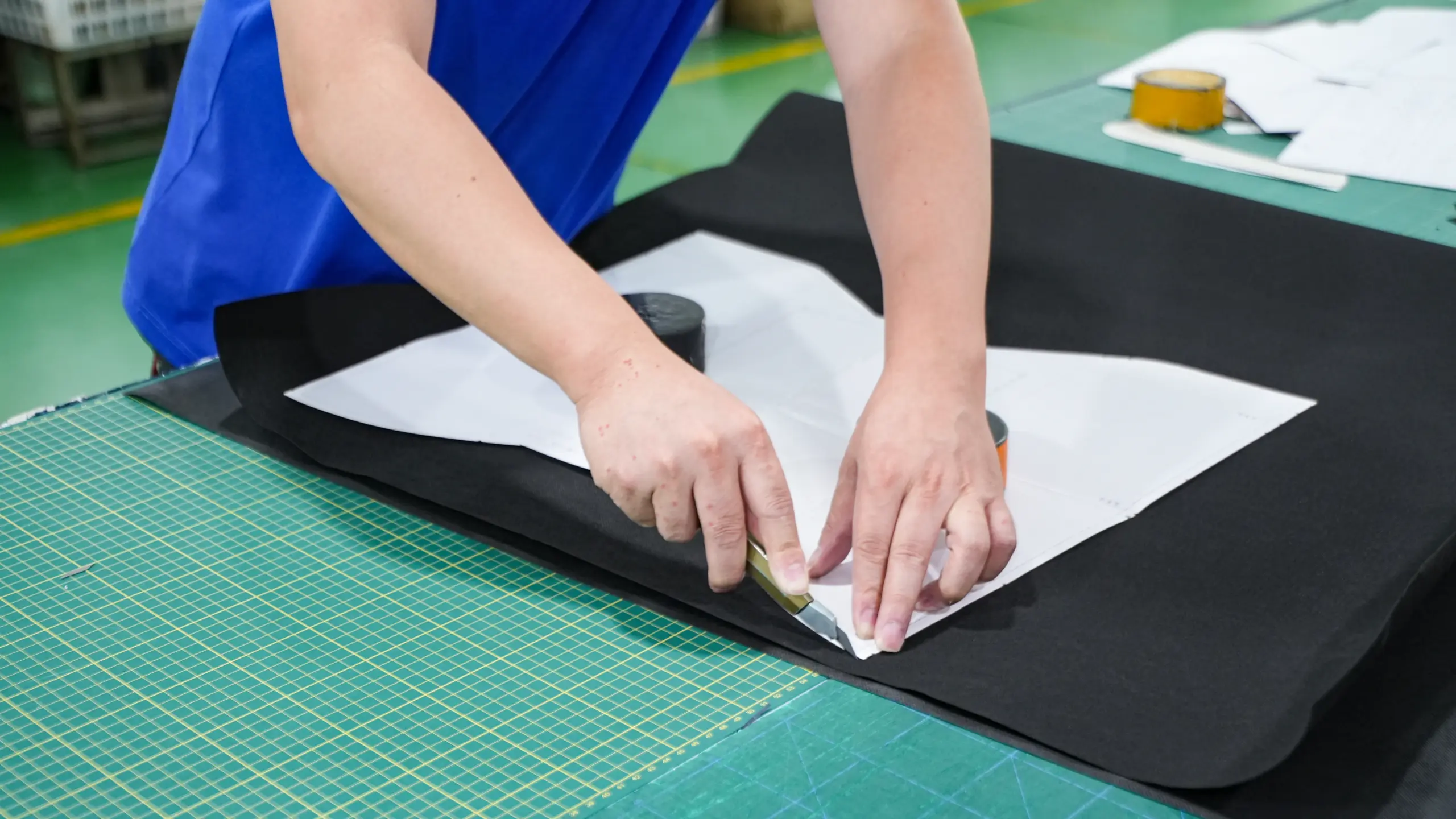
Designer work demands two things a commodity factory cannot offer: genuine design development and strict brand protection. On the design side, the partner must translate a concept into a manufacturable pattern without flattening the idea. Kingsons’ in-house design, materials and pattern team supports full ODM development, backed by more than 500 patents and international design recognition including Red Dot, iF and Good Design awards.
On protection, premium brands require confidentiality, controlled patterns and restricted tooling so a signature silhouette does not reappear on a competitor’s rack. Ask any prospective partner how custom moulds and designs are held, whether the same shape could be sold to another buyer, and what is written into the contract. The OEM-versus-ODM ownership questions are set out in our OEM/ODM guide.

MOQ, Cost and Realistic Expectations
Premium manufacturing inverts the wholesale equation: smaller runs, higher unit cost, longer sampling, and per-piece attention. There is no way to make a tightly controlled, well-finished leather bag at a fashion-mogul price, and a supplier who promises otherwise is cutting a corner you will find out about at retail.
Kingsons’ standard custom MOQ of 500 pieces per style per colour still applies as a baseline, but genuinely premium pieces often run below that with an adjusted price and a heavier inspection load, and mould or hardware tooling for a bespoke design is charged up front and credited against later orders. The honest conversation with any premium partner is about tolerance and finish first, price second.
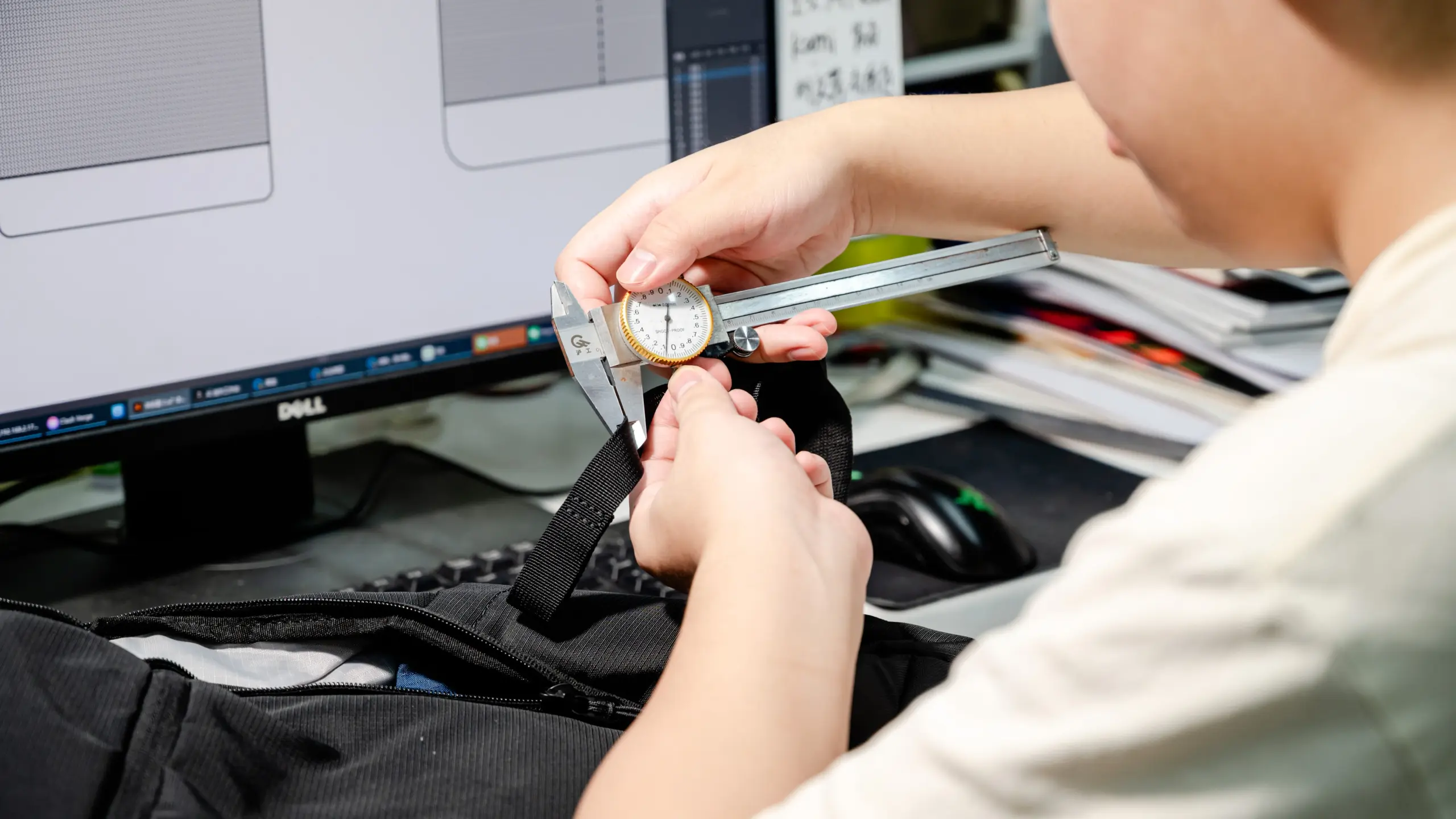
One consequence buyers underestimate is how long premium development takes. Where a stock handbag ships in weeks, a luxury piece usually moves through several rounds of prototypes — a first caliper sample to check proportion, a material-approved sample, then a pre-production sample signed off before the line starts. Kingsons’ sampling runs 7–10 working days per round and mass production 30–45 days after approval, but a premium programme should budget for two or three sample rounds, because the last millimetre of a seam allowance or the exact sheen of a plating is decided on the bench, not in a spec sheet. The premium is not in the logo; it is in the number of decisions someone with taste gets right before the first cut, and in the raw-material controls — graded hides, named hardware suppliers such as YKK, SBS and SAB, and plating sourced from established producers — that keep those decisions consistent from the first piece to the five-hundredth. Ask any premium supplier how many sample rounds they expect and what changes at the pre-production stage; the answer reveals whether they build for finish or merely for speed, and that distinction shows up on every piece that reaches your shelf.
자주 묻는 질문
What makes a handbag manufacturer suitable for luxury brands?
Consistency of tolerance, not a single beautiful sample. A premium-ready factory grades and matches hides, holds symmetry across a run, applies multi-coat edge finishing, uses plated and polished solid hardware, and inspects piece by piece. Documented quality control and social and environmental audits (ISO9001, BSCI, 삼) are what compliance teams check before onboarding a designer supplier.
Which leather and hardware define a premium handbag?
Full-grain and correctly graded cowhide, or soft sheepskin for luxury-look pieces, matched across panels. Hardware should be solid, weighted, plated and polished rather than stamped and painted, from recognised suppliers. Together with skived, multi-coat edge finishing and even high-density stitching, these are the details a buyer notices at retail and that separate a premium bag from a mid-market one.
Is MOQ lower for luxury handbag production?
Genuinely premium runs are usually smaller and cost more per piece, because each bag gets more finishing and inspection time. A factory may produce well below its standard 500-piece MOQ for a premium style at an adjusted price. Bespoke hardware and tooling are charged up front and often credited against later orders, so the premium conversation is about tolerance and finish before price.
How do designer brands protect their designs with a factory?
Through contract terms: confidentiality, controlled patterns, restricted tooling and an agreement that a bespoke silhouette and moulds are not sold to other buyers. Ask any partner directly whether the same shape could appear on a competitor’s line and what prevents it. Ownership of the design differs between OEM (you supply the design) and ODM (the factory co-develops it), so settle that in writing before production.
Can an OEM/ODM factory deliver designer-level quality?
예, when it combines in-house design and pattern development with documented quality control and premium finishing. Kingsons supports ODM development from a concept brief, holds more than 500 patents and international design awards, and runs material, hardware and process control under one roof — the combination a premium brand needs from a manufacturing partner rather than a catalogue supplier.
Bring your premium handbag program to a partner with in-house design, graded materials, plated hardware and documented quality control — trusted by international brands across 27 years of OEM/ODM manufacturing.