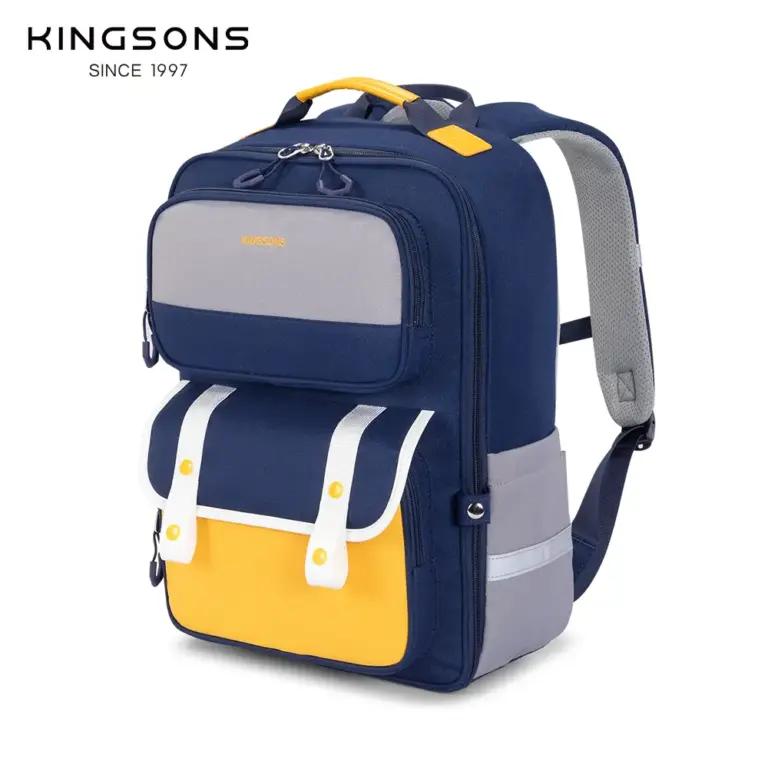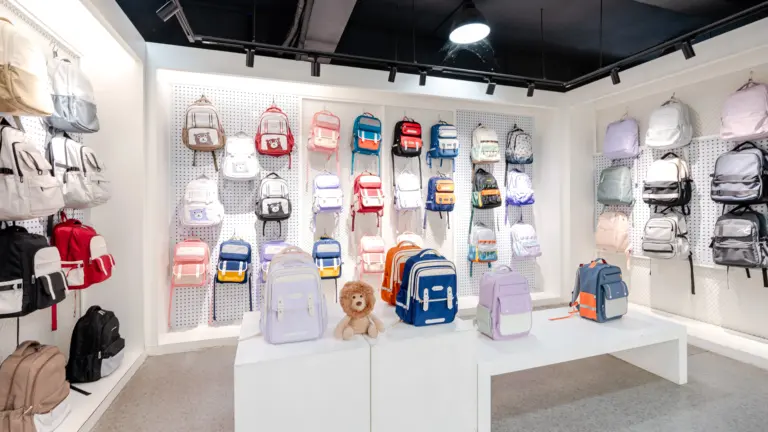
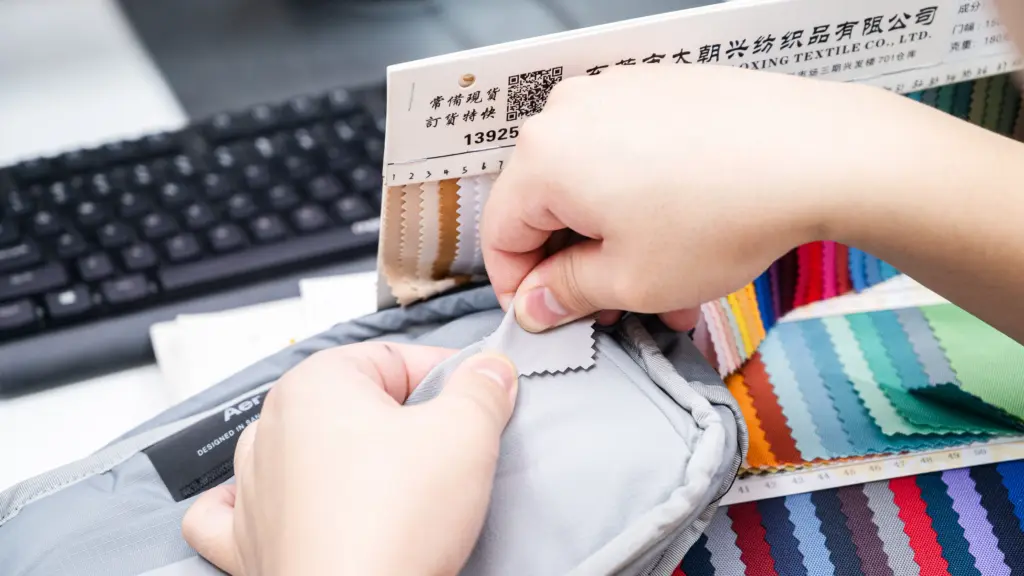
A shipment can clear customs and still be pulled from shelves. In the US and EU the reason is usually chemical and product-safety compliance — REACH in Europe, CPSIA and state rules like California Proposition 65 in America. For an importer of bags, these are not the factory’s problem to solve alone; they are your liability the moment your brand is on the label.
This guide explains what REACH and CPSIA actually require for bags, how to build a compliant supply arrangement with a manufacturer, and which documents to demand before, not after, an order ships.
주요 시사점
- 도달하다 (EU) restricts chemicals in articles, centred on the SVHC candidate list and notification duties; CPSIA (US) governs lead, phthalates and tracking labels, with extra weight on children’s products.
- California Proposition 65 adds a separate US state warning obligation for listed chemicals — a distinct requirement from federal CPSIA.
- Compliance is designed in at material selection, not tested for after production: the foam, dye, 코팅, plasticiser and hardware plating are where restricted substances hide.
- Assemble a documentation pack per product: material declarations, third-party test reports, a supplier conformity statement and, for children’s items, tracking labels and a Children’s Product Certificate.
- Regulations change: the SVHC list grows and enforcement tightens, so put review dates and update duties into the supplier agreement.
- Kingsons carries RoHS, CE and SGS product testing and full-process quality control; obtain current REACH and Prop 65 test reports for your specific product and market before selling.
What REACH Requires for Bags Sold in the EU
REACH is the EU regulation governing the registration, evaluation, authorisation and restriction of chemicals. For a finished article like a bag, the parts that matter to an importer are the restrictions on substances in articles and the SVHC (매우 우려되는 물질) candidate list.
- SVHC notification. If a listed substance is present above 0.1% weight-by-weight in an article, EU suppliers owe communication duties down the chain and, above volume thresholds, notification to ECHA.
- Restrictions (Annex XVII). Specific limits apply to substances used in articles — certain azo dyes in textiles, nickel and lead in fittings, and restricted phthalates in plastics and coatings.
- The list moves. The SVHC candidate list is updated periodically, so a declaration signed last year may no longer cover newly added substances.
Because REACH bites at the material level, compliance is decided when you choose the fabric, foam, 코팅, plasticiser and plated hardware — not when a finished carton is tested. A manufacturer that specifies compliant raw materials from established suppliers is far easier to keep compliant than one that substitutes to hit a price. For how materials get checked line by line, see our 품질 관리 및 테스트 가이드.

What CPSIA Requires for Bags Sold in the US
The Consumer Product Safety Improvement Act (CPSIA) is a US federal law with particular force on children’s products — relevant because school bags and kids’ backpacks fall squarely in scope.
| Requirement | Applies To | What It Means for Bags |
|---|---|---|
| Total lead limit | Children’s products & surfaces | Paint, coatings and accessible substrates tested to CPSIA limits |
| Phthalates limits | Children’s toys & child-care articles | Restricted in PVC and printed/soft plastic parts |
| Tracking label | Children’s products | Manufacturer, batch and date marked on product and packaging |
| CPC + third-party test | Children’s products | Children’s Product Certificate backed by a CPSC-accepted lab |
For general adult bags the CPSIA children’s rules do not apply, but the Consumer Product Safety Commission still expects products to be free of substantial hazards, and some states add their own requirements. If any part of your range is marketed to children, treat CPSIA testing and certification as mandatory before import.
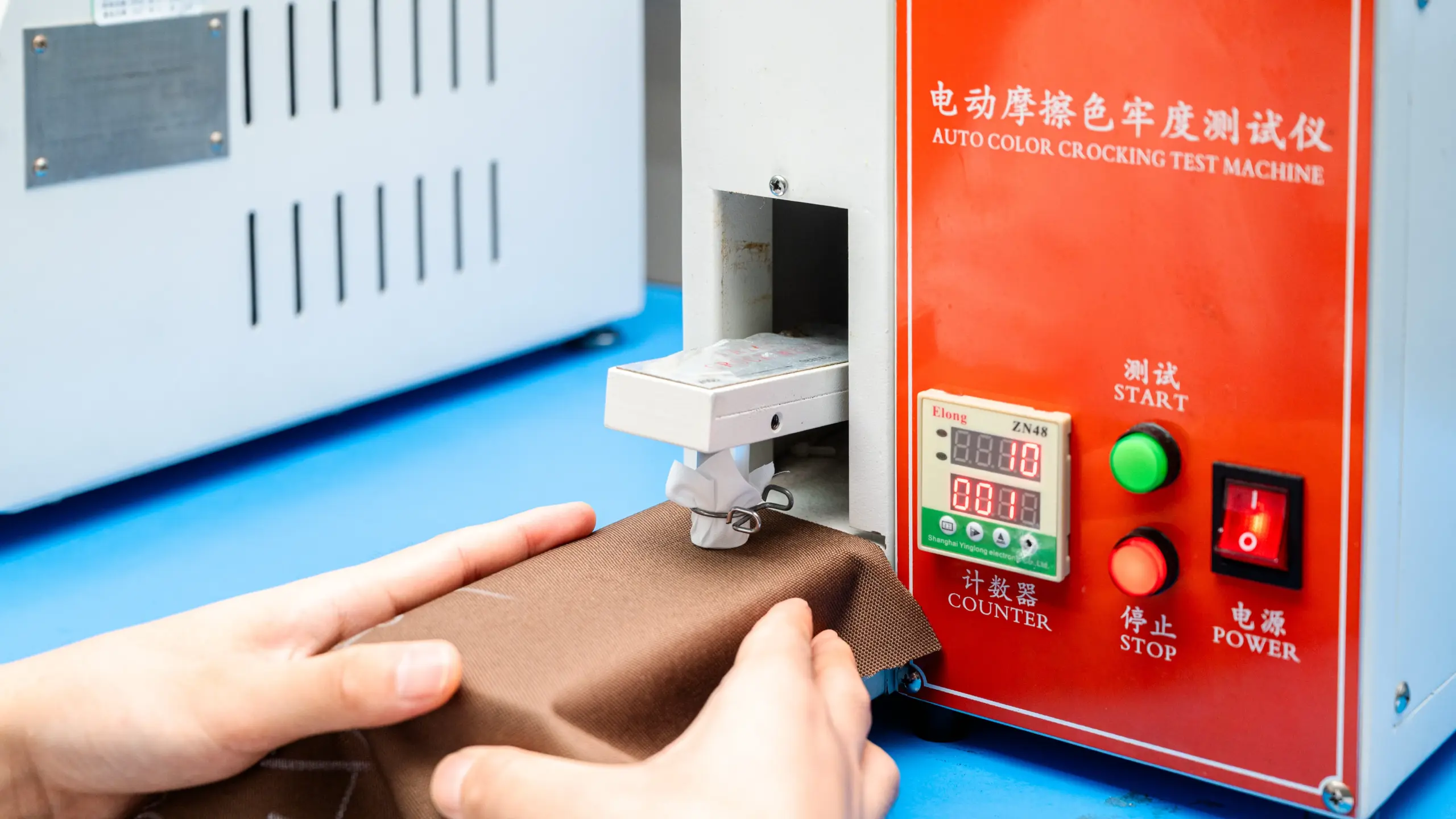
California Proposition 65 and Other State Rules
Proposition 65 is not a federal safety ban. It is a California warning law: if a product exposes consumers to listed chemicals above safe-harbour thresholds, a clear and reasonable warning is required. It is separate from CPSIA and trips up importers who assume federal compliance covers it.
Common Prop 65-relevant substances in bags include certain phthalates in soft plastics, lead in metal fittings or printed artwork, and some dyes. The practical defence is to specify compliant materials and hold current test data for each component that could trigger a warning, and to add labelling where exposure cannot be ruled out. Because enforcement is driven by private litigation, the risk is commercial as much as regulatory.
Building a Compliant Supply Arrangement
Compliance is a shared structure between importer and manufacturer. Rather than trusting a verbal “it is compliant,” build the evidence into the order from the first conversation. Choosing a supplier whose systems you can actually verify matters as much as the paperwork — our manufacturer vetting checklist shows what to confirm before an order.
- Declare the market and product type up front. Tell the factory whether the bag is an adult product or a children’s product, and its destination; the requirements differ sharply.
- Specify restricted-substance limits in the tech pack. State the REACH SVHC threshold, CPSIA lead and phthalate limits and any Prop 65 targets as material requirements, not afterthoughts.
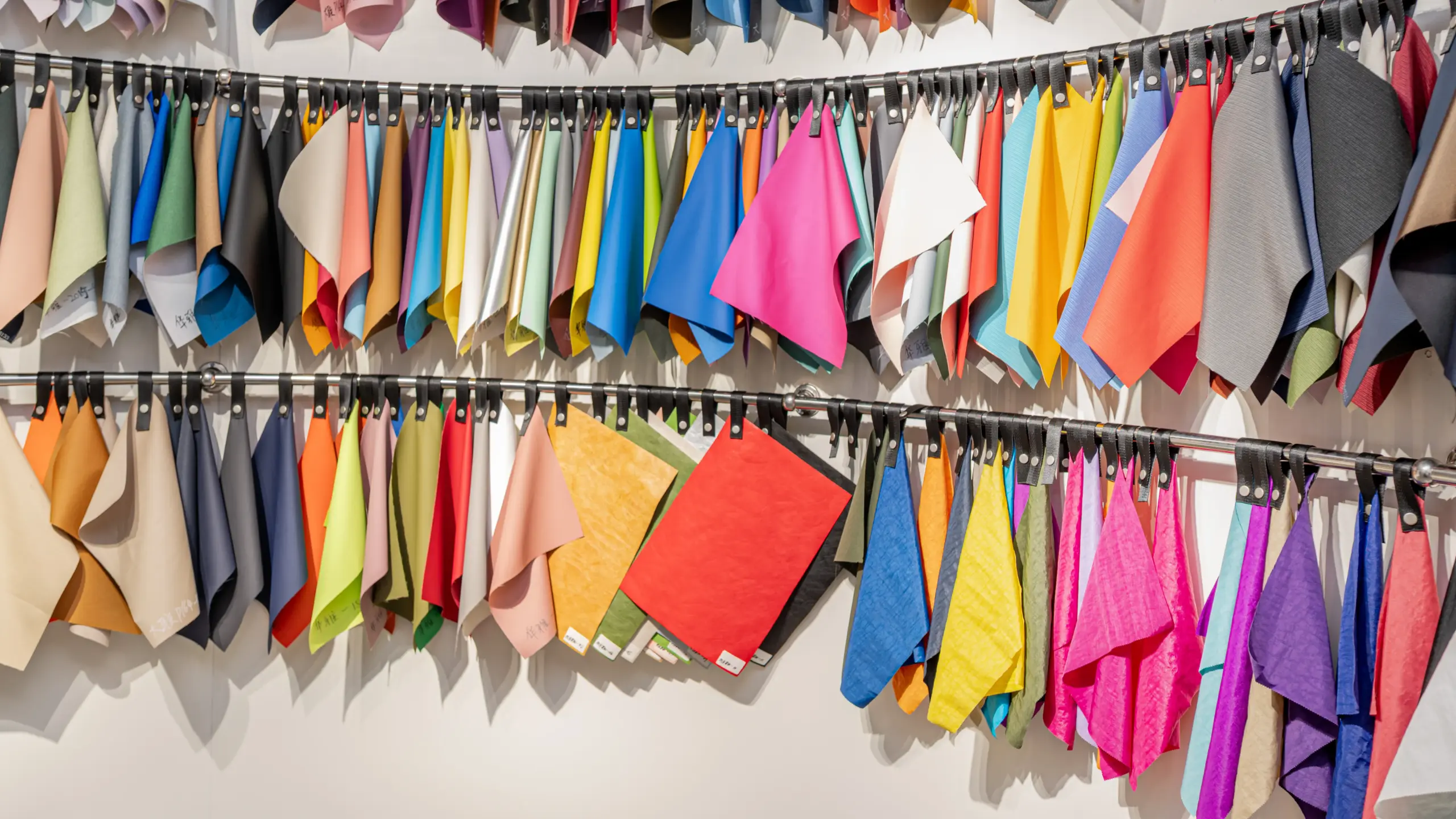
- Source known-compliant materials. Lock the foam, dye, 코팅, plasticiser and plating to approved suppliers, because substitutions are the usual compliance break.
- Test at component and finished level. Run third-party lab tests on the actual materials and confirm on the pre-production sample.
- Put update duties in the contract. Regulations change; require the supplier to flag SVHC list updates and re-test when materials change.
The Documentation Pack to Request Before You Sell
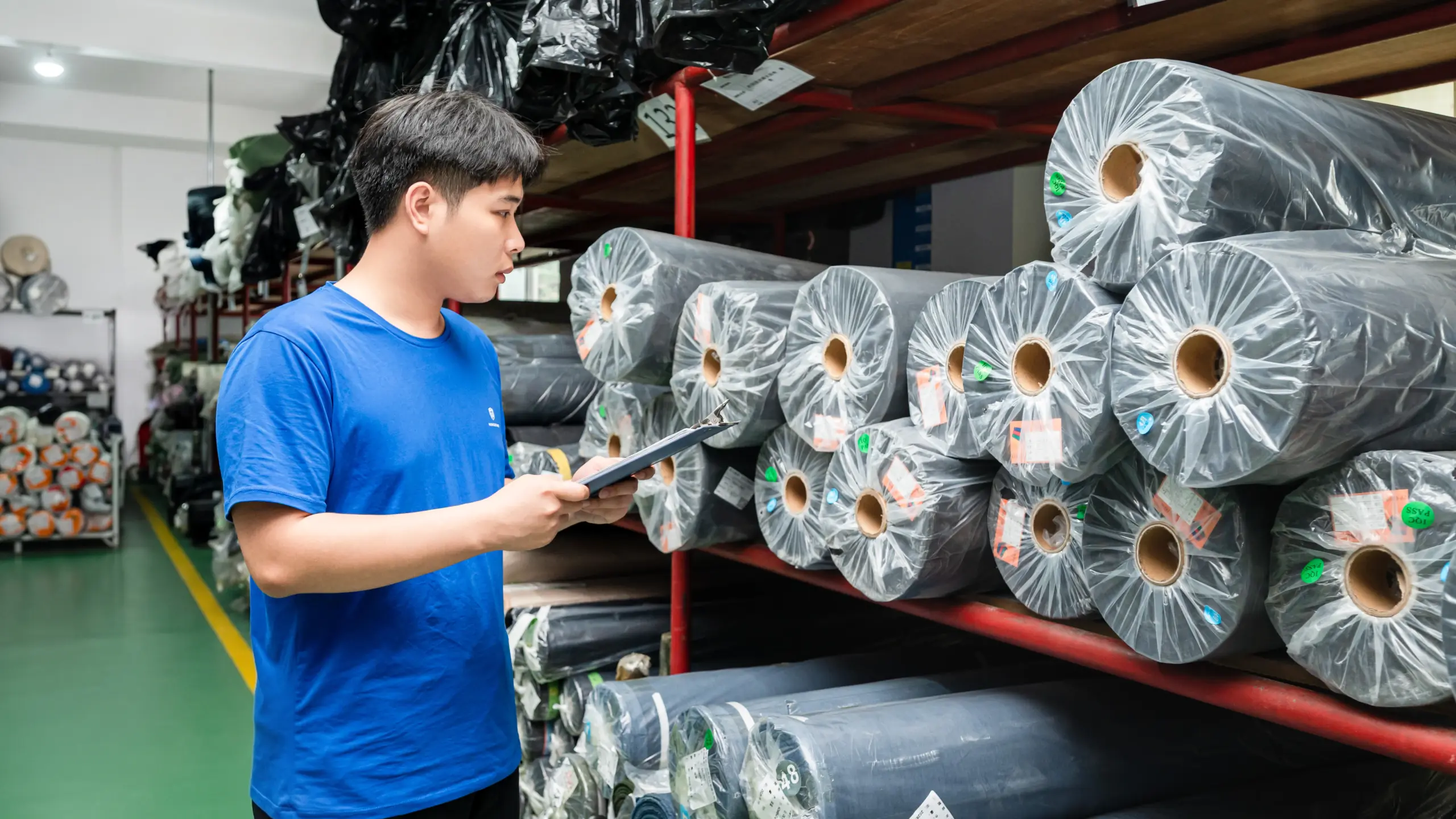
Ask for a per-product file, not a general assurance. The exact documents differ by market and product type, but a compliant pack usually includes:
- Material declarations and, where available, REACH SVHC screening against the current candidate list.
- Third-party test reports (예를 들어. SGS or equivalent) mapped to the specific standards and limits.
- RoHS and CE documentation for products with electronic components.
- For US children’s products: CPSC-accepted lab test results, a tracking-label plan, and a Children’s Product Certificate.
- A written supplier conformity statement naming the standards met and the tested configurations.
Kingsons holds RoHS, CE, FCC and SGS product testing and runs full-process quality control with in-house material and environmental testing. For a specific REACH SVHC declaration or a California Proposition 65 assessment against your exact product and current market thresholds, request the corresponding up-to-date test reports from the team and confirm their scope — regulation is moving, and the report date matters as much as the result.

Treat the pack as a living file rather than a one-time download. Re-request the SVHC screening and any substance test before each production year and whenever a material changes, and keep the dated reports with your purchase orders. If a market authority or a retailer’s compliance team ever asks, you can then evidence due diligence for the exact batch in question, not a general promise made years earlier.
자주 묻는 질문
What is REACH compliance for bags?
REACH is the EU chemicals regulation. For a finished bag, compliance centres on restrictions in articles and the SVHC candidate list: if a listed substance exceeds 0.1% by weight in an article, communication and, above volume thresholds, notification duties apply, and Annex XVII sets limits on substances such as certain azo dyes, nickel and phthalates. Because it acts at material level, REACH is managed through compliant fabrics, foams, coatings and hardware rather than a single end-product certificate.
Does CPSIA apply to handbags and backpacks?
CPSIA’s strict lead, phthalate, tracking-label and Children’s Product Certificate rules apply to children’s products, so school bags and kids’ backpacks marketed to children are in scope and must be tested by a CPSC-accepted lab. General adult bags are not children’s products, but must still be free of substantial hazards, and some states add their own requirements. Declare the product type to your manufacturer before production so the right rules are designed in.
Is Proposition 65 the same as CPSIA?
아니요. Proposition 65 is a California warning law, not a federal ban; if a product exposes consumers to listed chemicals above safe-harbour levels, a clear warning is required. It is separate from CPSIA and catches importers who assume federal compliance covers state rules. The defence is compliant materials plus current test data for components such as soft plastics, metal fittings and printed artwork.
What documents should I ask a bag manufacturer for?
Build a per-product pack: material declarations and REACH SVHC screening against the current list, third-party test reports mapped to named standards, RoHS and CE documents for electronic components, and for US children’s products a CPSC-accepted lab report, tracking-label plan and Children’s Product Certificate, plus a written supplier conformity statement. Check the report dates and scope, not just that a document exists.
Can I add compliance testing after production?
Retrofitting is the expensive path. If a finished run fails a substance test you cannot fix it by inspection; you must have specified compliant materials from the start. Design compliance into material selection and the tech pack, confirm it on the pre-production sample, and build supplier update duties into the contract so a changing SVHC list does not silently invalidate your goods.
Is Kingsons REACH and CPSIA compliant?
Kingsons carries RoHS, CE, FCC and SGS product testing and runs full-process quality control with in-house material testing, and works with established material suppliers. Compliance such as a REACH SVHC declaration or a California Proposition 65 assessment is product- and market-specific and must be verified against current thresholds, so request the corresponding up-to-date test reports for your exact configuration and confirm their scope before you sell.
Build compliant bags with a manufacturer that specifies materials, tests in-house and documents its process — then request the current REACH and CPSIA reports for your exact product and market.