“Sustainable” is not a material. It is a claim that has to be attached to one, with a number, a certificate and a test report behind it.
This guide maps the non-recycled side of the materials question — bio-based polymers, plant-derived coatings, organic and natural fibres — and explains what each one can and cannot carry in a bag program.
Conclusiones clave
- Bio-based, biodegradable and compostable are three unrelated properties. A material can be any one of them without being the others, and conflating them is where compliance problems start.
- Bio-based content percentage is measured by radiocarbon content, not by supplier assertion. Ask for the number and the test method.
- Natural fibres and bio-based coatings are the easiest credible gains in a bag line; bio-based structural polymers are still a specialty supply with real performance trade-offs.
- Organic cotton requires chain-of-custody certification (GOTS or OCS) to be claimable; conventional cotton with a green hangtag is not.
- Every material decision must survive the product’s actual use: a commuter backpack that fails in month four is not sustainable by any definition.
Four Words That Are Not Interchangeable
Before any specification, fix the vocabulary in your own brief. Most of the disputes we see between brands and factories are two parties using the same word for different things.
| Term | What It Describes | How It Is Evidenced | What It Does Not Mean |
|---|---|---|---|
| Bio-based | Share of the carbon in a material derived from biomass rather than fossil carbon | Radiocarbon (C-14) content testing against an agreed percentage; third-party bio-based certification schemes | Not recyclable, not compostable, not lower-carbon by necessity |
| Reciclado | Share of a material recovered from a waste stream | GRS or RCS scope certificates plus a Transaction Certificate per trade | Not bio-based — rPET is fossil carbon that has been used before |
| Biodegradable | Whether microorganisms break the material down under stated conditions | Standardised degradation tests; conditions and timescale must be stated | Not “disappears in a garden” and not a licence to litter |
| Compostable | Biodegradation within a defined timeframe in a defined facility type (industrial vs home) | Facility-specific certification and test standards | Industrial compostability is not home compostability; most PLA fails the latter |
For a buyer, the practical consequence: a single product can legitimately combine several of these. A backpack might use a bio-based coating, a recycled shell, an organic cotton lining and a virgin nylon webbing — with four different evidence files. Write the claim per layer and you can defend all four.
Bio-Based Polymers: What Exists for Bags
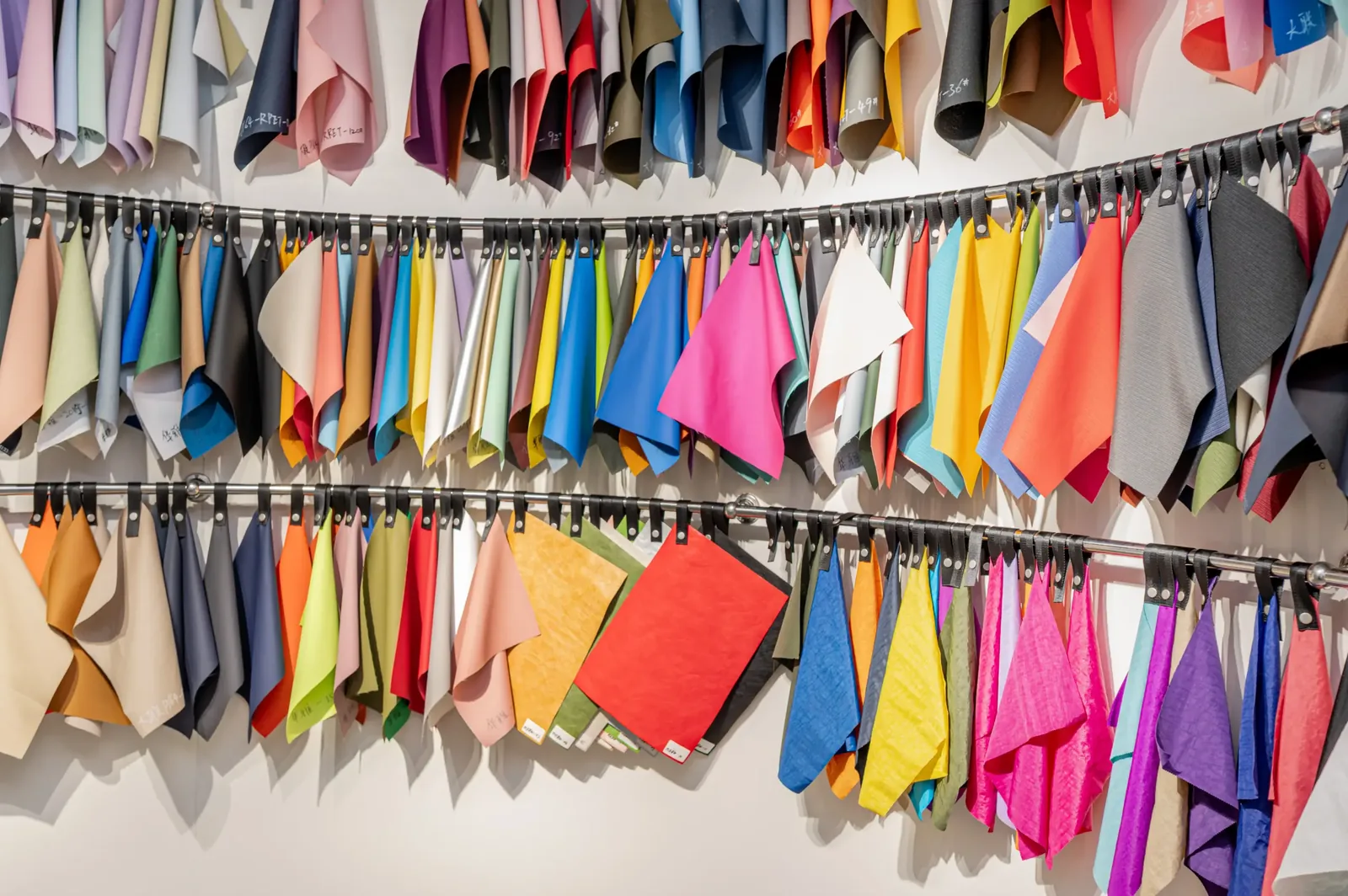
Bio-based polymers replace fossil carbon in the polymer chain with carbon from plants. For bags, four families are commercially relevant, and they are not equally ready.
- Bio-based polyamides (PA11, PA10.10). Derived largely from castor seed. Real performance in webbing, monofilament and coating applications; long the most credible bio-based structural polymer in bags and technical textiles. Supply is concentrated and pricing sits well above standard nylon.
- Bio-polyols in PU and TPU. Partial substitution of the fossil polyol in a polyurethane system. This is the most practical entry point: a coating or foam can carry a stated bio-based percentage while keeping the processing window a bag factory already knows.
- PLA and PLA blends. Bio-based and, under industrial conditions, compostable. In bags it is mostly a lining, film or fibre blend rather than a load-bearing shell — heat sensitivity and brittleness limit it in a car boot or on a warehouse loading dock.
- Bio-based PET (partial). Monoethylene glycol from plant feedstock can substitute part of the molecule, producing a partially bio-based PET that is chemically identical in performance. Available in limited supply, and it is not recycled content, which is a distinction buyers get wrong constantly.
Plant-Derived Fillers and Coatings
The second family trades polymer chemistry for filler loading: incorporate a plant-derived waste stream into a polymer matrix and you get a material with a genuine bio-based share, distinctive hand feel, and a story customers can picture.
Coffee-ground composites are the best-known example in accessories and hard parts. Rice husk, wood flour, cork and bamboo fillers appear in trims, panels and rigid components. In our material development work we evaluate these against the same criteria as any other input — abrasion, flex life, coating adhesion, colour consistency, and whether the filler content is high enough for the percentage claim you intend to print.
Two caveats worth stating plainly. First, a high filler load usually costs you in moisture management and flex life; a coffee-ground panel that passes a rub test may still fail a cold-flex test. Second, the binder is often fossil polymer, so a “made from coffee grounds” line on a hangtag is only as honest as the percentage next to it.

Natural Fibres: Lienzo, Organic Cotton, Hemp and Jute
Natural fibres are the oldest “sustainable materials” in bags, and the ones carrying the least mature evidence requirements. They are not automatically low-impact — cotton is water- and pesticide-intensive, and the finishing chemistry matters more than the fibre origin for both durability and compliance.
| Material | Where It Works in a Bag | Strengths | Limits to Specify Around |
|---|---|---|---|
| Conventional cotton canvas / duck | Totalizadores, casual backpacks, promotional lines | Inexpensive, prints well, familiar hand | Peso, shrinkage, mildew, low abrasion life when thin |
| Organic cotton canvas | Premium totes, lifestyle backpacks | Claimable with GOTS/OCS chain of custody | Requires certified supply; colour fastness depends on dye chemistry |
| Hemp and hemp blends | Outdoor and lifestyle lines | High tensile life, distinctive texture, low-input crop | Stiffer hand, limited colour brightness, supply is batchy |
| Jute and woven natural blends | Beach and shopping totes, seasonal retail | Cheap, open weave, reads instantly as “natural” | Sheds fibre, poor wet abrasion, unsuitable for technical claims |
If you specify organic cotton, the certification is the purchase. GOTS covers the processing chain with organic fibre plus environmental and social criteria; OCS covers organic content with chain of custody but not the chemical and social modules. Ask which one your retail customer’s compliance team accepts before you choose — the difference in audit burden is significant.
Leather Alternatives and Plant-Tanned Hide
Trim and accent materials carry disproportionate weight in a perceived-quality decision, and this is where the most marketing and the least standardisation collide.
- Plant-tanned or chrome-free leather — genuine hide tanned without chromium salts. Real durability, a clearer chemical file, and a tannery audit you must actually perform.
- Recycled-leather-fibre composites — bonded hide fibre with a polymer binder. Honest as a partial-recycled claim; check the binder share before printing anything about “leather”.
- Plant-matter “leathers” (cactus, apple, grape) — in most commercial grades these are polymer composites with a plant filler, typically PU or a bio-polyol binder on a textile carrier. They can be excellent materials. They are not leather, and in several jurisdictions calling them leather is a labelling problem.
- Conventional and recycled PU — the pragmatic option: coherente, comprobable, no animal-welfare question, and available with recycled or bio-based content in the binder system.
Request the composition by weight, the binder chemistry, and a flex-fatigue plus rub-fastness result. A finish that passes at room temperature can still crack at cold-weather flex, which is exactly what happens to a trim piece in a European winter.

Performance Reality: What a Bio-Based Bag Must Still Pass
None of the sustainability credentials below exempt a material from the tests a bag has to survive. Our inspection and test regime treats them identically to conventional inputs:
- Abrasion and rub fastness — the martindale-style cycle test and a dry/wet rub on printed and coated surfaces.
- Flex life and cold behaviour — coating crack resistance at low temperature, particularly for PU systems with high bio or filler content.
- Hydrolysis and moisture uptake — the weak point for some bio-polyol PU and most natural fibres; a humid shipping container for six weeks is a legitimate stress test.
- Tensile and tear strength — especially for hemp and blended canvas, where the yarn count varies more than in polyester.
- Water resistance — specified as a hydrostatic head in mm and measured, not inferred from a “natural water-repellent” description.
- Dimensional stability — cotton canvas shrinks; a pre-shrinking step or a stated tolerance belongs in the spec sheet.
Our incoming, in-process and final controls cover these on the same 5S-managed lines used for conventional programs, with the material test instruments in-house. The wider testing framework is described in our quality control and testing guide.
Certifications for the Bio-Based and Natural Story
Assemble the file by claim type rather than collecting logos:
- Bio-based content: a C-14-based test result plus, where the buyer requires it, certification under a recognised bio-based scheme (DIN-Geprüft bio-based and OK biobased are the two European labels procurement teams ask for by name).
- Organic content: GOTS (content plus processing criteria) or OCS (content and chain of custody).
- Contenido reciclado: GRS or RCS with scope certificates and a per-order Transaction Certificate — see our recycled backpack manufacturing guide.
- Chemical safety: restricted-substance testing against REACH and target-market requirements; OEKO-TEX STANDARD 100 on the finished textile where a retailer asks for it.
- Site management: ISO 14001 para la gestión ambiental, ISO 45001 for occupational safety, BSCI or SEDEX for social audit. On our own facility these are held alongside GRS, with ISO 9001 governing the quality system.
- Claims substantiation: Regulation (UE) 2024/1781 sets the bar for environmental claims on products sold in the EU. Any wording that goes on a hangtag should trace to one of the bullets above.
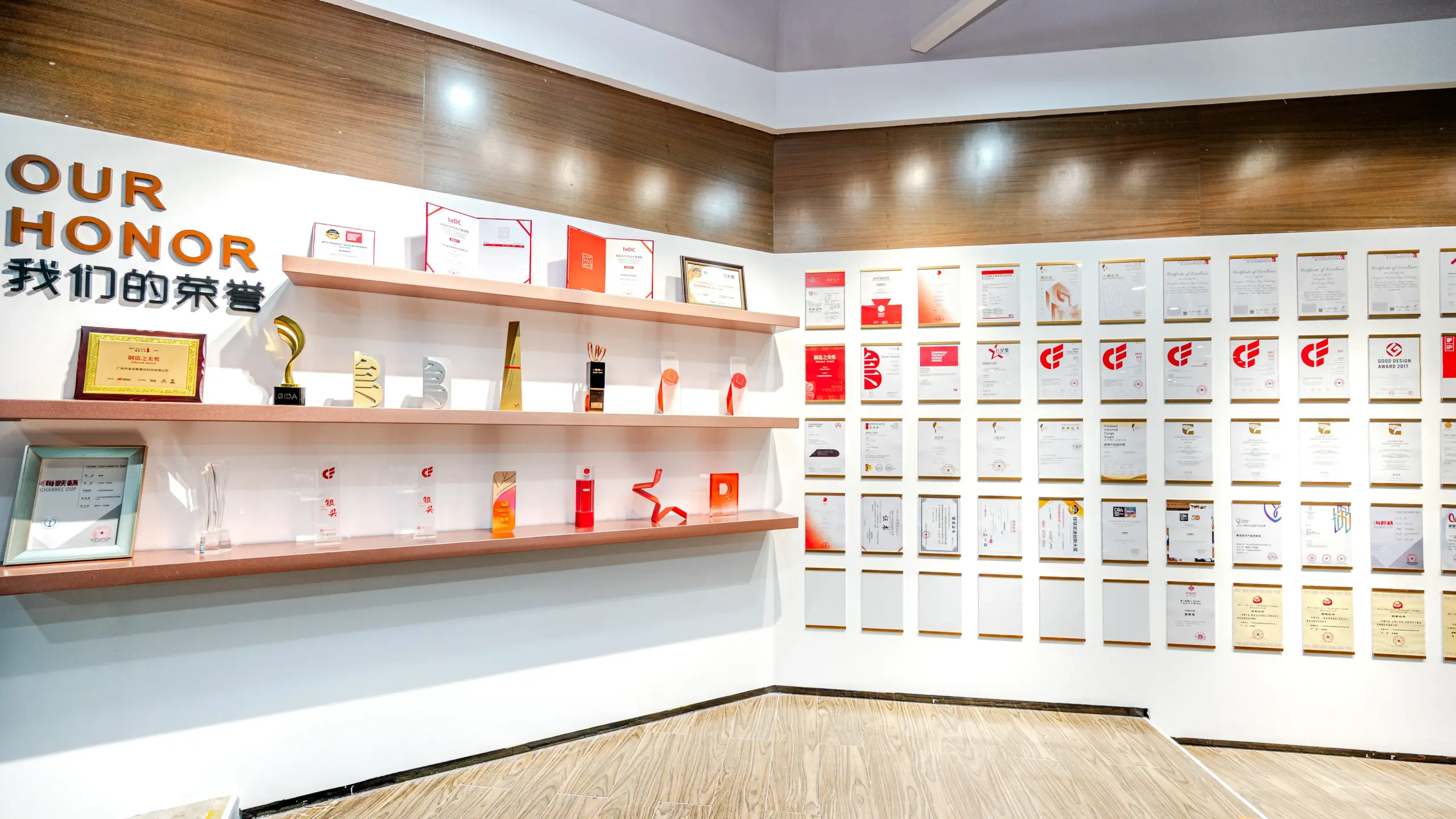
Kingsons’ development team evaluates candidate materials against this documentation set before a quotation is issued — a material with no test data and no certificate path is a sampling risk, not a cost saving.
Cost and Supply: What to Budget
- Bio-based coatings and foams — a low-to-moderate premium over conventional PU, and the least disruptive to tooling and lead time. Usually the first change worth making.
- Bio-based polyamides — a substantial premium with concentrated supply; realistic for a limited premium SKU rather than a volume line.
- PLA blends — moderate premium, real performance limits, and a lead time that depends on the compounder’s booking cycle.
- Organic cotton canvas — a clear premium over conventional canvas, driven by certified ginning and dyeing capacity rather than the fibre alone.
- Hemp blends — comparable to or above organic cotton depending on weave, with heavier batch variation.
- Plant-filler composites — cost depends on filler loading and binder; verify whether you are paying for performance or for percentage.
On our standard custom terms, MOQ is 500 pieces per style per colour, with 200–300 piece trial orders negotiable at adjusted pricing and flexible small-batch production from 50 pieces on stock configurations. Sampling takes 7–10 working days and production 30–45 working days. Alternative materials usually extend the sampling stage rather than the production stage, because the extra work is testing and approval, not sewing.
How to Specify an Alternative Material Without a Regret Cycle
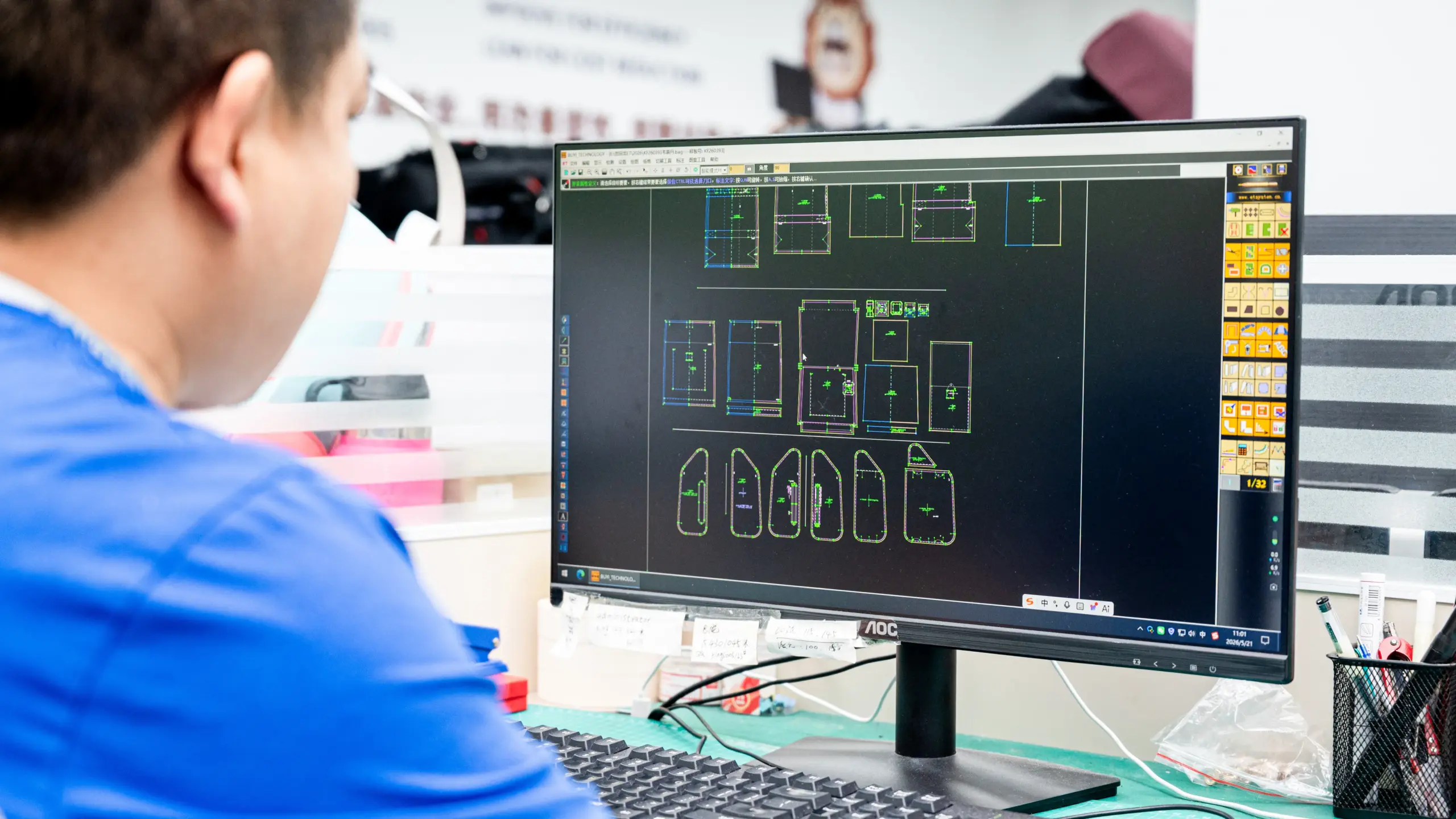
The sequence below takes a program from a material idea to an approved PP sample with evidence, and it is what our development team runs internally.
- Write the claim first. One sentence of intended marketing wording, and the layer it applies to. It becomes the test of sufficiency for everything after.
- Shortlist two or three candidates per layer with stated bio-based or recycled percentage, weight, and finishing chemistry.
- Require data with the swatch: tensile and tear, abrasion cycles, rub fastness, hydrostatic head where relevant, flex and cold-crack results, and the C-14 or content certificate.
- Test in the product, not the coupon. A coating on a 10 cm square tells you little about a flexing shoulder strap.
- Book the certified lot for the full program at contract stage, including spares, and record the lot numbers.
- Fix decoration method on the approved base material — embroidery, impresión de pantalla, transfer and embossing behave differently on natural and filled substrates.
- Freeze the claim wording against the final bill of materials and file the evidence pack with the approved sample.
Buyers who start with a fabric name and end with a claim get the order backwards, and it shows up as a re-cycle of sampling around month three. The commercial framing is covered in our bag manufacturing cost breakdown.
Common Failure Modes
- Claim drift between layers. A recycled shell plus virgin everything else, sold as “sustainable backpack”. Fix: claim per layer, totalled by weight.
- Biodegradability asserted on a blended product. A bag with a compostable lining is not compostable. Fix: never extend a component property to the assembly.
- Home-compost wording on industrial-compost material. The single most complained-about label error in the category.
- “Leather” applied to a plant-filler composite. A labelling risk in multiple markets.
- Organic claim without chain of custody. Requires GOTS or OCS paperwork at your supplier and above it.
- Performance mismatch with the use case. PLA-lined bags in hot freight, jute totes with a waterproof claim, natural canvas in a technical commuter line. Fix: choose the material against the failure mode your returns data already shows.
Choosing a Material Set for Your Line
A practical starting point by product type, assuming retail-grade durability is non-negotiable:
- Commuter and business backpacks: recycled polyester or nylon shell, bio-polyol PU coating or foam, recycled lining, virgin webbing and hardware. Defensible percentage, unchanged performance.
- Lifestyle and tote lines: organic cotton canvas or hemp blend with GOTS or OCS paperwork, water-based screen print, plant-filler trim only on low-stress panels.
- Promotional and gift programs: the recycled content route is nearly always cheaper and easier to evidence than bio-based; save natural fibres for higher price points.
- Premium and limited editions: where a bio-based polyamide or plant-filler composite can carry a price premium and a short lead time is acceptable.
If a program mixes several of these, our design and development team can build the bill of materials and the matching evidence file in one pass rather than one layer at a time — the same approach we use across the sustainability program, and one of the reasons choosing the right manufacturer early changes the cost of every later decision, as set out in our guide to choosing a manufacturer.
Material Decision Matrix
| Claim You Want to Make | Most Defensible Route | Evidence Required at Shipment |
|---|---|---|
| “Made with recycled materials” | RPET shell and lining | GRS scope certificates plus a Transaction Certificate |
| “Partly plant-based” | Bio-polyol PU coating or foam, C-14 tested | Bio-based percentage test report and supplier declaration |
| “Organic cotton” | GOTS or OCS certified canvas | Chain-of-custody certificate covering every processing stage |
| “Plastic-free packaging” | Paper and board with certified fibre content | FSC or PEFC certificate plus printed material spec |
| “Compostable” | A single component only, in a stated facility type | Facility-specific test certification; never applied to a mixed assembly |
Preguntas frecuentes
What is the difference between bio-based and recycled material?
Origin of carbon. Bio-based means the carbon came from plants; recycled means the material came from a waste stream. rPET is recycled but not bio-based, because bottles are made from fossil-derived PET. Partially bio-based PET is bio-based but not recycled. A material can be both, neither, or one — and your certification file differs for each, so specify the layer and the percentage rather than the adjective.
Are bio-based bags durable enough for daily use?
Bio-based coatings, foams and partial substitutions can be, and are specified on retail products today, provided they pass the same abrasion, flex, hydrolysis and rub-fastness tests as conventional materials. Load-bearing bio-based structural polymers are a narrower proposition — higher cost, concentrated supply, and behaviour that must be verified for your construction. A daily commuter shell should still be specified on denier and weave first.
Is organic cotton actually better for a bag program?
For totes, casual and lifestyle lines with a natural hand as part of the positioning, yes — with two conditions. The claim is only available with GOTS or OCS chain-of-custody paperwork through your supply chain, and canvas durability depends on yarn count and finishing as much as fibre origin, so a thin organic canvas can still fail an abrasion requirement that a heavy conventional duck passes.
Can a bag with a compostable lining be sold as compostable?
No. A component property does not transfer to the assembly, and a mixed-material backpack is not compostable in any facility. If you want the claim, it applies to a specific part — say, a removable liner — and even then industrial compostability is not home compostability, so the wording must state the condition. Under EU Regulation 2024/1781 that kind of precision is a compliance matter rather than a stylistic preference.
How much do bio-based materials increase MOQ or cost?
Coating and foam substitutions usually add a modest premium and no MOQ change. Bio-based polyamides and specialty compounds can carry mill minimums well above our standard 500 pieces per style per colour — although trial orders of 200–300 pieces are negotiable at adjusted pricing, and stock configurations support small-batch runs from 50 piezas. Timing is where the real change sits: allow extra days at the sampling stage for material testing and approval before production starts its 30–45 working day window.
Which sustainable material should a first program start with?
Recycled polyester across shell and lining, with a bio-polyol coating if the price point supports it. That combination gives a defensible percentage, an established certificate path, and no change to patterns, tooling or sewing parameters. Move to natural fibres or bio-based structural polymers on a second line, once you have the evidence workflow running. Nuestro custom bag materials guide covers how each option interacts with the rest of the specification.
Build a materials spec that supports the claim and survives the product’s working life.